

What London Caregivers Notice That Families Often Miss
What if the deep love you feel for your parent is the very thing masking the quiet shifts in their health? It’s a common experience for families in London. You see the person they have always been; a professional sees the person they are today. This familiarity gap often leads to the question: what does a caregiver notice that family members may miss? We understand the guilt that comes with realizing a decline happened right under your roof. It isn’t your fault. Your heart naturally seeks to protect the peace of home as a sanctuary.
After eight years of providing private care, we know that small details tell the most important stories. You will discover the subtle red flags, from a change in the rhythm of their walk to sensory clues in their kitchen. We provide a clear checklist to validate your concerns and a gentle plan to transition toward support before a crisis occurs.
Key Takeaways
- Learn how emotional proximity creates a “familiarity gap” that can unintentionally mask the slow, subtle changes in a parent’s daily health.
- Identify the quiet environmental red flags, like expired food or uncollected mail, that signal a shift in a senior’s ability to manage their home.
- Gain clarity on exactly what does a caregiver notice that family members may miss, including subtle changes in personal grooming or mobility that professional eyes catch early.
- Discover a practical path to transition from noticing these signs to implementing a compassionate care plan that protects your loved one’s dignity and safety.
The Familiarity Gap: Why Families Often Overlook Subtle Changes
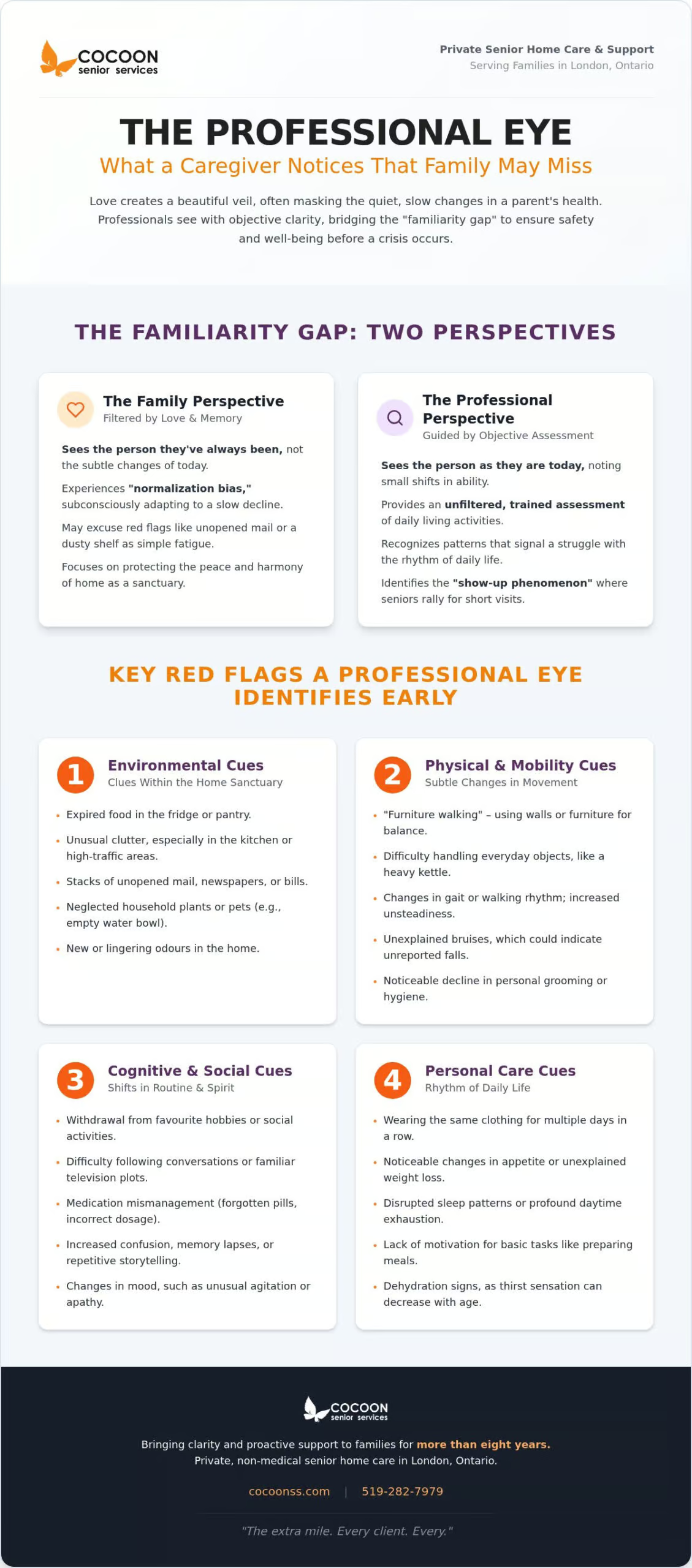
Love creates a beautiful, yet thick, veil. When you visit your parents here in London, you often see the hands that once held yours, rather than the slight tremor that has developed over the seasons. This is normalization bias. It’s a quiet, internal process where your mind subconsciously adapts to a loved one’s slow decline. It protects you from the immediate pain of change. You might excuse a dusty shelf or a stack of unopened mail as simple fatigue. The familiarity gap is a psychological barrier to recognizing senior vulnerability.
An objective professional assessment removes this emotional filter. While a daughter sees her mother as she has always been, a trained eye sees a shift in the way she navigates the kitchen or handles a heavy kettle. So, what does a caregiver notice that family members may miss? Often, it’s the “show-up” phenomenon. Seniors frequently rally for short weekend visits. They summon every ounce of energy to appear vibrant and capable. They hide the profound exhaustion that settles in once the front door closes and the house falls silent again.
The Psychology of Normalization in Home Care
We often hear families describe common signs of aging as inevitable, yet many of these shifts are manageable signals. By labelling memory lapses or a lack of appetite as “just getting older,” we unintentionally delay the support that ensures safety. Recognizing these signs your parent in London needs in-home care is the first step toward reclaiming a sense of sanctuary. Our eight years of experience allows us to see these patterns with clarity, providing a bridge between your love and their changing needs.
Key Red Flags a Professional Eye Identifies Early
Professional caregivers look beyond the obvious medical vitals. While clinical scores have their place, the heart of home care lies in noticing the quiet shifts in a person’s sanctuary. You might ask, what does a caregiver notice that family members may miss? Often, it’s the “nose-blindness” to a new, lingering odour or the sight of a beloved parent wearing the same cardigan three days in a row. These aren’t just quirks; they are warning signs of health problems that signal a struggle with the rhythm of daily life.
In the living room, we watch for the “furniture walk.” This is the subtle habit of touching chair backs or doorframes for balance while moving through the house. It often precedes a fall, yet it’s easily missed during the joy of a family visit. Similarly, a sudden withdrawal from a favourite hobby or confusion over a familiar television plot suggests cognitive fatigue. We look for these micro-shifts:
- Environmental cues: Expired milk in the fridge, stacks of unopened mail, or a kitchen that feels unusually cluttered.
- Social cues: A quiet retreat from conversations or difficulty following a story.
Physical and Environmental Indicators of Decline
The kitchen and the mudroom often hold the most honest clues. We pay close attention to medication management, looking for pills that were forgotten or taken out of sequence. Even the family pet provides insight. A neglected water bowl or a dog that seems restless because walks were missed can be a profound indicator that a senior is feeling overwhelmed. Professional caregivers in London, Ontario, use a routine-based assessment to spot these micro-shifts. If you feel uneasy about these small changes, our private home care support can help bring clarity to your family’s situation.
Bridging the Gap with Professional Support in London, Ontario
Recognizing that your loved one needs help is a moment of profound vulnerability. It’s often accompanied by a heavy sense of guilt. It shouldn’t be. Choosing to bring in professional support isn’t about stepping back; it’s about surrounding your family with a safety net of expertise. At Cocoon Senior Services, we have spent over eight years acting as the “eyes and ears” for families across London, Ontario. We provide the objective clarity that emotional proximity sometimes obscures. Our presence allows you to return to being a daughter, a son, or a spouse again.
When families ask, what does a caregiver notice that family members may miss? they are often seeking the reassurance that a professional can distinguish between natural aging and more serious end-of-life symptoms or cognitive shifts. Our role is to identify these patterns early. This allows us to implement a compassionate care plan that preserves independence rather than taking it away. By understanding the local healthcare landscape and community resources in London, we help you navigate a path toward peace of mind before a crisis forces a sudden decision.
The Cocoon Approach to Proactive Care
Our observational framework is woven into every service we provide, from specialized dementia care to post-surgery support. We don’t just perform tasks; we monitor the subtle changes in spirit and health that define overall wellness. If you’ve wondered what does a caregiver notice that family members may miss, booking a free care consultation is a gentle way to gain an objective professional opinion. You can reach us at 519-282-7979 or visit cocoonss.com to start the conversation.
The extra mile. Every client. Every.
Choosing Clarity and Peace for Your Family
Recognizing the need for help is a profound act of love; it’s not a sign of failure. We’ve seen how emotional proximity can gently cloud the reality of a parent’s decline. By understanding the familiarity gap and watching for quiet red flags in the home, you take the first step toward safety. What does a caregiver notice that family members may miss? It’s often the subtle shift in a routine or a flicker of confusion that professional eyes catch early. With over eight years of service in London and St. Thomas, we offer specialized dementia care and tailored support. Don’t wait for a crisis to happen. Contact Cocoon Senior Services today or call 519-282-7979 for a compassionate care assessment in London, Ontario. Let’s restore the sanctuary of your home together.
The extra mile. Every client. Every.
Frequently Asked Questions
Why do I miss signs that my parent is struggling at home?
It is common to overlook shifts because you see your parent through a lens of history and deep affection. This emotional bond often leads to subconsciously excusing changes as “just getting older.” In London, many seniors also manage to “show up” for short visits, summoning the energy to appear capable while hiding the daily struggles they face when they are alone.
What are the first signs of cognitive decline a professional caregiver sees?
We look for micro-shifts in behaviour that signal cognitive fatigue. So, what does a caregiver notice that family members may miss? It might be the way a parent begins to repeat the same question or loses their place while preparing a familiar recipe. We also watch for a person wearing the same clothes repeatedly or neglecting a pet bowl, which are often quiet signals of decline.
How can a professional caregiver help with medication safety in London, ON?
We provide non-medical medication reminders to help your loved one maintain their health routine safely. Our team monitors pillboxes for missed doses and helps coordinate transportation to pharmacy appointments in London, ON. By observing your parent daily, we can also spot physical changes or confusion that may be related to their medication, allowing for proactive communication with their healthcare team before a crisis occurs.
Is it normal to feel guilty for not noticing my loved one’s decline?
Yes, this feeling is a natural part of the caregiving journey, but it’s important to realize that you are not failing. You are a family member, and your role is to provide love, not clinical observation. We have spent over eight years helping families in London and St. Thomas transition from guilt to peace of mind by acting as a professional partner in care.
The extra mile. Every client. Every.
Disclaimer
We aim to provide helpful guidance for seniors and families, but this content should not replace professional medical advice. Some links may be affiliate links, and we are not responsible for third-party content.