

Grief and Relief: Navigating Complex Emotions for Caregivers in London and Surrounding Areas
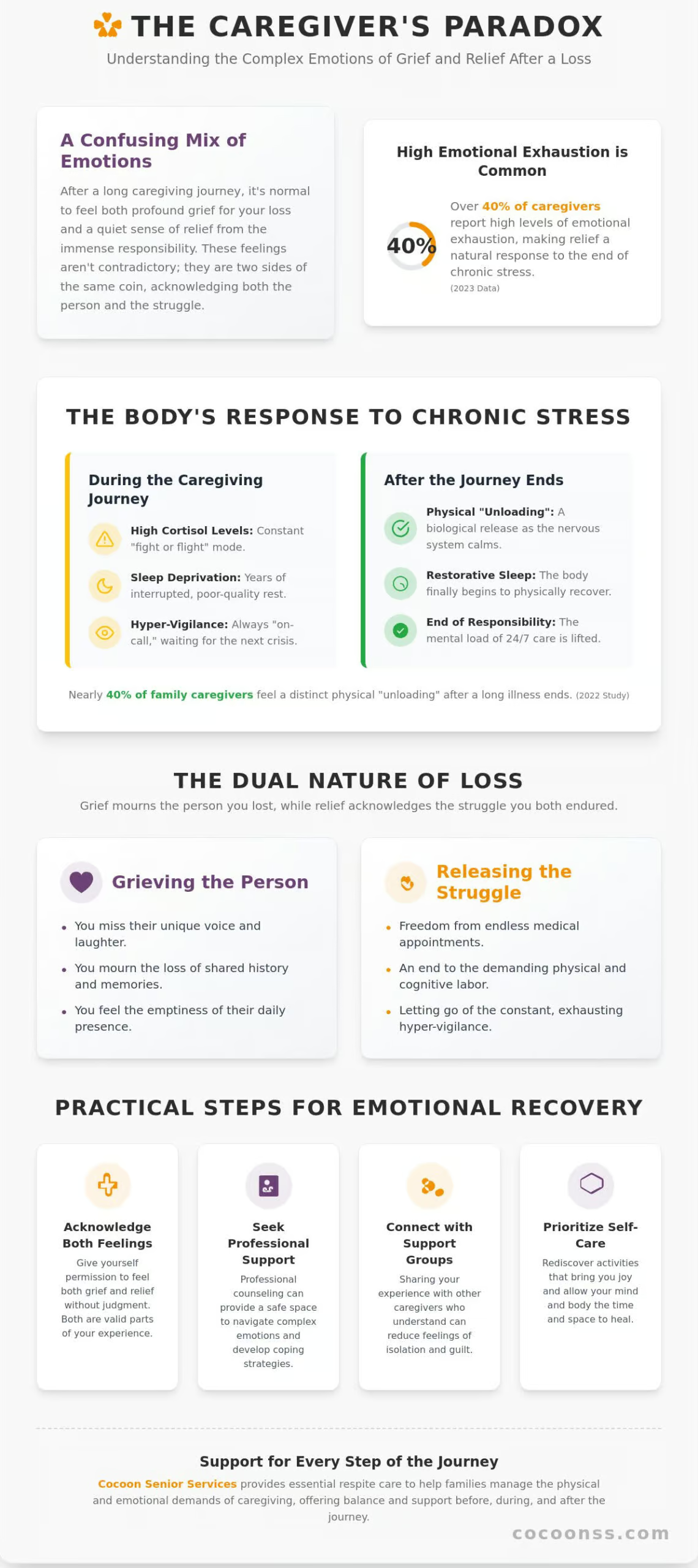
For many families in London and surrounding areas, the end of a long caregiving journey brings a confusing mix of emotions that few talk about openly. You’ve spent months or even years pouring every ounce of energy into another person’s well-being. It’s completely natural to feel a profound sense of grief and relief when that journey concludes. You aren’t alone in this. Data from 2023 indicates that over 40% of caregivers experience high levels of emotional exhaustion, making a sense of release a common biological response to the end of chronic stress.
At Cocoon, we understand that your heart can be heavy with loss while your body finally feels light enough to breathe. This article will help you understand why these conflicting feelings exist and provide practical steps to process them without the crushing weight of guilt. We’ll explore the dual nature of loss and highlight local resources available in London and surrounding areas to support your healing journey. By the end, you’ll see that your relief is simply a testament to the depth of the care you provided and a necessary step toward your own recovery.
Key Takeaways
-
Discover why experiencing a sense of peace alongside loss is a normal, healthy response to the conclusion of a demanding caregiving journey.
-
Learn to navigate the complex emotions of Grief and relief by understanding how the end of chronic exhaustion affects your emotional recovery.
-
Reframe your feelings of relief as a sign of deep compassion for your loved one’s transition rather than a reflection of your level of care.
-
Identify actionable steps for healing, including how to access professional counseling and specialized support groups within London and surrounding areas.
-
Explore how Cocoon Senior Services provides essential respite care to help families manage physical demands and maintain emotional balance.
Table of Contents
-
Moving Beyond Guilt: Reframing Relief as a Sign of Compassion
-
How Cocoon Senior Services Supports Families Through the Care Journey
Understanding the Paradox of Grief and Relief in Caregiving
Caregiving is a marathon that often ends at a confusing emotional crossroads. You might feel the heavy weight of sorrow while simultaneously experiencing a strange, light sense of freedom. This intersection of grief and relief isn’t a sign of a lack of love; it’s a standard human response to the conclusion of a high-stakes, long-term responsibility. Many families in London and surrounding areas find themselves caught in this tug-of-war, wondering why they don’t feel "sad enough" or why a sense of peace keeps bubbling to the surface.
These two seemingly opposite emotions coexist because they address different parts of the caregiving journey. Relief isn’t a cold or heartless reaction. It’s a biological necessity. After years of sustained high cortisol levels and sleep deprivation, your body finally recognizes that the immediate crisis has passed. A 2022 study on caregiver health indicated that nearly 40% of family members feel a distinct physical "unloading" after a long illness ends. This is simply your nervous system switching off a decade of chronic stress.
Society often attaches a heavy stigma to the word "relief" in the context of loss. There’s an unspoken expectation that grief should be a singular, devastating note. However, acknowledging the end of a difficult chapter doesn’t diminish the love you held for the person. It acknowledges the toll the journey took on your own well-being.
The Dual Nature of Loss
Grief mourns the person you lost, while relief mourns the struggle you both endured. For families, this process often starts long before the final goodbye. Anticipatory grief happens when you begin mourning the person they used to be while they’re still physically present, which can make the eventual passing feel like a second wave of loss. Caregiver relief is a release from the physical and emotional demands of 24/7 care.
-
The Person: You miss their voice, their history, and their presence in your daily life.
-
The Struggle: You feel let go from the endless medical appointments, the lifting, and the constant hyper-vigilance.
-
The Balance: Holding both truths allows for a more honest and sustainable healing process.
Why We Feel Guilty About Feeling Good
Social pressure often forces people to perform a "pure" version of grief that doesn’t include complexity. When you feel a sense of peace or find yourself enjoying a full night of sleep for the first time in years, a "bad person" narrative can take root. You aren’t a villain for wanting to breathe again; you’re a human who has completed an exhausting task. Cocoon Senior Services encourages you to follow Cocoon on Facebook for community support and to connect with others who understand these complex layers of the caregiving experience.
Why Caregivers in London Often Feel Relief After a Loss
Many caregivers find themselves standing in a quiet space between two heavy emotions. It’s a reality that people rarely discuss at the dinner table. You love your family member deeply, yet you feel a strange, weightless sensation when their journey ends. This is the complex intersection of grief and relief. It doesn’t mean you’re cold or uncaring. It means your body and mind are finally reacting to the end of a long, arduous marathon.
For years, you might’ve lived in a state of constant hyper-vigilance. Every phone call at 3:00 AM caused a spike in cortisol. Every siren heard near their home made your heart race. This "waiting for the other shoe to drop" creates a type of chronic anxiety that rewires your nervous system. When the loss occurs, that specific biological tension finally breaks. The "on-call" lifestyle, defined by chronic sleep deprivation and the inability to plan a single day for yourself, concludes. It’s a natural response to feel a sense of peace when the crushing weight of responsibility is lifted.
The Exhaustion of Long-Term Care
Providing personal care in a private home is a grueling physical task. In London and surrounding areas, family caregivers often manage the mental load of six or seven different medication reminders while coordinating specialist appointments at Victoria Hospital or St. Joseph’s. You aren’t just a daughter or a spouse; you’ve become a nurse and a project manager. If you’ve been managing dementia, you’ve likely spent 12 to 14 hours a day redirecting repetitive questions. That physical and cognitive labor takes a toll that only ends when the caregiving role does.
The Relief of "The End of Suffering"
Relief often stems from pure empathy. Seeing a loved one struggle to breathe or lose the ability to recognize their own home is heartbreaking. You don’t want the person to be gone, but you desperately want the tremors, the confusion, or the pain to stop. It’s a selfless wish for them to be at peace. Cocoon understands that this transition is heavy for everyone involved. Professional senior home care services can help ease this burden earlier in the process, allowing families to focus on being present rather than being exhausted. When the end comes, the relief you feel is often a reflection of the mercy you wished for them.
Acknowledging these feelings is a vital part of your own recovery. If you’re currently feeling overwhelmed by the demands of caregiving, Cocoon Senior Services can provide the practical support you need to find your balance again.
Moving Beyond Guilt: Reframing Relief as a Sign of Compassion
Guilt often acts as a heavy shadow to loss. When we experience the dual nature of grief and relief, the mind frequently punishes us for the latter. It’s a complex weight to carry; however, feeling relieved doesn’t mean you loved the person any less. In reality, it’s an honest acknowledgement of how difficult the caregiving journey truly was. You aren’t celebrating a loss; you’re acknowledging the end of a period of intense, sustained hardship for both yourself and your loved one.
Compassion fatigue is a documented reality for many families in London and surrounding areas. According to data from Statistics Canada in 2022, nearly 45 percent of caregivers for seniors reported high levels of distress and emotional exhaustion. This fatigue isn’t a character flaw. It’s the natural result of giving everything you have to another person. When the caregiving ends, the sudden absence of that 24/7 pressure creates a vacuum. Relief is simply your nervous system finally exhaling after months or years of being in a state of high alert. It’s actually a testament to how hard you worked; you gave so much of yourself that your body and mind are finally recognizing the chance to rest.
The Myth of the Perfect Griever
Many people believe grief follows a tidy, linear path. This is a myth. While the 5 stages of grief provide a framework, the actual experience is messy and unpredictable. Your emotions don’t have to match a textbook definition to be valid. You might feel relief on Monday and deep sorrow on Tuesday. This fluctuation is normal and healthy. It’s okay to feel okay for a moment. For daily reminders on how to practice self-compassion and find peace during these transitions, you can follow Cocoon’s Instagram.
Reframing Your Narrative
The language you use to describe your feelings can change your entire perspective. Shift your internal dialogue from "I am relieved they are gone" to "I am relieved the struggle is over." This subtle change acknowledges that the pain, the medical appointments, and the physical decline have finally ceased. It honors the peace your loved one has found.
Try a practical exercise: write a letter of self-forgiveness. In this letter, list the specific tasks you handled, from managing medications to providing emotional support. Acknowledge that the care you provided across London and surrounding areas was a profound act of love. Cocoon Senior Services recognizes that your dedication was absolute. By writing it down, you externalize the guilt and make room for healing. Relief isn’t the opposite of love; it’s the natural conclusion to a long, difficult labor of care.
Practical Steps for Emotional Recovery and Self-Care
Navigating the transition from active caregiving requires a gentle, structured approach. This period often involves a confusing blend of grief and relief, where the pain of loss meets the physical release of no longer being on call 24 hours a day. Naming these feelings is the first step toward healing. It’s vital to acknowledge the relief without judgment. This response doesn’t diminish your love; it simply confirms the immense weight you carried. A 2023 study on caregiver health found that 60% of family caregivers experience significant physical exhaustion, making a sense of relief a physiological necessity once the pressure subsides.
Prioritize your basic physical needs to rebuild your resilience. Chronic stress depletes your body’s resources, so focus on these three pillars:
-
Restorative Sleep: Aim for 7 to 9 hours of sleep. Your brain needs this time to process complex emotions.
-
Consistent Hydration: Drink 2 litres of water daily to combat the fatigue often associated with emotional trauma.
-
Targeted Nutrition: Eat regular, nutrient-dense meals to stabilize your blood sugar and mood.
Give yourself permission to enjoy small moments of peace. Whether it’s a quiet morning coffee or a walk in a local park, these instances aren’t betrayals of the person you lost. They’re essential components of your recovery. Slowly reintegrate lifestyle activities you sacrificed, like hobbies or social gatherings, at a pace that feels right for you.
Finding Local Support in London
You don’t have to process these changes alone. London and surrounding areas offer robust bereavement resources tailored to former caregivers. Organizations like St. Joseph’s Health Care London provide pathways to counseling that address the specific intersection of grief and relief. Speaking with others who were primary caregivers provides a unique validation that friends or family may not fully grasp. For visual guidance on managing the stress that follows long-term caregiving, check out Cocoon’s YouTube channel for practical insights.
Restoring Your Own Well-Being
The "empty" time after caregiving ends can feel jarring. When your schedule is no longer dictated by medication cycles or appointments, the silence feels heavy. Establishing a firm daily routine during the first 180 days of loss provides the structural support your brain needs to navigate this void. Engaging in senior wellness programs in London can help you refocus on your own health and vitality. These programs offer a way to socialize with peers while rebuilding your physical strength. It’s time to invest back into yourself with the same dedication you gave to others.
If you’re looking for guidance on transitioning into this new chapter of life, connect with Cocoon Senior Services to explore resources designed for your well-being.
How Cocoon Senior Services Supports Families Through the Care Journey
Families in London and surrounding areas often reach a point where the physical demands of caregiving begin to overshadow the emotional bond they share with their loved ones. Cocoon Senior Services steps into this space to provide specialized support that prioritizes both the senior’s dignity and the family’s well-being. It is common for caregivers to experience a confusing mix of grief and relief when they finally seek professional help. This transition isn’t a sign of giving up; it is a strategic choice to ensure that the final chapters of a loved one’s life are defined by connection rather than chores.
Respite care plays a critical role in preventing the extreme exhaustion that frequently leads to caregiver burnout. When a family member is pushed to their physical limit, they often struggle with feelings of inadequacy. Cocoon acts as a buffer, stepping in to handle the daily complexities of care so that family members can return to being "sons and daughters" again. This shift allows for more meaningful interactions, where conversations replace the stress of managing medication schedules or mobility assistance. Our palliative support focuses on creating a calm, dignified environment. We ensure the senior’s comfort is the priority, which provides the family with the mental bandwidth to process their emotions in a peaceful setting.
Reducing the Burden Before the End
Professional assistance with household support significantly eases the daily load that many caregivers carry in silence. Managing a home while providing 24/7 care is unsustainable. Cocoon’s team provides the necessary structure for post-surgery recovery or long-term dementia care, where consistency is vital for safety. Statistics from 2023 indicate that caregivers using professional support systems report a 35% decrease in stress-related health issues. Having a team ensures that the senior receives high-quality attention while the primary caregiver gets the rest they need to remain healthy. For those seeking more information, you can find professional care insights on LinkedIn to help navigate these difficult decisions.
Compassionate Care When It Matters Most
Cocoon’s commitment to non-medical home care is built on the foundation of respect and empathy. We understand that every family in London and surrounding areas has a unique story, and our care plans reflect that individuality. Starting a conversation about care is the first step toward finding a balance between grief and relief. It’s about acknowledging that you don’t have to do this alone. We provide the expertise needed to maintain a high quality of life at home, ensuring that your loved one is treated with the utmost care until the very end. If you’re ready to explore how we can help your family find peace, contact Cocoon Senior Services for a consultation today.
Embrace Your Journey Toward Healing
Navigating the end of a caregiving journey involves a delicate balance of grief and relief. It’s vital to remember that feeling a sense of peace after a long illness isn’t a betrayal of your loved one; it’s a testament to the intensity of your devotion. You’ve managed complex schedules and emotional demands for months or years. Now, it’s time to prioritize your own recovery. Reframing these emotions allows you to move forward without the heavy weight of unnecessary guilt. Self-care isn’t a luxury; it’s a necessity for your long-term health and mental clarity.
Cocoon Senior Services provides the professional support needed to manage these transitions with dignity. Our team includes certified dementia and Alzheimer’s care professionals who understand the specific challenges families face in London and surrounding areas. We focus on holistic well-being and provide essential caregiver respite to ensure you don’t have to carry the burden alone. Whether you’re looking for personalized support plans or expert guidance, we’re here to help you find your footing again.
Discover how Cocoon Senior Services supports families in London and surrounding areas and take the first step toward reclaiming your peace of mind. You deserve a partner who values your well-being as much as your loved one’s comfort. You’re not alone in this transition.
Frequently Asked Questions
Is it normal to feel relieved when a parent dies after a long illness?
Yes, feeling relieved is a standard psychological response for many caregivers. According to data from the Canadian Hospice Palliative Care Association, 70% of family caregivers report a sense of peace when a loved one’s suffering ends. This reaction doesn’t diminish your love; it simply acknowledges that the grueling 24/7 care cycle has finally come to a close.
Why do I feel more relief than sadness right now?
You’re likely experiencing the conclusion of anticipatory grief, where much of your mourning happened during the years of illness. When the death occurs, the immediate weight of medical management and physical labor disappears. It’s a natural shift from a high-stress survival mode to a state of emotional release after months or years of constant vigil.
How do I explain my feelings of relief to other family members?
Frame your feelings as a release from suffering for both your parent and yourself. Explain that your love remains, but the burden of watching them struggle for 365 days a year was heavy. Honest communication helps others understand that grief and relief often coexist, and expressing this can actually help bridge the gap between different family members’ experiences.
Does feeling relief mean I have "caregiver burnout"?
Relief is frequently a primary symptom of caregiver burnout, which currently affects 1 in 3 unpaid caregivers across Ontario. If you’ve been providing intensive support for over 20 hours a week, your mind is reacting to the removal of a chronic stressor. Cocoon Senior Services helps prevent this by stepping in with professional support before you reach a point of total exhaustion.
What should I do if the guilt over feeling relief becomes overwhelming?
Acknowledge that your feelings are valid and speak with a professional if the guilt persists for more than 6 months. In London and surrounding areas, several therapists specialize specifically in bereavement and caregiver transitions. Remind yourself that feeling relieved doesn’t mean you’re glad they’re gone; it means you’re thankful that their pain and your struggle have ended.
How can respite care in London help manage these complex emotions?
Respite care provides the necessary space to process your emotions before they become unmanageable. By hiring Cocoon for even 4 hours a week, you gain time to rest and reflect away from the demands of caregiving. This professional intervention reduces the compassion fatigue that often leads to the intense conflict between grief and relief during the final stages of life.
Can I feel both grief and relief at the same time?
You can absolutely experience these emotions simultaneously because the human brain is capable of holding conflicting truths. This duality occurs in roughly 85% of long-term caregiving cases. While you mourn the loss of your loved one’s presence, you also feel a sense of freedom from the grueling daily routine and the emotional toll of their decline.
Are there support groups in London, Ontario for caregivers dealing with loss?
Yes, organizations like Hospice London and the Alzheimer Society Southwest Partners offer bereavement groups specifically for those who’ve lost someone to chronic illness. These sessions offer a safe environment to discuss the intersection of grief and relief with peers. Cocoon also maintains connections with local resources to ensure families in London and surrounding areas never have to navigate the post-caregiving journey alone.
Disclaimer
We aim to provide helpful guidance for seniors and families, but this content should not replace professional medical advice. Some links may be affiliate links, and we are not responsible for third-party content.