Brain Injuries and How Cocoon Senior Services Can Help in London and Surrounding Areas
Imagine a Tuesday morning where the simple act of brewing coffee feels like solving a complex puzzle. For the 165,000 Canadians who sustain a traumatic brain injury every year, according to Brain Injury Canada, this isn’t just a bad day; it’s a daily reality. You want your loved one to remain in the comfort of their own home, yet the 12 to 14 hours of government funded PSW support often falls short of ensuring true safety. It’s exhausting to balance your own life while worrying about a potential fall or a missed medication. We understand that the weight of caregiving feels heavy.
Discover the ways we address brain injuries and how Cocoon Senior Services can help in London and surrounding areas to restore your peace of mind. We’ll show you how specialized non-medical home care can transform a chaotic environment into a space of harmony and predictable comfort. This article explores practical strategies for managing daily routines, reducing fall risks, and fostering emotional well-being through consistent, heart-centered support that prioritizes the dignity of every senior.
Key Takeaways
- Understand the critical differences between standard government-funded support and the specialized care required to manage brain injury symptoms effectively.
- Explore the complexities of brain injuries and how Cocoon Senior Services can help seniors find stability and peace within their own homes in London and surrounding areas.
- Learn how to implement structured daily routines that anchor the day, helping to sharpen memory and soothe the transition back to independent living.
- Discover why managing cognitive fatigue is the cornerstone of recovery and how to create a restorative environment that promotes long-term healing.
- See how professional assistance with brain-healthy meal preparation and medication reminders provides the consistency and nourishment needed for a higher quality of life.
Navigating Life After a Brain Injury in London and Surrounding Areas
Living with the aftermath of a brain injury requires a shift in how we perceive the home. An Acquired Brain Injury (ABI) covers any damage occurring after birth, while a Traumatic brain injury (TBI) specifically follows an external impact. For seniors, these conditions don’t exist in a vacuum. They intertwine with the delicate changes of aging, making daily life feel fragmented. Understanding brain injuries and how Cocoon Senior Services can help starts with recognizing that recovery isn’t a destination; it’s a continuous, gentle journey toward peace.
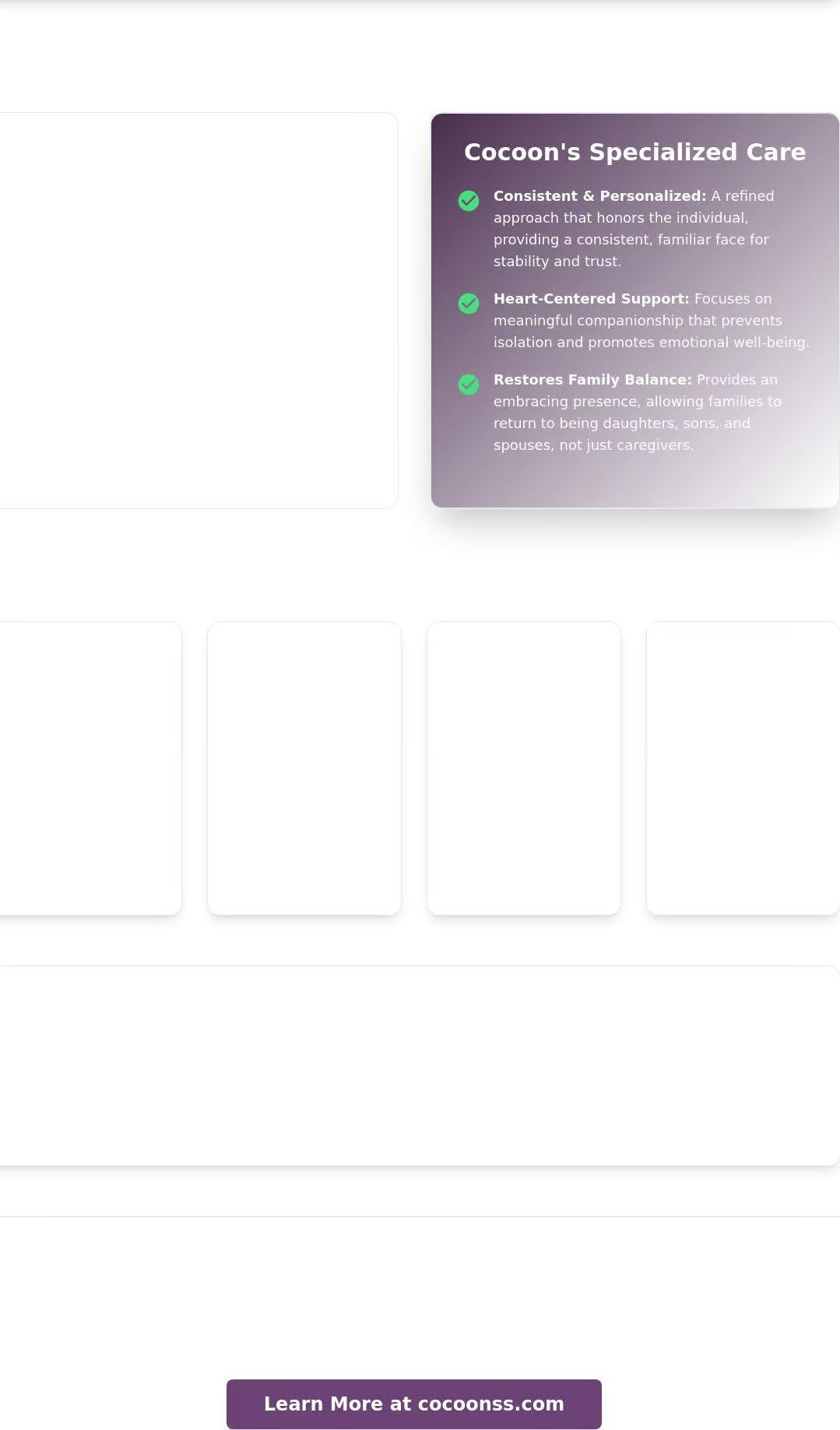
Standard government-funded support in Ontario often falls short. These services usually focus on brief, functional tasks like dressing or feeding. They lack the time for the deep, human connection required to soothe a survivor’s frustration. Families in London and surrounding areas often find themselves exhausted by the fragmented nature of public care. Cocoon offers a different path. We prioritize a refined, personalized approach that honors the individual’s history. Our philosophy centers on creating a space where dignity isn’t just a goal, but a lived experience.
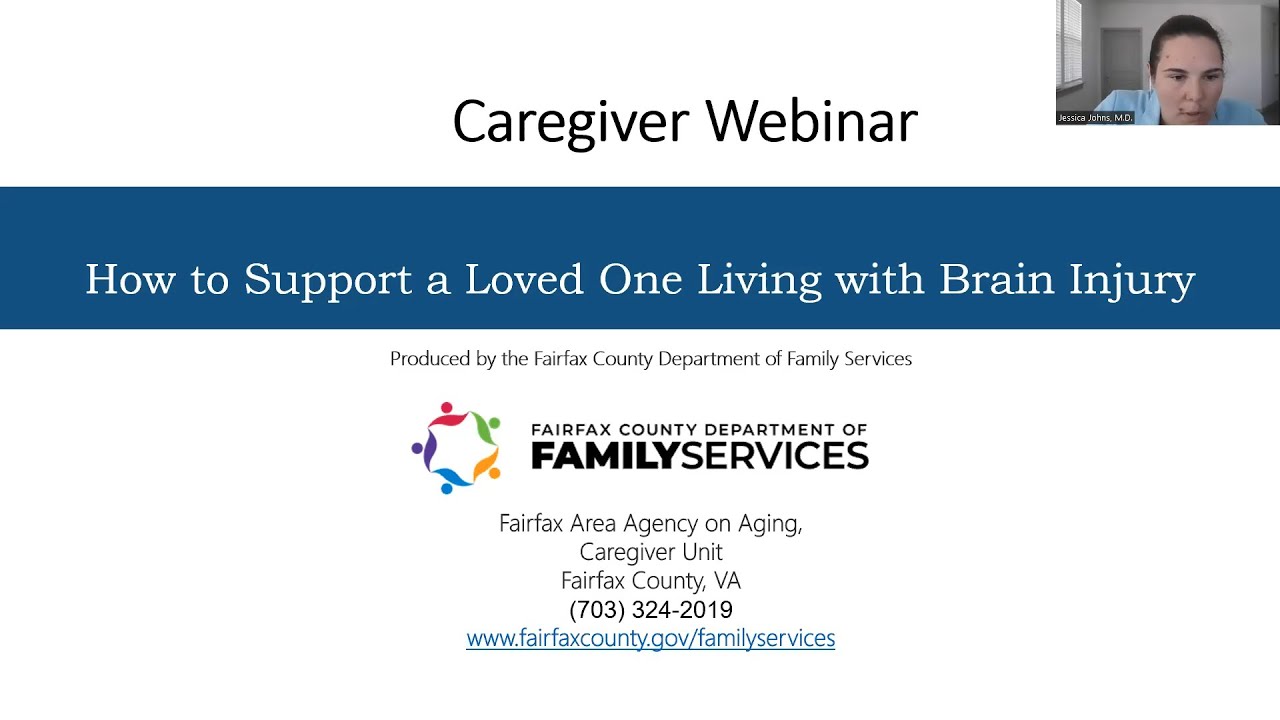
To better understand how to provide the right environment for recovery, watch this helpful video:
The emotional weight on local families is heavy. Balancing work and life while managing a loved one’s cognitive changes creates immense pressure. Cocoon steps into this space to restore balance. We don’t just fill hours; we provide an embracing presence that allows families to return to being daughters, sons, and spouses. Our care is about harmony and the quiet confidence that comes from professional, premium support. We believe in cocooning the individual in a way that promotes independence rather than dependency.
The Unique Challenges of Aging with a Brain Injury
Aging naturally impacts physical stamina, but for those with a brain injury, these effects are magnified. Fatigue isn’t just tiredness; it’s a profound exhaustion that can trigger memory lapses and mobility struggles. Consistent, long-term support is vital because short-term rehabilitation often ends long before the survivor is truly ready. Cocoon focuses on this enduring need for stability. We provide a timeless quality of care that adapts as the individual’s needs evolve, ensuring they never feel rushed or overlooked in their own home.
Practical Tips for Managing Brain Injury Symptoms at Home
Recovery requires stillness. Establishing a strict daily routine acts as an external memory for seniors, providing a reliable map for their day. This structure lowers anxiety because it removes the burden of constant decision-making. Fatigue is the primary obstacle to healing after a neurological event. According to the National Institute of Neurological Disorders and Stroke, the brain requires significantly more energy to process information following an injury. Rest isn’t just a break; it’s a vital component of the recovery protocol that should be prioritized above all other activities.
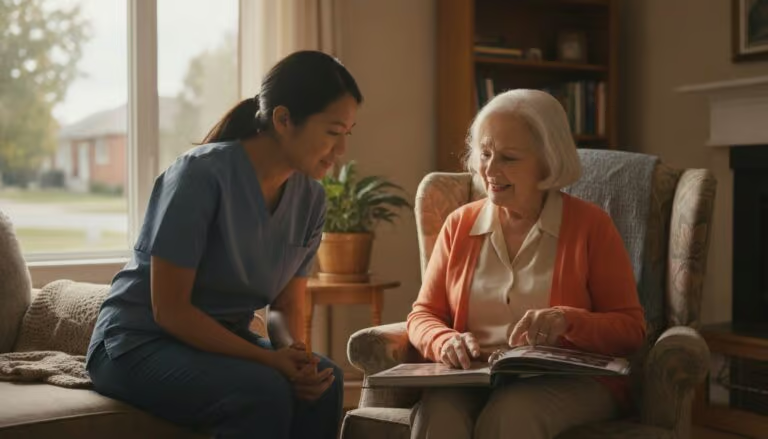
Environmental cues offer a sense of autonomy. Use clear, large-print labels on kitchen cupboards and maintain a centralized wall calendar to anchor the passing of time. Social isolation often follows brain trauma, making the role of a consistent companion vital for emotional health. Our specialized support focuses on brain injuries and how Cocoon Senior Services can help through meaningful companionship that prevents isolation for families in London and surrounding areas. A familiar face provides the security needed to re-engage with life at a gentle, supportive pace.
Enhancing Home Safety and Cognitive Comfort
Falls are a critical risk for seniors with balance issues. Data shows that 33% of seniors over 65 experience a fall annually; this risk increases significantly after a brain injury. Remove area rugs and ensure high-traffic zones are clear of clutter. Manage sensory overload by using soft, dimmable lighting and reducing background noise like television hum or loud appliances. Cognitive comfort is the alignment of a physical space with a survivor’s mental energy levels. By simplifying the environment, we reduce the cognitive load, allowing the brain to focus on healing rather than processing chaos. Explore our daily updates and community stories for more ways to support your loved ones through brain injuries and how Cocoon Senior Services can help.
How Cocoon Senior Services Supports Brain Injury Recovery
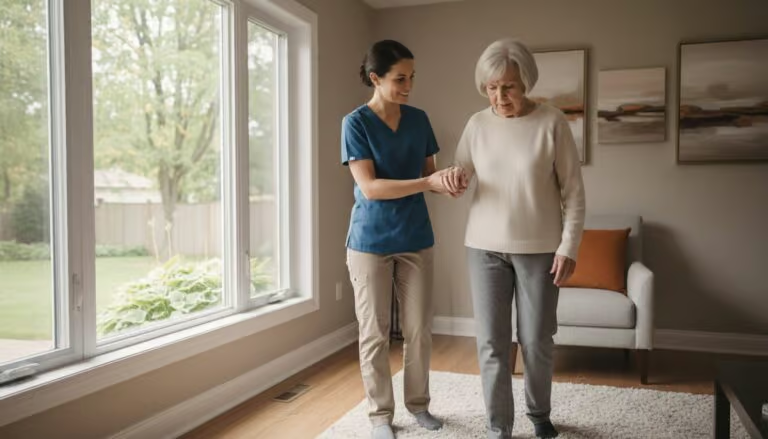
Recovery from a brain injury isn’t a straight line. It’s a journey that requires a stable, calm environment. Cocoon Senior Services provides more than basic assistance; we offer a foundation for lifestyle stability. When a survivor returns home, the sudden shift from a clinical setting to daily life can be overwhelming. We bridge that gap by creating a predictable, supportive routine that fosters healing.
Our caregivers understand that brain injuries and how Cocoon Senior Services can help depends on addressing both physical and cognitive needs. According to the Mayo Clinic, TBI symptoms can affect everything from memory to mood regulation. We manage these challenges through specific, daily support:
- Medication Reminders: Consistency is vital for neurological healing. We ensure every dose is taken on schedule to maintain steady progress.
- Brain-Healthy Meal Prep: Proper nutrition fuels recovery. We prepare fresh, balanced meals that support cognitive function and physical energy.
- Logistics and Errands: We provide reliable assistance with medical appointments and handle essential errands in London and surrounding areas.
Our team applies specialized training from dementia and Alzheimer’s care to brain injury support. This expertise allows us to handle cognitive fatigue and behavioral changes with patience and professional insight. We focus on the person, not just the injury, ensuring they feel safe and understood throughout their recovery.
Personalized Care Plans for Complex Needs
Every recovery is unique. We develop custom care plans that adapt as a survivor makes progress. A plan might start with intensive daily monitoring and shift toward occasional support as independence grows. Household support and housekeeping are central to this process. By keeping the home organized and quiet, we remove the stressors that often trigger sensory overload for survivors. For those looking for a broader perspective on aging in place, our guide on Senior Home Care Services in London, Ontario: A Compassionate Guide to Aging at Home offers deeper insights into our philosophy. Cocoon focuses on the details so families can focus on healing together. We’re here to provide the peace of mind you need during this transition.
Embracing a Path Toward Renewed Independence
Navigating life after a neurological event doesn’t have to be a solitary journey. By implementing structured daily routines and prioritizing cognitive rest, families can create a stable environment for healing. Cocoon Senior Services modernizes this transition through personalized, non-medical support that prioritizes emotional safety. Our team includes certified dementia and Alzheimer’s care professionals who bring specialized expertise directly to your home. This ensures every recovery plan is as unique as the individual receiving it. We understand the complexities of brain injuries and how Cocoon Senior Services can help families in London and surrounding areas find peace of mind. Trust and reliability are the foundations of our care, allowing you to focus on connection while we handle the logistics of daily wellness. It’s about more than just assistance; it’s about reclaiming a sense of harmony within your own four walls. You deserve a support system that values your history and your future equally.
Request a Free Care Consultation with Cocoon Senior Services
Take the first step toward a more supported and serene home life today.
Frequently Asked Questions
Can a brain injury survivor live alone with the help of Cocoon Senior Services?
Yes, a brain injury survivor can maintain independence in their own home with the personalized support provided by Cocoon Senior Services. We create a structured environment that minimizes cognitive fatigue, which affects roughly 70% of individuals following a traumatic brain injury. Our team assists with daily routines, medication reminders, and meal preparation to ensure safety. This specialized approach allows survivors to stay in a familiar space while receiving the professional oversight they need to thrive.
What is the difference between a standard PSW and a Cocoon caregiver for brain injuries?
The primary difference lies in the specialized cognitive rehabilitation training our team receives compared to a standard Personal Support Worker. While traditional care focuses on physical tasks, a Cocoon caregiver understands the neurological complexities of brain injuries and how Cocoon Senior Services can help through cognitive stimulation. We prioritize emotional security and sensory management. Our staff uses specific techniques to reduce overstimulation, ensuring the home remains a calm place for recovery and long term wellness.
How do you handle the behavioral changes sometimes associated with brain injuries?
We manage behavioral changes by implementing consistent daily schedules and identifying specific environmental triggers that cause distress. Research indicates that 50% of survivors experience increased irritability or personality shifts after an injury. Our caregivers use gentle de-escalation techniques and sensory modulation to maintain a peaceful atmosphere. We focus on patience and clear communication, helping clients navigate frustration while preserving their dignity and self worth during difficult moments.
Is respite care available for family members in London and surrounding areas?
Cocoon provides flexible respite care options for families living in London and surrounding areas. This service gives primary caregivers a necessary break to prevent burnout, which impacts 60% of family members caring for those with chronic conditions. You can schedule support for a few hours or several days. It’s a vital resource that ensures your loved one receives high quality care while you take time to rest and recharge your own energy.
Disclaimer
We aim to provide helpful guidance for seniors and families, but this content should not replace professional medical advice. Some links may be affiliate links, and we are not responsible for third-party content.