

TIA (Mini-Strokes): How to Recognize the Signs in London and Surrounding Areas
According to data from the Heart and Stroke Foundation, approximately 10% of individuals who experience a TIA will suffer a major stroke within just 48 hours. It’s natural to feel a sense of dread when a loved one suddenly loses their balance or slurs a word, only to seem perfectly fine moments later. You likely feel torn between wanting to act and not wanting to overreact to what might seem like a simple lapse in memory. Understanding TIA(mini strokes) How to recognize/ How Cocoon Senior Services can assist is the first step toward preventing a life-altering event and restoring a sense of calm to your home.
We understand that the transition from a hospital discharge to managing complex new medications can feel overwhelming for families in London and surrounding areas. This article provides essential clarity on identifying the subtle signs of a mini-stroke and creating a plan for long-term safety. You’ll gain the tools to identify critical symptoms and discover how professional support can help you implement a home monitoring strategy. We’ll explore practical ways to reduce stroke risk factors, ensuring your loved one remains safe, supported, and comfortable in their own environment.
Key Takeaways
- Learn how to use the FAST acronym to identify the temporary warning signs of a mini-stroke before a major medical emergency occurs.
- Discover the critical details regarding TIA(mini strokes) How to recognize/ How Cocoon Senior Services can assist in ensuring long-term safety and recovery.
- Implement practical lifestyle changes, including heart-healthy nutrition and strict medication schedules, to effectively manage blood pressure and cholesterol levels.
- Understand the value of professional monitoring in London and surrounding areas to spot subtle changes in speech or mobility that often go unnoticed.
- Find out how expert support provides the emotional security and specialized care needed to prevent future strokes while maintaining independence at home.
Recognizing TIA (Mini-Stroke) Symptoms in London and Surrounding Areas
A Transient Ischemic Attack (TIA) acts as a critical warning sign for the brain. It’s a temporary blockage of blood flow that often disappears within minutes, but it shouldn’t be ignored. Understanding TIA(mini strokes) How to recognize/ How Cocoon Senior Services can assist is the first step in proactive senior care. These episodes are often called “mini-strokes” because they mimic the symptoms of a full stroke without causing immediate, permanent tissue death. Learn more about Transient Ischemic Attack to understand how these brief interruptions can signal serious underlying vascular issues.
To better understand this concept, watch this helpful video:
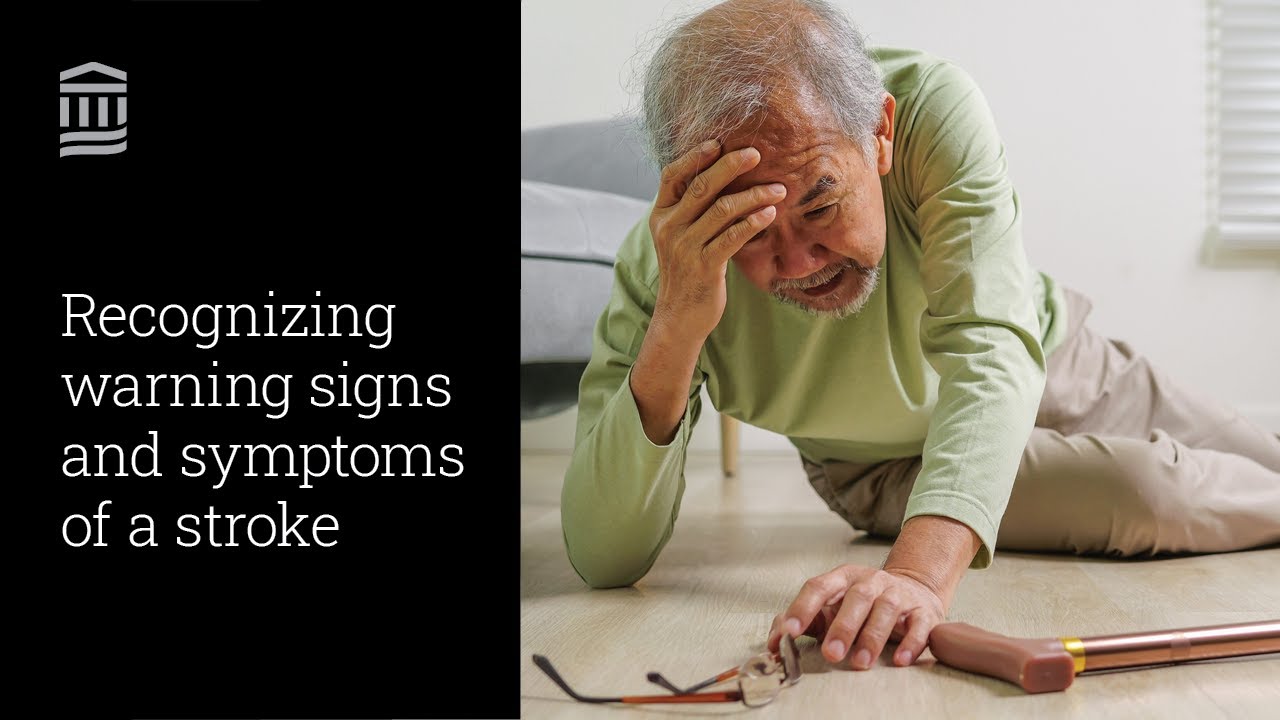
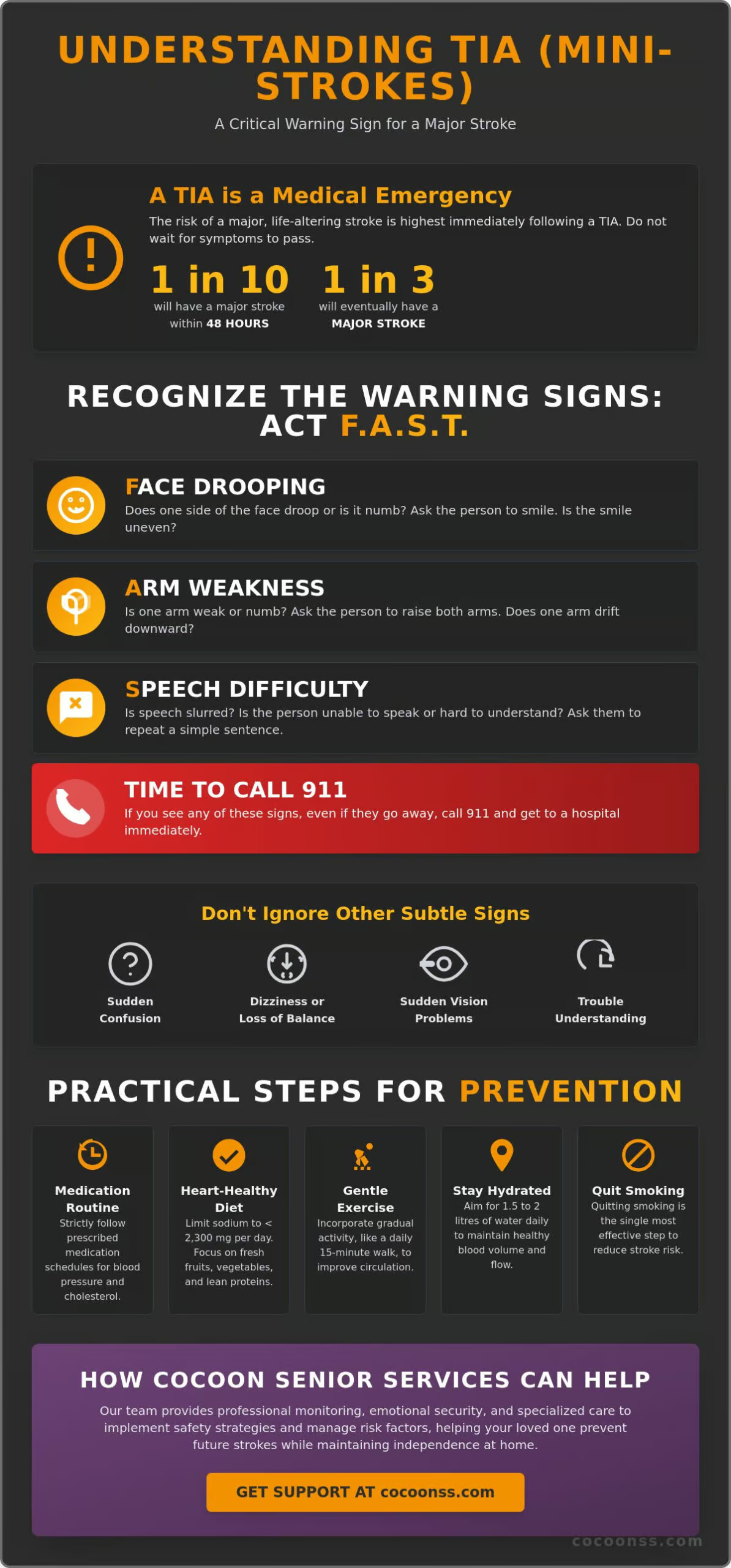
Families must use the FAST acronym to evaluate their loved ones quickly. Check the Face for drooping on one side. Ask the senior to raise both Arms; notice if one drifts downward. Listen for slurred or strange Speech. If any of these occur, it’s Time to call 911. In London and surrounding areas, emergency services prioritize these calls because early intervention saves lives.
There are secondary symptoms that families often overlook. Sudden confusion, a loss of balance, or darkened vision in one eye can also indicate a TIA. If a senior suddenly struggles to find the right words or feels a wave of dizziness, don’t wait for the feeling to pass. Even if the signs vanish before the ambulance arrives, the medical emergency is still active.
Why TIAs are Emergencies
Medical data shows that approximately 33% of people who experience a TIA will eventually have a major stroke. This risk is highest during the first 48 hours after the initial symptoms. There’s a very narrow window for doctors to provide treatments that prevent permanent brain damage. Cocoon Senior Services emphasizes that professional observation can help catch these subtle shifts before they escalate. Stay updated on safety tips through our Instagram page.
TIA vs. Major Stroke: What is the Difference?
The only real difference is the duration of the blockage and the lack of permanent tissue death. A TIA usually lasts less than 24 hours, while a major stroke causes lasting injury. Don’t let the “it passed” mentality stop you from seeking help. If the symptoms go away, it just means the clot dissolved or moved; it doesn’t mean the danger is gone. Acting fast ensures the best possible outcome for your family member’s long-term health.
Practical Steps for Stroke Prevention and Recovery at Home
Recovery begins with the quiet intention of daily habits. It’s about transforming the home into a space of active healing and long-term wellness. A heart-healthy diet serves as the foundation. Focus on nutrient-dense meals that limit sodium to less than 2,300 mg per day. This helps manage blood pressure effectively; a critical step in preventing future events. Fresh produce from local markets in London and surrounding areas provides the antioxidants needed for vascular repair and overall vitality.
Establishing a rigorous medication schedule is non-negotiable. Blood thinners and cholesterol medications work best when taken at the same time every day. Cocoon Senior Services helps families implement these routines with ease. Beyond medication, physical activity should increase gradually. A 15-minute walk can significantly improve circulation when done under professional guidance. Keeping a daily log is a powerful tool. Track blood pressure readings and any brief neurological “blips” to share with your doctor. Recognizing the signs of a TIA and documenting them immediately ensures medical teams have the data they need to adjust treatment plans.
Managing Risk Factors Daily
Hydration plays a vital role in maintaining blood volume and preventing clots. Aim for 1.5 to 2 litres of water daily to keep the system flowing smoothly. If you smoke, quitting is the single most important step you can take for your heart health. Use smart reminders or clear pill organizers to ensure blood thinners aren’t missed. These small, intentional acts create a safer environment for recovery and provide peace of mind for the whole family.
Home Safety Adjustments After a TIA
Safety is about clarity and space. Remove loose rugs and clutter that create trip hazards; these are dangerous if lingering dizziness or balance issues occur. Bright, motion-sensor lighting in hallways and bathrooms prevents falls during the night. Vascular health refers to the condition of the blood vessels and how efficiently they transport life-giving oxygen through the body. Understanding TIA(mini strokes) How to recognize/ How Cocoon Senior Services can assist allows families to feel empowered rather than overwhelmed. You can find more support and visual guides by visiting the Cocoon YouTube channel for expert advice on home care.
How Cocoon Senior Services Assists Families After a TIA
Recovery after a TIA requires a gentle but watchful eye. It’s a moment that calls for heightened awareness and a soft, supportive presence. Understanding TIA(mini strokes) How to recognize/ How Cocoon Senior Services can assist is the first step toward long-term safety. At Cocoon, we focus on creating an environment where healing is the priority. Our approach involves professional monitoring that goes beyond basic care. Caregivers are trained to notice the smallest shifts in a senior’s baseline. Whether it’s a slight hesitation in speech or a subtle lean while walking, these clues are critical. Research from the American Stroke Association indicates that about 33% of people who experience a TIA will have a major stroke within one year if preventative steps aren’t taken.
We take the weight off family members by managing the daily complexities of stroke prevention. This includes strict medication reminders to ensure prescriptions are taken on time, every time. Nutrition also plays a starring role in our care. We prepare meals that follow heart-healthy guidelines, focusing on fresh ingredients that support vascular health. Knowing what to do if you suspect a mini-stroke is essential, but consistent daily habits are what truly lower the risk of a future event. According to 2023 health reports, timely intervention after a TIA can reduce the risk of a follow-up stroke by up to 80%. Our companionship also helps lower blood pressure by reducing the emotional burden and stress often felt by seniors after a health scare.
Supporting Families in London and Surrounding Areas
The transition from a hospital setting to the home can feel overwhelming. Cocoon bridges this gap by providing a steady hand during the first weeks of recovery. Our team understands the unique challenges faced by those in London and surrounding areas. We offer Senior Home Care Services in London and surrounding areas that prioritize dignity and comfort. This support is particularly important for seniors living with dementia and Alzheimer’s, as they face a higher risk for TIAs and may struggle to communicate their symptoms.
Next Steps for Your Loved One
Every senior’s journey is different. We invite you to book a consultation to develop a customized prevention plan that fits your family’s needs. Professional assistance doesn’t mean a loss of independence; it means gaining the security to live fully without fear. For more practical care tips and insights into our philosophy, visit the Cocoon YouTube page. Our goal is to ensure your loved one stays safe while enjoying the harmony of their own home.
Securing Your Loved One’s Safety and Independence
Recognizing the subtle warnings of a mini-stroke can save a life. According to the Heart and Stroke Foundation of Canada, 1 in 10 people who experience a TIA will have a major stroke within 48 hours. This narrow window requires immediate action and a dedicated recovery plan. By focusing on practical prevention and professional home support, families can significantly reduce risks while maintaining a high quality of life. Understanding TIA(mini strokes) How to recognize/ How Cocoon Senior Services can assist ensures you have the right experts by your side during these critical moments.
Cocoon Senior Services provides more than just basic assistance. Our team includes certified dementia and Alzheimer’s care professionals who understand the nuances of neurological recovery. We offer specialized post-surgery and recovery support tailored to maintain senior independence in London and surrounding areas. Every plan is crafted to bring a sense of harmony and emotional security back into the home. It’s about more than care; it’s about restoring peace of mind for the whole family. We focus on the details that make a house feel like a safe, premium environment for healing.
Contact Cocoon Senior Services to discuss a personalized home care plan for your loved one
You don’t have to navigate this journey alone. We’re here to provide the professional support and warmth your family needs to move forward with confidence.
Frequently Asked Questions
How long do mini-stroke symptoms usually last?
Symptoms of a mini-stroke usually last for less than 24 hours, with most cases resolving within 60 minutes. Even if the signs vanish quickly, they indicate a temporary blockage of blood flow to the brain. Learning TIA(mini strokes) how to recognize these fleeting moments is vital; it’s the body’s way of asking for immediate attention to prevent future complications.
Can a senior fully recover from a TIA at home?
A senior can recover physically at home, but they must receive a medical evaluation first to address the underlying cause. Once a doctor provides a care plan, Cocoon Senior Services can assist by creating a supportive environment for recovery. Our staff focuses on maintaining a tranquil atmosphere that promotes healing and prevents the stress often associated with health scares.
What are the most common triggers for a TIA in the elderly?
High blood pressure is the most frequent trigger for a TIA, affecting approximately 25% of Canadian seniors. Other common causes include carotid artery disease and irregular heartbeats like atrial fibrillation. We help families navigate these challenges by offering personalized support that prioritizes comfort and premium care standards in London and surrounding areas.
How often should a senior be monitored after having a TIA?
Seniors require constant monitoring for the first 48 hours after a TIA, as the risk of a subsequent stroke is approximately 5% during this timeframe. Observation should continue closely for the following 90 days to track health patterns. Cocoon provides the professional oversight needed to ensure your loved one feels secure and cared for during this sensitive period.
Disclaimer
We aim to provide helpful guidance for seniors and families, but this content should not replace professional medical advice. Some links may be affiliate links, and we are not responsible for third-party content.