

Alzheimer’s Care: A Guide for Families in London, Ontario
The morning light filters through the window, catching the soft texture of a familiar wool throw, yet the home no longer feels like the sanctuary it once was. For many families in London, Ontario, the journey with Alzheimer’s begins with these quiet, unsettling shifts in a loved one’s routine. You likely feel the pull of exhaustion and the sharp sting of guilt when you realize you can’t provide every hour of care yourself. It’s a heavy burden to carry alone. We believe your home should remain a place of peace, not a source of constant worry about safety or missed medications.
This guide offers practical strategies and specialized at-home support to help your family navigate the progression of the disease with grace. You’ll discover how to create a calm environment that preserves a senior’s dignity while providing the professional support you deserve. The extra mile. Every client. Every.
Key Takeaways
- Learn how to navigate the local healthcare landscape in London to find immediate support and avoid the uncertainty of government waitlists.
- Discover how a gentle, predictable daily rhythm can reduce agitation and bring a sense of calm to the afternoon hours.
- Explore how specialized services like in-home footcare and pet support preserve your loved one’s dignity and their most cherished bonds.
- Find practical ways to create a safe, peaceful home environment while managing the evolving challenges of Alzheimer’s with confidence.
Understanding Alzheimer’s and Its Impact on London Families
The journey with this condition is rarely a straight path. It is a slow, unfolding story that requires us to look at our homes and our conversations through a softer, more intentional lens. Understanding What is Alzheimer’s disease helps families realize it is a progressive condition, one that eventually asks us to reorganize the very spaces we call sanctuary. In London and St. Thomas, families often face the quiet frustration of a complex healthcare system. Finding your way through local resources can feel overwhelming, especially when you are already managing the emotional weight of a loved one’s change. Recognizing these shifts early allows for a transition that prioritizes comfort over crisis. It’s about creating a soft place to land.
Recognizing Early Signs Within the Home Environment
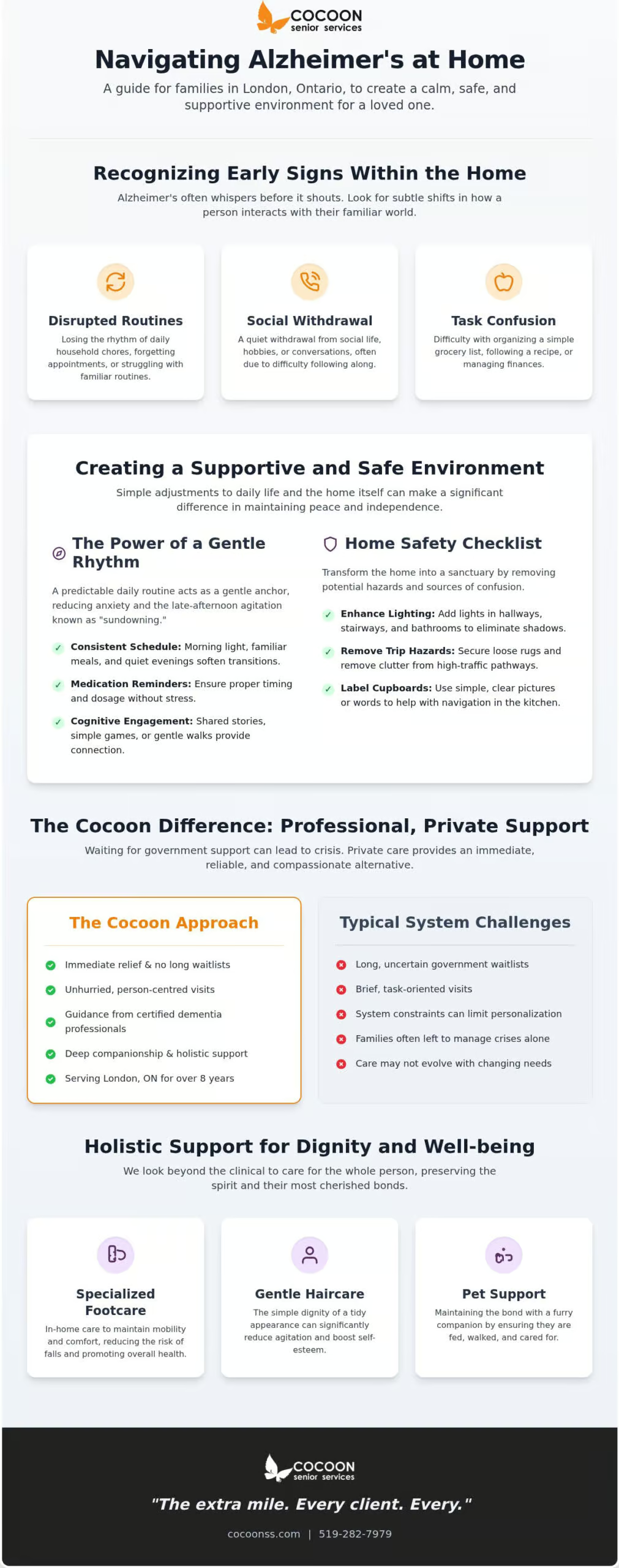
Subtle changes often whisper before they shout. You might notice a loved one losing their way on familiar streets like Richmond or Wonderland Road, or perhaps the kitchen, once a place of effortless creation, becomes a source of confusion during meal preparation. “Alzheimer’s is not just about memory loss; it is about the subtle changes in how a person interacts with their familiar world.”
Watch for these indicators within the home:
- Losing the rhythm of daily household chores and familiar routines.
- Difficulty organizing a simple grocery list or following a long-loved recipe.
- Unexplained changes in mood or a quiet withdrawal from social life.
Seeking a professional assessment early is an act of deep love and foresight. It moves the conversation away from fear and toward a plan that preserves dignity and peace. Waiting for a crisis only limits your choices. Early awareness provides the time needed to build a supportive, beautiful environment that honours the senior’s history and independence.
Creating a Supportive Daily Routine for Alzheimer’s Care
A predictable rhythm acts like a gentle anchor. It tethers a loved one to a sense of safety when the world feels fragmented. Alzheimer’s often brings “sundowning,” where late afternoon shadows trigger anxiety. A consistent schedule of morning light, familiar meals, and quiet evenings can soften these transitions. It allows the home to remain a sanctuary rather than a source of confusion.
Practical, non-medical steps provide the structure needed to stabilize the day. Simple acts like medication reminders or preparing a warm, nourishing meal do more than meet physical needs. They create a steady pulse for the household. Specialized at-home support transforms these tasks into moments of connection. Companionship isn’t just about watching over someone; it’s about active cognitive engagement through shared stories or a gentle walk. These moments of presence are vital.
Practical Lifestyle Adjustments and Home Safety
Many homes in London, Ontario, especially in historic neighbourhoods like Old East Village or Woodfield, possess a unique charm but also specific challenges. Steep stairs and uneven flooring require careful attention. Creating a safe path is an act of care. Consider this safety checklist:
- Enhance lighting in hallways to eliminate disorienting shadows.
- Secure loose rugs or remove trip hazards from high-traffic paths.
- Label cupboards with simple sketches to help with navigation.
Keep your loved one involved in small, purposeful tasks. Folding soft linens or drying a few favourite dishes maintains their sense of belonging. For deeper safety strategies that honour the character of your home, our guide on Specialized Dementia & Alzheimer’s Care offers further insight. You can also find daily inspiration on our Instagram where we share the beauty of unhurried care.
Specialized At-Home Support: The Cocoon Approach
Waiting for government-funded support often leaves families in a state of quiet crisis. In London and the surrounding areas, these waitlists can be long, leaving you to manage the complexities of Alzheimer’s without a safety net. Private, non-medical care acts as a vital bridge. It offers immediate relief while ensuring your loved one doesn’t just survive, but thrives in their own space. Having a certified dementia professional guide your care plan ensures that as the disease evolves, the support evolves with it. It’s about foresight and professional grace.
Our approach looks beyond the clinical. We believe in the restorative power of feeling like oneself. This is why we offer holistic services that many traditional models overlook. Whether it’s specialized in-home footcare, a gentle haircare session, or ensuring a beloved pet is fed and walked, these details matter. Maintaining the bond with a furry companion or the simple dignity of a tidy appearance can significantly reduce the agitation often associated with Alzheimer’s. It’s these tactile, human experiences that preserve a person’s spirit.
Why Private Non-Medical Care Makes the Difference
Public health models are often constrained by the clock. Visits are task-oriented and brief. We choose a different path, one where time is a gift rather than a limit. This unhurried pace allows for deep companionship and the ability to notice the smallest changes in well-being. We invite you to reach out for a free care consultation to discuss how we can support your family in London, St. Thomas, or Port Stanley. Let us help you return to being a daughter or a son, rather than a full-time coordinator.
The extra mile. Every client. Every. Call us at 519-282-7979.
Restoring Peace and Presence in Your Home
Providing care for a loved one with dementia doesn’t have to mean losing the beauty of your relationship to exhaustion. By recognizing early signs and establishing a gentle, predictable rhythm, you can create a safe sanctuary that honours their dignity. Experience shows how the right support transforms a house back into a home.
Cocoon Senior Services has been serving families in London for over eight years. As an award-winning provider founded by a certified dementia care professional, we bring both expertise and heart to every family we meet. You don’t have to navigate this path alone. Contact Cocoon Senior Services for a private Alzheimer’s care assessment in London, Ontario to discover how we can help your family find quiet confidence. Better days are waiting.
Frequently Asked Questions
What is the difference between Alzheimer’s and dementia?
Dementia is an umbrella term for a group of symptoms that affect memory, thinking, and social abilities. Alzheimer’s is a specific disease and is the most common cause of dementia. It’s helpful to think of dementia as the overall category and this condition as a particular diagnosis that requires its own specialized approach to care and communication.
How can I tell if my parent in London needs professional Alzheimer’s care?
Look for shifts in their ability to manage daily tasks or a sudden loss of confidence during routine errands in the city. If you notice missed medications or if you’re feeling the physical toll of caregiver burnout, professional support can provide a vital safety net. Seeking help early ensures a calmer transition and helps maintain a peaceful, secure home environment for everyone involved.
Does Cocoon Senior Services provide support for family caregivers?
We offer dedicated respite and support for family caregivers to help you manage the emotional and physical demands of the journey. Our founder is a certified professional who understands that your well-being is just as important as your loved one’s comfort. We provide the “extra mile” of support so you can find time for your own rest and reflection.
Can Alzheimer’s care be provided in a retirement home or only at a private residence?
Specialized care can be provided in private homes, retirement residences, or long-term care facilities across London and St. Thomas. Many families choose to supplement existing facility staff with our one-on-one companionship. This ensures your loved one receives unhurried, personal attention that honours their unique routines and maintains a sense of intimacy and safety, regardless of where they live.
Disclaimer
We aim to provide helpful guidance for seniors and families, but this content should not replace professional medical advice. Some links may be affiliate links, and we are not responsible for third-party content.