

Signs of Hearing Loss: Supporting Your Parent in London
A soft afternoon light filters through the window, yet the room feels strangely quiet because your father hasn’t responded to your greeting. It’s a subtle silence. These moments of missed connection often signal a deeper shift in health. Statistics show that one in three adults now lives with some form of auditory challenge. Recognizing 3. Hearing loss: when to seek support for your aging parent is the first step in preserving the intimacy of your shared time. You shouldn’t have to shout to be heard in your own home.
It’s exhausting to repeat every sentence, and the guilt of feeling annoyed can be overwhelming. You worry about missed alarms or the isolation that follows when conversation becomes a chore. This guide reveals the quiet signs of hearing loss and explains how professional support can bridge the gap. We’ll show you how Cocoon Senior Services brings safety and ease back to daily life in London and surrounding areas. Discover how to move past the frustration and return to the simple joy of a shared story.
Key Takeaways
- Identify subtle behavioral cues like “listening fatigue” and high television volumes that often signal a need for professional attention.
- Learn the specific indicators of 3. Hearing loss: when to seek support for your aging parent to maintain their independence and safety.
- Explore the connection between untreated hearing issues and broader health risks, including cognitive decline and an increased chance of falls.
- Master the art of empathetic conversation to encourage hearing assessments while prioritizing your parent’s dignity and emotional comfort.
- Discover how Cocoon Senior Services provides the companionship and household support needed to foster meaningful connection in London and surrounding areas.
Recognizing the Subtle Signs of Hearing Loss in Seniors
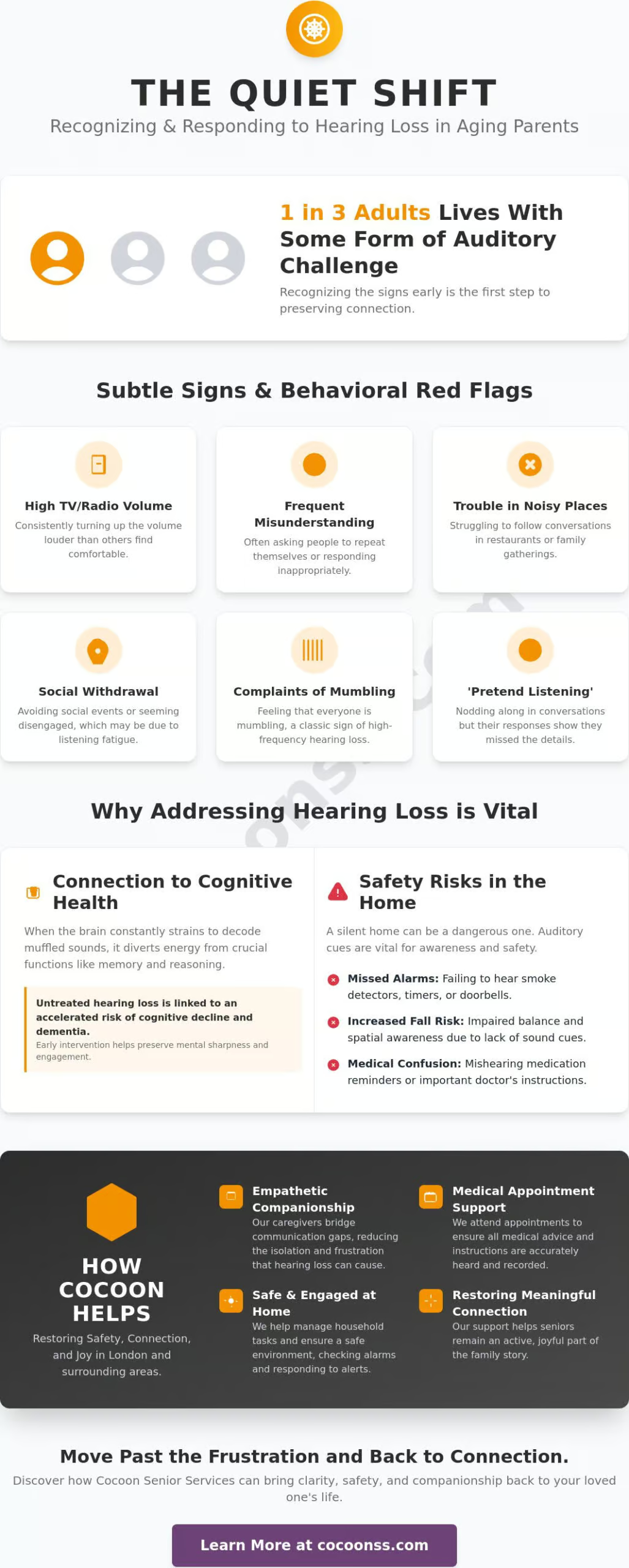
A quiet shift often begins in the living room. You notice the television volume is slightly higher each week. Perhaps a casual question is met with a blank stare or a request to repeat yourself. These moments are more than just distractions. They’re common signs of age-related hearing loss (presbycusis). Understanding 3. Hearing loss: when to seek support for your aging parent requires a keen eye for these subtle changes before they lead to deeper isolation.
It’s exhausting to live in a world that’s slowly turning down the volume. You might see your parent nodding along during a story, yet their eyes don’t reflect the humor of the joke. This ‘pretend listening’ is a common defense mechanism. It hides the embarrassment of missing words, but it also creates a barrier between loved ones. Instead of a natural flow, the conversation becomes a series of guesses. Watching for these physical cues, such as leaning forward or intensely watching a speaker’s lips, can help you step in with empathy before the frustration grows.
Communication Struggles in Daily Life
Background noise is the greatest enemy of clear conversation. In London and surrounding areas, a busy family brunch can quickly become a source of stress rather than joy. If your parent struggles to follow a conversation when multiple people speak, or if they find high-pitched voices difficult to decipher, their auditory processing is likely under strain. These hurdles often lead to a quiet withdrawal from the very moments that matter most. They may appear confused or unresponsive, but they are simply lost in a sea of muffled sounds.
Behavioral Red Flags and Social Withdrawal
The fatigue of trying to hear is profound. It’s called ‘listening fatigue,’ and it leaves seniors feeling drained after even short social visits. You may notice they’ve stopped answering the phone or no longer notice the chime of the doorbell. This isn’t a lack of interest; it’s a loss of access to their environment. When family stories and jokes are missed, the emotional toll of feeling ‘left out’ can be devastating. Common indicators include:
-
Avoiding gatherings: Skipping social clubs or dinners to hide their difficulty understanding others.
-
Unresponsiveness: Not reacting to sounds like a microwave timer or a ringing phone.
-
Exhaustion: Needing a long nap after a simple family visit due to the mental effort of listening.
Recognizing these shifts is the first step in restoring the connection.
Why Addressing Hearing Loss is Vital for Long-Term Wellness
Hearing is the invisible thread that keeps us anchored to our surroundings. When that thread begins to fray, the impact reaches far beyond missed words or misheard jokes. Hearing loss is a common problem for older adults, yet many families delay intervention, unaware of the profound connection between auditory health and cognitive vitality. Understanding 3. Hearing loss: when to seek support for your aging parent is essential because the brain and the ears work as a singular, delicate system. When one falters, the other carries a heavy burden.
The Connection Between Hearing and Cognitive Health
When a senior struggles to hear, their brain must divert immense energy toward decoding muffled sounds. This constant strain leaves less mental capacity for memory and complex reasoning. Research indicates a clear link between untreated auditory decline and an accelerated risk of cognitive decline or dementia. Early intervention isn’t just about volume. It’s about preserving the mental sharpness that defines our personality. By addressing these changes early, you protect the cognitive reserves your parent needs to stay vibrant and engaged with the world around them.
Safety Risks in the Home Environment
The home should be a place of protection, but silence can be deceptive. Failing to hear a smoke detector, a microwave timer, or a doorbell creates immediate physical danger. Spatial awareness also relies heavily on sound cues. Without them, the risk of falls increases significantly as balance becomes harder to maintain. If your parent misses medication reminders or instructions from a healthcare provider, their physical health can spiral quickly. You can enhance safety in London and surrounding areas with a few practical steps:
-
Install flashing or vibrating alerts for doorbells and smoke alarms.
-
Use high-visibility visual timers for kitchen appliances to prevent accidents.
-
Ensure medical appointments are attended by a supportive companion who can accurately record instructions.
Isolation often follows a loss of hearing, leading to depression and a weakened immune system.
How to Seek Support and How Cocoon Senior Services Helps
Navigating the transition into sensory support requires patience and a gentle touch. While technology offers tools for clarity, the emotional journey of accepting change is often where families need the most guidance. Knowing 3. Hearing loss: when to seek support for your aging parent allows you to act before frustration sets in. A professional hearing assessment is the essential first step. It provides a clear map of your parent’s auditory landscape and opens the door to solutions that restore safety and ease.
Starting the Conversation with Your Parent
Timing is everything when discussing sensitive health changes. Choose a quiet afternoon in a familiar London and surrounding areas home setting where there are no competing noises. Approach the topic with empathy. Use "I" statements like, "I’ve noticed you’ve been missing some of our chats lately, and I want to make sure we don’t lose those moments." Focusing on "connection" rather than "disability" helps your parent feel supported rather than scrutinized. Offering to accompany them to their appointment provides the emotional anchor they may need during this vulnerable time.
The Role of Cocoon Senior Services
Hearing aids are wonderful, but they aren’t a cure-all for the social challenges that come with sensory shifts. Deafness and hearing loss can lead to profound social exclusion if not managed with care. Cocoon Senior Services bridges this gap by providing more than just physical help. Our companions are patient, clear-speaking partners who ensure your loved one remains an active participant in life. We offer a variety of ways to support your family’s needs:
-
Medication Reminders: We ensure health protocols are followed even when auditory alarms are missed.
-
Companionship: Our team provides dedicated time for meaningful interaction and shared stories.
-
Housekeeping and Personal Care: We reduce the daily burden of home maintenance so your parent can focus on their wellness.
By integrating professional support, you ensure your parent’s home remains a place of peace. You can find more tips and stories of connection on our Facebook or Instagram pages. Let us help you protect the quality of your shared time.
Restoring the Harmony of Home
Hearing is the delicate thread that weaves together our most cherished family moments. It’s how we stay connected. When that thread begins to fray, the home can lose its sense of warmth and easy connection. By identifying the subtle cues of auditory change, you don’t just solve a communication problem. You protect your parent’s long-term cognitive health and physical safety. This awareness is the foundation of a supportive environment. It ensures the sounds of laughter and shared stories continue to fill the rooms of your home in London and surrounding areas.
Recognizing 3. Hearing loss: when to seek support for your aging parent allows you to act with grace and intention. At Cocoon, our certified dementia and Alzheimer’s care professionals prioritize the independence and dignity of your loved one. We’re here to provide the patient companionship and household support that makes daily life feel seamless again. You don’t have to manage these transitions alone. Contact Cocoon Senior Services for a personalized care consultation today. Together, we can create a future where your parent feels heard, valued, and safe in every moment.
Frequently Asked Questions
How do I know if it is hearing loss or just selective hearing?
Distinguishing between the two often comes down to consistency and environment. Selective hearing is usually tied to a lack of interest in a specific topic, while hearing loss is a physical limitation. If your parent struggles specifically in noisy rooms or misses high-pitched sounds like a doorbell, it’s likely a health matter. Observing these patterns helps you determine 3. Hearing loss: when to seek support for your aging parent.
What should I do if my parent refuses to wear their hearing aids?
Patience is your most valuable tool when a parent resists using their devices. Many seniors find hearing aids uncomfortable or frustratingly complex at first. Try to focus on the joy of connection rather than the mechanics of the device. Sometimes, having a patient companion from Cocoon can help. Our team provides gentle encouragement, ensuring the senior doesn’t feel pressured or overwhelmed during the adjustment period.
Can hearing loss in seniors be reversed or cured?
Age-related hearing loss is generally permanent because it involves the natural wear of delicate inner ear cells. While it can’t be reversed, it’s highly manageable with the right combination of technology and lifestyle changes. Early detection is vital for preserving cognitive health. Understanding 3. Hearing loss: when to seek support for your aging parent ensures you can implement safety measures before the loss leads to social withdrawal or depression.
How does home care help a senior with hearing loss in London and surrounding areas?
Professional home care provides a vital safety net for seniors in London and surrounding areas who struggle with auditory cues. Cocoon offers companionship services where our staff speak clearly and face the senior directly to aid communication. We also assist with medication reminders and household support. This ensures that missed alarms or doorbells don’t compromise your parent’s safety or peace of mind within their home.
Disclaimer
We aim to provide helpful guidance for seniors and families, but this content should not replace professional medical advice. Some links may be affiliate links, and we are not responsible for third-party content.