Preventing Falls in Elderly London Homes: A 2026 Safety Guide
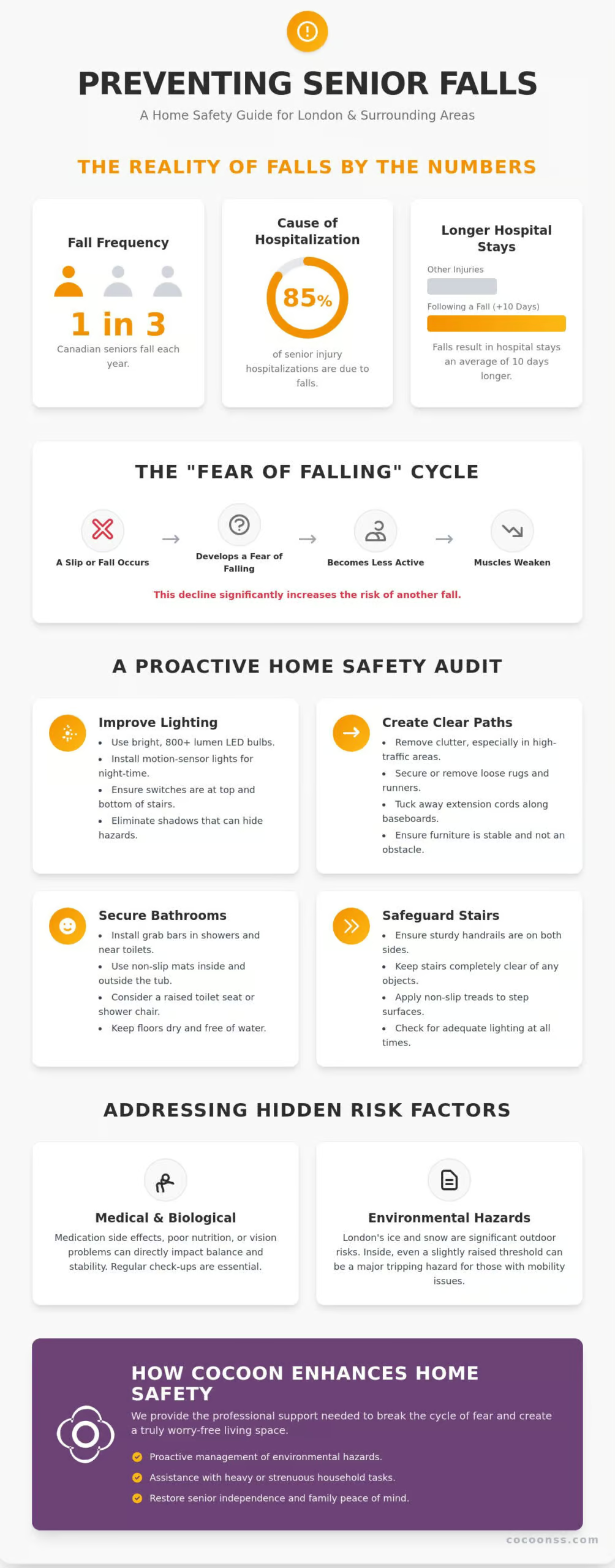
Many Canadian seniors over the age of 65 experiences a fall every year, often resulting in hospital stays that last an average of 10 days longer than for other types of injuries? This 2024 data from the Public Health Agency of Canada highlights why securing a living space is so vital for our aging population. It’s a sobering reality for many families in London and surrounding areas who want their loved ones to age gracefully without the constant fear of a trip or slip.
You likely worry about your parent being home alone, or perhaps you feel guilty that you can’t be there 24/7 to ensure every step they take is secure. It’s completely normal to feel overwhelmed by the sheer number of home modifications people suggest. This 2026 guide simplifies the process of preventing falls in elderly London home environments, offering you professional support options and actionable steps to restore your peace of mind. We’ll walk through a practical safety checklist and explore how Cocoon provides the extra layer of protection needed to maintain a senior’s independence in their own space.
Key Takeaways
-
Understand the latest 2026 safety statistics for Ontario seniors and why a holistic approach is vital for maintaining long-term independence.
-
Learn how to conduct a professional room-by-room safety audit for preventing falls in elderly London home settings, focusing on high-impact upgrades like motion-sensor lighting.
-
Identify hidden medical risk factors, including how specific medication interactions and nutrition levels directly influence physical balance and stability.
-
Discover the latest wearable fall detection and smart home technologies currently available to families in London and surrounding areas.
-
See how Cocoon Senior Services proactively manages environmental hazards and heavy household tasks to create a safer, worry-free living space.
Table of Contents
The Reality of Falls for Seniors in London and Surrounding Areas
Falls aren’t just random accidents. They are often the result of a complex interplay between a person’s health, their daily habits, and the physical environment of their house. Effectively preventing falls in home settings requires a strategy that addresses all three areas simultaneously. By looking at the big picture, families can ensure their loved ones remain independent and confident for as long as possible.
In 2026, data from Ontario health agencies indicates that falls account for nearly 85% of senior injury hospitalizations. This creates a dangerous "Fear of Falling" cycle. When a senior loses confidence after a slip, they naturally move less. Their muscles grow weaker from inactivity. This physical decline actually increases the likelihood of a future tumble. This is where global research on fall prevention suggests that early intervention and consistent movement are critical to maintaining quality of life.
Why Falling is a Major Concern for London Families
A single fall can change everything overnight. Beyond the immediate pain, the financial and emotional burden is significant. Hospital stays and subsequent rehabilitation can cost the healthcare system over C$30,000 per serious hip fracture, with families often absorbing additional costs for temporary care. In 2026, London families increasingly prefer high quality home care over institutional living. This shift places a spotlight on the unique risks of our local climate. London’s heavy lake-effect snow and ice-covered porches create treacherous conditions. Cocoon provides the steady hand needed to navigate these environmental challenges safely.
Identifying the First Signs of Mobility Issues
Mobility issues don’t always start with a crash. They begin with subtle changes, like "furniture walking" or a sudden hesitation at the top of the stairs. You might notice a loved one avoiding the second floor or gripping the armrests of a chair tightly before standing up. If these behaviors appear, it’s time to move from watching to acting on home safety. A mobility assessment is a professional evaluation of an individual’s physical movement patterns and balance to identify specific fall risks before an accident occurs. Taking this step ensures that preventing falls in the elderly home environment becomes a proactive plan rather than a reactive crisis.
A Room-by-Room Home Safety Audit for London Seniors
Walk through your front door and pause. Try to view your space through the eyes of someone with limited mobility or shifting balance. A decorative floor vase or a slightly raised door threshold might seem harmless, but these are the quiet hazards that lead to accidents. Conducting a thorough audit is the most effective way of preventing falls in elderly London home environments. It’s about proactive observation rather than reacting after a slip occurs.
Lighting serves as your first line of defence. Shadows create illusions of depth that can cause a misstep. Every room needs consistent, bright illumination. Replace dim bulbs with LEDs that offer at least 800 lumens. Strategic placement is vital; ensure light switches are at both the top and bottom of stairs. Motion sensors are a modern necessity for hallways and bedrooms. They provide instant visibility during night-time hours without the need to fumble for a switch in the dark.
The ‘Clear Path’ rule is a non-negotiable standard for safety. High-traffic zones must remain entirely free of clutter. This means removing stacks of books, floor plants, or low-profile coffee tables that obstruct a straight walking line. Floor surfaces require specific attention. Slippery tiles and loose rugs are primary culprits for hospital visits. According to NHS guidance on fall prevention, simple environmental changes can significantly reduce the risk of a serious injury at home.
Securing High-Traffic Areas: Hallways and Living Rooms
Hallways in many London homes are narrow, making them high-risk zones. Remove ‘trip traps’ like extension cords or loose telephone wires. These should be secured along baseboards or tucked behind furniture. Furniture itself must be sturdy. Test your armchairs and side tables; they should be stable enough to support 200 lbs if someone grabs them for balance. If you choose to keep area rugs for comfort, ensure they have a high-quality non-slip backing or are taped down securely on all four sides.
Bathroom and Kitchen Modifications That Save Lives
The bathroom is often the most dangerous room in the house. You must install professional-grade grab bars near the toilet and inside the shower. Never rely on towel racks for support. They aren’t designed to hold body weight and will likely pull away from the wall during a fall. In the kitchen, reorganize your storage. Move frequently used plates, pans, and pantry staples to waist-height shelves. This eliminates the need for reaching high or bending low, both of which can cause sudden dizziness.
Spills are inevitable, but they can’t be ignored. Even a few drops of water on a linoleum floor can be disastrous. Professional household support provides an extra layer of safety by ensuring floors are kept dry and tidy throughout the day. Maintaining a safe home allows you to focus on enjoying your time in London and surrounding areas. For more practical advice on maintaining your independence, follow Cocoon on Instagram.
Addressing Biological and Medical Risk Factors
Safeguarding a loved one involves looking beyond the physical environment of the house. Biological changes are often the silent catalysts for accidents. While a loose rug is a visible trip hazard, a sudden drop in blood pressure or a dizzy spell is just as dangerous. Managing these internal risks is a cornerstone of preventing falls in elderly London home environments. In 2026, health data indicates that nearly 30% of seniors over age 65 experience a fall annually, often due to manageable medical factors that go overlooked.
Prescription medications are a frequent culprit for instability. Common drugs for hypertension, anxiety, or insomnia can linger in the system, causing "brain fog" or orthostatic hypotension. This is a condition where blood pressure drops rapidly upon standing. According to Public Health England’s fall prevention framework, reviewing medication with a healthcare provider is a primary step in reducing injury rates. It’s vital to ensure that the benefits of a prescription don’t outweigh the risk of a fracture.
Nutrition and hydration play equally vital roles in maintaining a steady gait. Dehydration reduces blood volume, which leads to immediate lightheadedness. Similarly, a lack of protein can accelerate muscle wasting, known as sarcopenia. In London and surrounding areas, regular vision and hearing checkups are essential for maintaining spatial awareness. If a senior cannot hear a floorboard creak or see a subtle transition in flooring textures, their risk of a stumble increases. Footwear is the final piece of this safety puzzle. You should ditch loose-fitting slippers or high-heeled shoes. Sturdy, well-fitted footwear with thin, firm soles provides the sensory feedback needed for better balance.
Medication Reminders and Health Monitoring
Consistency is the key to safety. Double-dosing or missing a pill can lead to severe physiological spikes that cause fainting or confusion. Cocoon provides professional companionship to help families observe these subtle health changes in real time. Our team helps maintain a detailed log of side effects to share with the family doctor. This proactive tracking ensures that medical regimes support health without compromising a senior’s balance.
The Importance of Strength and Balance Exercises
Daily movement is the best defense against muscle atrophy. Simple at-home movements, like sit-to-stand exercises or 10-minute daily walks, build the core stability required to stay upright. For those looking for structured support, exploring Senior Wellness Programs in London and surrounding areas offers a path to more resilient aging. Keeping the body active ensures that the biological foundation remains strong enough to prevent a minor slip from becoming a life-changing fall.
Practical Tools and Community Resources in London
Modern technology offers a safety net that didn’t exist a decade ago. In 2026, wearable devices have moved beyond simple buttons. Smartwatches now use advanced AI to detect the specific velocity of a fall, often distinguishing between a stumble and a serious drop. While pendants are durable and have long battery lives, many seniors prefer smartwatches because they feel less like a medical device. Cocoon can get you set up with these devices right away. It is essential to choose a tool that fits the daily routine of the individual.
Smart home integrations have also become more accessible. Voice-activated lighting systems like those from Google or Alexa can illuminate a hallway instantly. This eliminates the need to reach for a switch in the dark, which is a common cause of accidents. These systems can also be programmed to send emergency alerts to family members if a specific "help" phrase is spoken aloud.
Wearable Technology and Home Monitoring
Setting up a daily check-in via social media is a simple, free way to stay connected. A quick message or photo shared with family members provides peace of mind without feeling intrusive. This digital "buddy system" ensures that someone is always aware of a senior’s well-being. You can find more community tips on senior tech by visiting Cocoon’s Facebook page, where we share the latest updates on aging safely at home.
Accessing Community Support in London
For physical home modifications like grab bars, look for contractors in London and surrounding areas who hold a "Certified Aging-in-Place Specialist" (CAPS) designation. These professionals understand the specific weight-bearing requirements for safety hardware. Don’t settle for a general handyman when it comes to preventing falls in elderly London home environments. Proper installation into wall studs is the only way to ensure the bar won’t pull away during a slip.
This attention to detail should also apply to outdoor amenities. A heavy, water-logged hot tub cover can pose a significant strain or fall risk for a senior. Ensuring it’s replaced with a modern, well-fitting model is another important step in home safety; specialist suppliers like Northern Hot Tub Covers can provide custom solutions.
Cocoon can also get you set up with stair lifts quickly where stairs aren’t a safe option any longer.
-
Medication Reviews: Local pharmacies in London offer MedsCheck consultations. If you take three or more prescription medications, these reviews are often covered by provincial programs. Pharmacists can identify side effects like dizziness that directly increase fall risks.
-
Consistent Care: Navigating government-funded care can be complex. While public options exist, they often involve a rotating cast of workers. Private care through Cocoon Senior Services ensures the same professional enters the home every time.
-
The Second Set of Eyes: Consistency allows a caregiver to notice if a senior’s gait has changed or if a new rug has become a tripping hazard. This proactive observation is vital for long-term safety.
A professional caregiver does more than just help with daily tasks; they provide the vigilant oversight needed to catch hazards before they lead to an injury. To learn how we can support your family, explore our options at Cocoon Senior Services.
How Cocoon Senior Services Enhances Home Safety
Cocoon views home safety as a dynamic, ongoing process. We don’t just drop in for a quick visit; we manage the entire home environment. This means looking at every corner of the residence through a professional safety lens. Our approach integrates physical support with emotional security. We believe that a safe, well-managed home is the foundation of a dignified life. By focusing on the total environment, we reduce the cognitive load on the senior and their family.
Household Support: Removing Hazards Before They Cause Harm
Daily chores often become dangerous obstacles as we age. Slippery floors, heavy laundry baskets, and high-reach dusting are common triggers for accidents. Our team handles these risky tasks so the senior doesn’t have to take unnecessary chances. We maintain clear pathways and ensure floors are dry and hazard-free. This proactive management is essential for preventing falls in elderly home environments where older architecture may present unique layout challenges.
Nutrition plays a massive role in safety as well. Public health data from 2023 suggests that poor nutrition significantly increases frailty and balance issues in seniors. We prepare fresh, balanced meals that provide the energy and protein required for stable movement and bone health. A well-fed body is a stable body. You can watch our approach to care on the Cocoon YouTube channel to see how we integrate safety into every daily task.
Companionship and Vigilance
Isolation often breeds a lack of confidence. When a senior feels unsteady, they might stop walking altogether. This inactivity leads to muscle atrophy, which increases the risk of a tumble. A professional companion from Cocoon changes that dynamic. We provide the steady hand and the encouragement needed to keep moving safely. Whether it’s a stroll through the neighborhood or a trip to a medical clinic, we’re there to ensure stability. Our strategies for preventing falls in elderly London home settings focus on both the physical space and the person’s physical readiness.
We provide safe transit and accompaniment throughout London and surrounding areas. Our care plans are highly personalized and evolve in real-time. They aren’t set in stone. As mobility needs shift, our level of support shifts with them. This constant vigilance prevents small balance issues from becoming major health crises. Families gain true peace of mind knowing a trained professional is present to monitor changes. Contact Cocoon today for a safety-focused home care assessment to protect your loved one’s independence.
Embrace a Safer Way of Living Today
Protecting your independence starts with small, deliberate changes to your environment. By conducting a thorough room-by-room audit and managing medical risk factors, you significantly reduce the chance of an accident. Statistics from the Public Health Agency of Canada show that 20% to 30% of seniors experience one or more falls each year; proactive planning for 2026 can lower these risks. Focus on clear pathways, bright lighting, and professional support to keep your living space a place of true comfort.
At Cocoon, we specialize in preventing falls in elderly London home environments through a blend of lifestyle support and certified Dementia and Alzheimer’s care expertise. Our team serves London and surrounding areas, providing the comprehensive household assistance needed to maintain a high quality of life without the constant worry of a trip or slip. We believe that every senior deserves a space that feels both elegant and secure.
Secure your loved one’s safety with a Cocoon Senior Services consultation
Taking these steps today ensures that your home remains a place of joy and confidence for years to come.
Frequently Asked Questions
What is the most common place for seniors to fall at home?
The bathroom is the most frequent site for falls because of slippery surfaces and tight spaces. According to the Public Health Agency of Canada, roughly 50% of home-related injuries among seniors happen in this room. Wet tiles and low toilet seats create significant hazards. Installing professional grab bars and non-slip mats provides immediate stability for your loved one.
How can I convince my parent to remove their favourite throw rugs?
Focus on finding a compromise that prioritizes their safety without dismissing their personal style. Suggest moving the rug to a wall-hanging display or a low-traffic area where it won’t be a trip hazard. Since rugs account for a high percentage of household stumbles, replacing them with slip-resistant flooring is essential for preventing falls in elderly London homes.
Are there specific exercises for seniors in London to improve balance?
Tai Chi and lower-body strength training are highly effective for improving stability and confidence. Local community centres in London and surrounding areas offer specialized programs like "Stay on Your Feet" to help seniors stay active. Research shows that performing balance exercises three times a week can reduce fall risk by 21%. Cocoon can help families find local resources to maintain mobility.
How do medication reminders help in preventing falls?
Medication reminders ensure seniors take the correct dosage at the right time, preventing dizziness caused by missed or doubled doses. Side effects like vertigo or drowsiness contribute to nearly 30% of falls in older adults. Consistent scheduling maintains steady blood pressure and cognitive clarity. This simple step is a cornerstone of preventing falls in elderly London homes.
What should I do immediately after my elderly parent has a fall?
Stay calm and assess them for pain or visible injuries before trying to move them from the floor. If they’re unable to get up or show signs of distress, call 911 immediately to reach London emergency services. Even if they seem fine, book a follow-up appointment with their doctor within 48 hours. This ensures that any hidden injuries or underlying causes are properly addressed.
Does insurance or Ontario funding cover home safety modifications?
The Ontario Seniors Care at Home Tax Credit provides up to C$1,500 to help with eligible expenses for home safety improvements. Additionally, the March of Dimes Canada offers the Home and Vehicle Modification Program for those meeting specific criteria. Some private insurance policies may also cover equipment like hospital beds or walkers. Always verify current eligibility requirements with the specific provincial provider.
How often should a home safety audit be performed?
A thorough home safety audit should occur at least once every six months to account for changing needs. Physical health and mobility can shift quickly, making previous setups outdated or even dangerous. It’s also vital to re-evaluate the home after any new medical diagnosis or medication change. Regular checks ensure that lighting remains bright and pathways stay clear of new clutter.
Can professional home care really reduce the risk of falling?
Professional care significantly lowers fall risks by providing constant environmental monitoring and physical assistance during daily tasks. Cocoon caregivers identify hazards that family members might overlook, such as frayed cords or poor lighting. Studies indicate that having a trained professional assist with transitions and mobility can decrease the likelihood of a fall by 30% or more.
Disclaimer
We aim to provide helpful guidance for seniors and families, but this content should not replace professional medical advice. Some links may be affiliate links, and we are not responsible for third-party content.