

Is it Time to Take the Car Keys from an Aging Parent? A Compassionate Guide
Last Tuesday, Sarah noticed her father gripping the steering wheel with white knuckles while merging onto the busy Road. He missed a stop sign he’s passed for 30 years, and she realized she couldn’t ignore the pressing question: is it time to take the car keys away from him and how to have that conversation without breaking their heart? You aren’t alone in this worry. We know you want your parents to stay active, yet you’re likely losing sleep over this. It’s a heavy burden to carry, and the guilt of taking away freedom can feel overwhelming.
At Cocoon, we believe safety doesn’t have to mean isolation. This guide will help you identify the specific red flags that justify a change and provide a respectful script for the talk that preserves your parent’s dignity. We’ll also break down Ontario’s Ministry of Transportation requirements for drivers over age 80 and introduce a reliable transportation and companionship plan through Cocoon to keep your loved one connected to the community. You’ll find the clarity you need to make a difficult choice with confidence and compassion.
Key Takeaways
-
Identify the subtle physical and cognitive red flags, such as confusion on familiar routes to Masonville Mall, that indicate driving may no longer be safe.
-
Navigate Ontario’s mandatory Ministry of Transportation (MTO) requirements for drivers over 80, including vision tests and group education sessions.
-
Discover a compassionate, step-by-step script for when you wonder: is it time to take the car keys away from aging parent and how to have that conversation with dignity.
-
Evaluate local transportation alternatives in London and surrounding areas, comparing the pros and cons of London Transit, Paratransit, and rideshare apps.
-
Learn how Cocoon Senior Services maintains your parent’s quality of life by providing dedicated companions for medical appointments, shopping, and social visits.
Table of Contents
-
Recognizing the Warning Signs: When Driving Becomes Unsafe in London and Surrounding Areas
-
How to Have ‘The Talk’: A Step-by-Step Script for London Families
-
Life After the Driver’s License: Transportation Options in London
-
How Cocoon Senior Services Supports Independence Without the Driver’s Seat
Recognizing the Warning Signs: When Driving Becomes Unsafe in London and Surrounding Areas
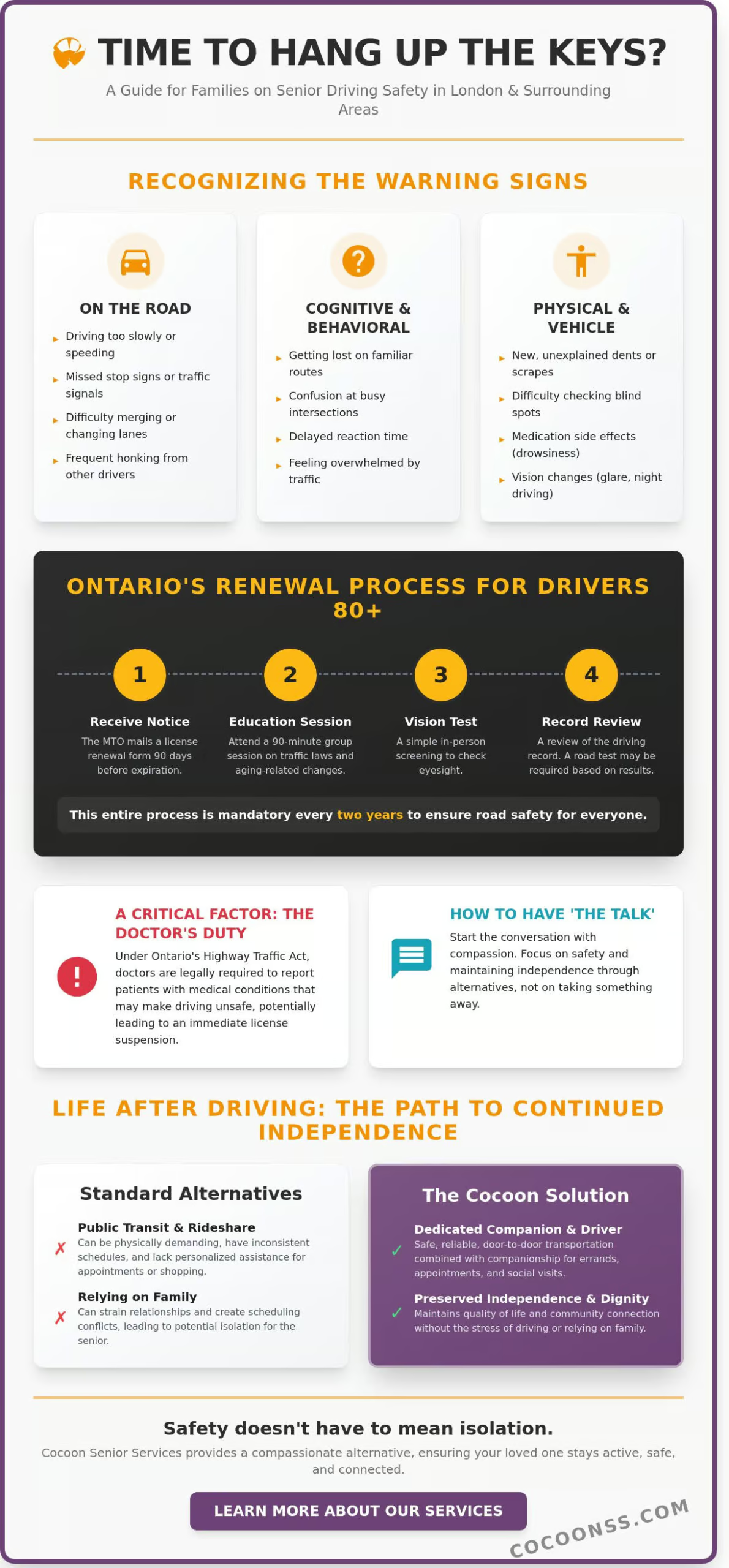
The transition from driver to passenger is one of the most difficult shifts an older adult will face. It represents a loss of independence that many fight to keep. However, safety must remain the priority. You might notice your parent returning from a trip to Masonville Mall with a new scrape on the bumper or perhaps they seem unusually flustered after a short drive to Victoria Hospital. These aren’t just moments of bad luck; they’re often the first indicators that things are changing. Recognizing these red flags early allows you to approach the situation with facts rather than just emotions. When you start asking yourself, is it time to take the car keys away from your aging parent and how to have that conversation, you need to look for patterns of behavior over a 30 day period.
Observation is your most effective tool. Watch how other drivers react to your parent on the road. Frequent honking from others or cars constantly passing them on Wharncliffe Road suggests your parent may be driving too slowly or failing to maintain their lane. Check the vehicle for unexplained "garage rash" or dents on the passenger side. These often indicate a loss of spatial awareness or difficulty judging distances while parking. Research into the risks associated with older drivers shows that while experience is high, reaction times naturally decline, making split-second decisions at busy London intersections much more dangerous.
The Subtle Signs of Cognitive Decline
Cognitive changes often manifest as a decrease in processing speed. In London and surrounding areas, making a left turn across lanes of traffic requires high-level multi-tasking. If your parent hesitates too long or misses clear gaps in traffic, their brain may be struggling to process the speed of oncoming vehicles. Getting lost on familiar routes is another major cue. If a routine trip to the local grocery store results in a phone call because they’ve ended up on the 401 by mistake, it’s a clear sign of a safety gap. Cocoon emphasizes that a single "bad day" isn’t the metric; you’re looking for a consistent trend where the driver feels overwhelmed by modern GPS systems or heavy traffic flow.
Physical Changes That Impact Safety
Physical limitations can be just as restrictive as cognitive ones. Arthritis in the neck or shoulders makes checking blind spots nearly impossible, which is a leading cause of side-swipe accidents. Vision also changes significantly with age. Glare sensitivity becomes a major hurdle during night driving, especially with the bright LED headlights common on London streets today. Additionally, common medications for blood pressure or sleep can linger in the system, reducing alertness by up to 25 percent the following morning. Cocoon suggests keeping a log of these physical hurdles to help guide the family discussion. Knowing if it is time to take the car keys away from your aging parent and how to have that conversation starts with having these concrete observations ready to share with love and clarity.
Understanding Ontario Driving Regulations for Seniors
Ontario road safety laws are clear. Drivers aged 80 and older must renew their licenses every two years. This cycle ensures that everyone on the road in London and surrounding areas remains protected. The Ministry of Transportation (MTO) focuses on fitness rather than age alone. However, physical and cognitive changes can happen quickly. Understanding these rules helps you decide if it is time to take the car keys away and how to have that conversation before a crisis occurs.
Physicians play a critical role in this transition. Under the Highway Traffic Act, Ontario doctors are legally required to report any patient who has a medical condition that may make it dangerous to drive. This report often leads to an immediate license suspension. It’s different from a voluntary surrender, where the senior chooses to give up their license on their own terms. Choosing to surrender can feel like a loss of freedom, but it often preserves dignity and prevents the trauma of a mandatory revocation by the state.
The MTO Renewal Process for Drivers 80+
The renewal starts with a 90 minute group education session. This meeting reviews updated road rules and safety strategies tailored for aging eyes and ears. After the session, seniors undergo a vision test and a cognitive screening known as the clock drawing test. This simple exercise helps officials identify potential issues with spatial awareness or memory. If the results are unclear, the MTO may request a formal road test or a detailed medical report from a specialist. The Ontario senior driving assessment is a safety-first evaluation rather than a punishment.
Legal and Insurance Implications of Unsafe Driving
Ignoring signs of driving impairment carries heavy risks for the whole family. If a senior is involved in an accident and was previously deemed unfit, insurance companies can cancel the policy instantly. This leaves the family responsible for C$1,000,000 or more in potential liability claims. Beyond the financial cost, there’s the emotional weight of a preventable tragedy. When determining if it is time to take the car keys away from aging parent and how to have that conversation, you must weigh these legal exposures against their desire for independence.
Exploring Senior Home Care Services in London, Ontario can provide safer transportation alternatives that keep your loved one active without the risks of the road. Cocoon Senior Services helps families navigate these difficult transitions by providing reliable support and peace of mind for the entire family unit.
How to Have ‘The Talk’: A Step-by-Step Script for London Families
Deciding if it’s time to take the car keys away from aging parent and how to have that conversation requires a delicate balance of logic and love. Timing is everything. You shouldn’t start this dialogue immediately after a near-miss or a stressful drive home from a grocery run at the Remark on Oxford Street. Choose a quiet, low-stress afternoon when you’re both relaxed. This allows for a calm exchange rather than a defensive argument.
The goal is to focus on the "why" rather than the "what." This isn’t about losing a license; it’s about preserving a high quality of life and ensuring longevity. Sometimes, bringing in an objective third party helps. A family doctor in London can provide a clinical perspective on reaction times or vision changes. In Ontario, physicians are actually required to report drivers who may be at risk to the Ministry of Transportation. Shifting the "villain" role to a medical professional or provincial guidelines can preserve your personal relationship.
-
Choose a neutral location where they feel comfortable.
-
Keep the group small; a "pile-on" feels like an intervention.
-
Focus on safety and the desire to have them around for many more years.
-
Use "I" statements to own your feelings.
Starting the Conversation with Empathy
Approach this with the same care you’d use for any major life transition. Avoid confrontational language. Don’t "parent" your parent. Instead, use specific observations to ground the talk in reality. You might say: "I’ve noticed you seem stressed when driving on Highbury Ave; I want to make sure you stay safe." This focuses on your concern for their well-being. Acknowledge the grief. Losing the ability to drive feels like losing a piece of oneself. It’s a significant shift in independence that deserves respect and emotional space.
Addressing Objections and Fears
Fear of isolation is the biggest hurdle for seniors in London and surrounding areas. Most worry they’ll be stuck at home, unable to visit friends or get to appointments. Come prepared. Create a pre-planned transportation list including London Transit, local specialized transit, and Cocoon services that offer accompanied transportation. Knowing that help is available makes the transition feel less like a loss and more like a change in routine.
Frame the change as a proactive, dignified choice. Suggest a "driving retirement" trial period. Ask them to try using alternative transport for two weeks while keeping the car in the driveway. This lowers the stakes. It allows them to see that life continues without the stress of navigating London traffic. Transitioning to a passenger role can actually increase social engagement. They’re free to look at the scenery and chat rather than gripping the wheel. If you need more resources on managing these transitions, you can find community support through the Cocoon Facebook page.
Life After the Driver’s License: Transportation Options in London
"Driving retirement" is a planned transition to a more supported lifestyle rather than a sudden loss of independence. Once you decide is it time to take the car keys away and how to have that conversation, the next step involves exploring the practical resources available in London and surrounding areas. London Transit (LTC) provides a reliable foundation with a fleet of 100% low-floor buses, which makes boarding easier for those with minor mobility challenges. A standard cash fare is C$3.00, though seniors can access discounted passes to keep costs low.
While the LTC is affordable, the fixed routes don’t always align with a senior’s specific needs, especially during harsh Ontario winters. Specialized Paratransit services offer door-to-door support for those who qualify through an application process. You should plan for a 24-hour booking window, and pickup times may fluctuate by 20 to 30 minutes. This service is essential for those using wheelchairs, providing a level of safety that standard buses cannot always guarantee.
Navigating Public and Private Transit
Rideshare apps like Uber or Lyft offer on-demand convenience, but they often present hurdles. Many seniors struggle with the tech interface or require physical assistance that a standard rideshare driver isn’t insured to provide. Private senior shuttles in London bridge this gap by offering "arm-through-arm" service. These private options typically cost between C$45 and C$80 per round trip, depending on the distance and level of care required. Staying mobile is vital for physical health; you can see how transportation facilitates engagement by reviewing these Senior Wellness Programs in London, Ontario.
The Social Impact of Driving Cessation
The emotional weight of giving up the keys often stems from a fear of isolation. In London, local hubs like the Kiwanis Seniors’ Community Centre or the Boys and Girls Club (Middlesex) offer group transportation for their programs. Without these social outlets, the risks are high; social isolation is linked to a 50% increased risk of dementia among older adults. Volunteer driver programs, managed by local community support agencies, provide a compassionate alternative. These volunteers don’t just drive; they offer companionship during trips to the grocery store or medical appointments.
Cocoon recognizes that every senior’s journey is unique. If your family is currently debating taking the car keys away, look at the transition as an opportunity to build a new routine. Professional support ensures your loved one stays connected to the city they love without the stress of the driver’s seat.
Learn how Cocoon Senior Services supports aging in place.
How Cocoon Senior Services Supports Independence Without the Driver’s Seat
Deciding if** it’s time, **is one of the most difficult milestones a family faces in London and surrounding areas. It often feels like a choice between safety and freedom. Cocoon changes that narrative. We don’t just provide a taxi service; we offer a dedicated companion who ensures your loved one remains an active, engaged member of the community. Transitioning out of the driver’s seat doesn’t mean losing the ability to visit a favorite cafe or attend a local event.
Beyond Transportation: The Cocoon Difference
Standard ride-sharing apps or traditional taxis leave seniors at the curb, which can be a significant barrier for those with mobility or cognitive challenges. Cocoon is different because our staff provides door-to-through-door service. We assist with the physical movement of getting in and out of the car safely, a practice that can reduce the risk of accidental falls during outings by up to 35 percent. Once at the destination, we don’t just wait in the car. We navigate the grocery aisles, stand by during medical check-ups, and help carry bags directly into the kitchen. A completely supported trip.
Transparency is a core part of our service. After every outing, we provide family members with detailed updates. You’ll know how the appointment went, what was purchased at the store, and even the general mood of your parent. This level of detail offers peace of mind that a simple "they arrived safely" text cannot match. You can see our compassionate approach and meet our team virtually by visiting our YouTube channel.
Taking the First Step Toward a Safer Future
When Cocoon handles the logistics, the family dynamic shifts for the better. You no longer have to spend your limited time together acting as a chauffeur or worrying about traffic. Instead, you can focus on quality conversation and shared experiences. Our personalized care plans are designed to adapt. Whether your parent needs a weekly trip to the market or daily assistance with social visits, supported trips to appointments, our team scales the support to match their specific lifestyle in London and surrounding areas.
We invite families to book a consultation to discuss a custom transportation and care plan. We focus on the "whole person," ensuring they don’t just get from point A to point B, but feel supported and respected throughout the journey. Following our latest updates and community tips on Facebook can help you stay informed about senior safety. Addressing the question of whether it **is it time to take the car keys away **is much easier when you can offer a premium, reliable alternative that keeps their social life thriving.
Embracing a New Chapter of Mobility and Safety
Deciding **is it time to take the car keys away, **requires a balance of safety and deep respect. You’ve identified the red flags, like unexplained vehicle damage or missed traffic signals, and explored the Ontario Ministry of Transportation’s 80+ Senior Driver Renewal Program which mandates screening every two years. Transitioning away from the steering wheel isn’t an end to independence; it’s a shift toward a supported way of living. London and surrounding areas offer many pathways to stay connected to the community without the stress of city traffic.
Cocoon Senior Services brings certified dementia and Alzheimer’s care expertise to every interaction, ensuring your loved one feels empowered rather than restricted. We focus on dignity and independence for every senior, providing personalized companionship that makes every outing an enjoyable experience. Our team understands the local landscape and the emotional weight of these changes. We’re here to bridge the gap between safety and the lifestyle your parent deserves.
Book a Free Consultation with Cocoon Senior Services to help your parent stay mobile and safe. It’s time to replace the worry of the road with the comfort of professional, compassionate support.
Frequently Asked Questions
How do I legally report an unsafe senior driver in Ontario?
You can report an unsafe driver by submitting a written letter to the Ministry of Transportation’s Driver Improvement Office. This report must include the driver’s name, license number if possible, and specific safety concerns you’ve witnessed. While the MTO keeps your identity confidential, they require factual evidence of impaired driving to initiate a review.
What are the first signs that a parent with dementia should stop driving?
Frequent confusion on familiar routes and slow reaction times are the earliest indicators of danger. If you notice 2 or 3 new dents on their vehicle or they struggle to navigate intersections they’ve used for 20 years, it’s time to take the car keys away and have that conversation. Safety experts suggest that even mild cognitive impairment can increase accident risk by 25%.
Are there specialized driving assessments for seniors in London, Ontario?
London residents can access specialized evaluations at the Parkwood Institute’s Driver Assessment Rehabilitation Program, which is part of St. Joseph’s Health Care. This MTO-approved facility conducts vision, cognitive, and on-road tests for a fee of approximately C$600 to C$800. These assessments provide an objective perspective that helps families make difficult decisions without feeling like the "bad guy."
How can I convince my parent to stop driving if they are resistant?
Focus on their legacy of safety and the well-being of others in the community during your talk. You might suggest a "driving retirement" plan where they transition to professional support from Cocoon Senior Services. Research shows that 70% of seniors are more likely to listen to a medical professional, so involving their family doctor can help bridge the gap during these emotional discussions.
Does insurance cover accidents if a senior has a known medical condition?
Insurance companies may deny coverage if a driver fails to disclose a medical condition that affects their ability to operate a vehicle safely. Under Ontario law, drivers must report health changes to the MTO within 10 days. If an accident occurs and a known condition like advanced dementia was hidden, the insurer can void the policy, leaving the family liable for C$1,000,000 or more in damages.
What transportation alternatives exist for seniors in London and surrounding areas?
London and surrounding areas offer several options, including the London Transit Commission’s specialized paratransit service for those with mobility challenges. For a more personalized experience, Cocoon provides dedicated companion transportation. This ensures your parent isn’t just dropped off at a curb but is safely escorted into their appointment, maintaining their dignity and comfort.
Can a doctor take away a senior’s driver’s license in Ontario?
Doctors in Ontario are legally required to report patients who have medical conditions that make it dangerous to operate a motor vehicle. Under Section 203 of the Highway Traffic Act, a physician must notify the Ministry of Transportation if they believe a patient is unfit. The MTO then makes the final decision to suspend the license, which removes the burden of the decision from the family.
How much does it cost to hire a companion for transportation in London?
Professional companion services in London typically cost between C$30 and C$50 per hour depending on the level of care required. Cocoon Senior Services offers tailored packages that provide more than just a ride; we offer emotional support and physical assistance during the outing. Investing in this service provides peace of mind for the family and ensures the senior remains active in the community.
Disclaimer
We aim to provide helpful guidance for seniors and families, but this content should not replace professional medical advice. Some links may be affiliate links, and we are not responsible for third-party content.