Managing Aggression in Dementia: Practical Tips for Families in London and Surrounding Areas
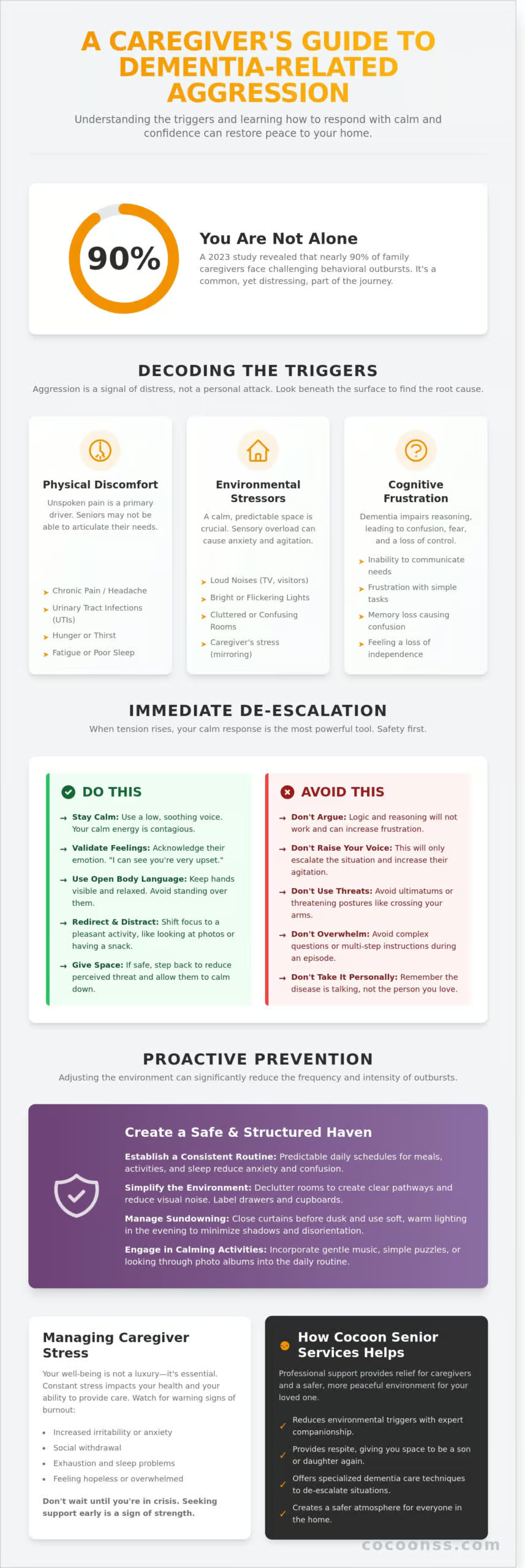
Last Tuesday, Sarah stood in her kitchen in London, frozen as her father, usually the gentlest man, shouted words she’d never heard him use before. It’s a moment that leaves you breathless, heart racing, and wondering where the person you love went. You aren’t alone in feeling that surge of fear or the heavy guilt that follows when you feel resentful. A 2023 study showed that nearly 90% of family caregivers face these challenging outbursts at some point. It’s exhausting to provide constant care while worrying about your safety. We’ve gathered essential Tips When dementia patients get aggressive to help you navigate these storms and bring peace back to your home.
At Cocoon, we know these behaviors are often a cry for help rather than a personal attack. You’ll learn how to spot the root causes of anger and master immediate techniques to lower the tension. We’ll also explore how a structured plan with professional support in London and surrounding areas can prevent future incidents, giving you the space to breathe again and focus on being a daughter or son rather than just a 24/7 caregiver.
Key Takeaways
- Understand that aggression is often a reaction to physical discomfort or pain, allowing you to respond with empathy rather than taking the behaviour personally.
- Discover practical tips when dementia patients get aggressive, including the ‘Stay Calm’ protocol which uses a soothing voice and open body language to de-escalate tension.
- Learn how to adjust the home environment in London and surrounding areas to manage sundowning symptoms and establish a consistent routine that reduces anxiety.
- Identify the warning signs of caregiver burnout and find out why many families wait too long to seek the support they need to maintain their own well-being.
- Explore how professional companionship from Cocoon Senior Services can reduce environmental triggers and provide a safer, more peaceful atmosphere for your loved one.
What Causes Aggression in Dementia Patients? Decoding the Triggers
Aggression isn’t a symptom of a mean spirit. It’s a signal. When a senior with dementia lashes out, they’re often trying to communicate a need they can’t put into words. It’s vital for families to realize this isn’t a personal attack. Instead, it’s a reaction to internal or external distress. Understanding these roots is the first step in finding effective Tips When dementia patients get aggressive. Cocoon Senior Services focuses on identifying these underlying causes to restore peace to the household
Clinical Agitation in dementia often stems from a loss of control. In the middle to late stages, the brain struggles to process information. This leads to profound frustration. A simple task like getting dressed can feel like an impossible puzzle, triggering a sudden outburst. Cocoon emphasizes that looking beneath the surface of the behavior reveals the true cause. Whether it’s a confusing shadow or a misplaced item, the trigger is real to the person experiencing it.
Physical Discomfort and Unmet Needs
Physical pain is a silent driver of anger. Many seniors can’t articulate that they have a headache or a sore joint. A common but overlooked trigger is a Urinary Tract Infection (UTI). In older adults, a UTI doesn’t always cause a fever; it often causes sudden confusion and hostility. Hunger, thirst, or poor sleep also strip away emotional reserves. Routine medical check-ups in London and surrounding areas help catch these issues before they escalate into behavioral crises. Cocoon recommends keeping a simple log of food intake and sleep patterns to spot trends that lead to agitation.
Environmental Stressors in the Home
The home environment plays a massive role in behavior. Loud televisions, bright overhead lights, or a house full of visitors can cause sensory overload. A cluttered room isn’t just messy; it’s a source of anxiety for someone who can no longer map their surroundings easily. There’s also the mirroring effect. If a caregiver is stressed or rushing, the senior picks up on that tension. They mirror that energy, which often leads to a lash-out. Creating a calm, predictable space is one of the most practical Tips When dementia patients get aggressive. Small changes, like lowering the volume of background noise or simplifying a room’s layout, make a world of difference for families.
Immediate De-escalation Tips When Dementia Patients Get Aggressive
Safety is the foundation of care. When a situation escalates in a household. Research indicates that nearly 90% of people living with dementia will experience some form of behavioral challenge, including physical or verbal outbursts. Understanding these Tips When dementia patients get aggressive can help you regain control of the environment without escalating the tension.
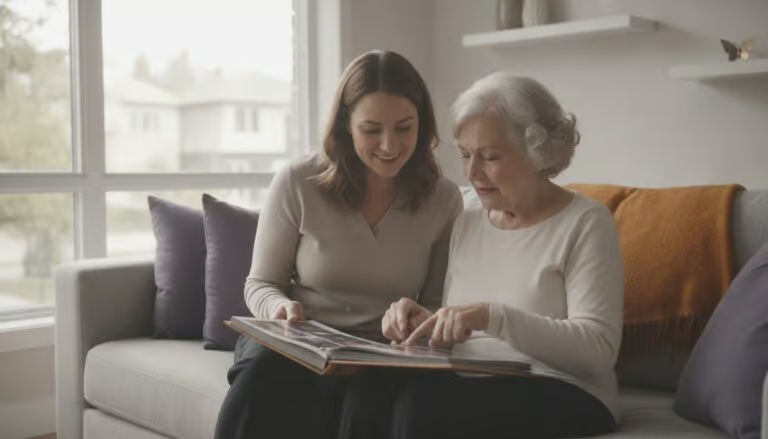
The "Stay Calm" protocol is your most effective tool. Use a low, soothing voice and maintain open body language by keeping your hands visible and relaxed. Avoid crossing your arms or standing over the individual, as these postures can feel threatening. Logic often fails during these episodes because the brain’s reasoning center is significantly impacted by the disease. Coping with aggression requires you to meet the person where they are emotionally rather than trying to correct their facts. If they’re upset about a "lost" item that never existed, help them look for it instead of explaining why it isn’t there. Redirection is a powerful way to shift focus. Suggesting a simple activity, like looking at a photo album or having a small snack, can often break the cycle of frustration.
Communication Techniques that Work
Validation is the cornerstone of effective communication. Acknowledge the person’s feelings without judgment. If they’re shouting, you might say, "I can see that you’re very angry right now," which helps them feel heard. Keep your instructions incredibly simple; provide only one step at a time to avoid overwhelming their processing abilities. Sometimes, the best response is no response at all. Using silence for 30 to 60 seconds can lower the emotional temperature of the room and give the senior the space they need to breathe. These practical Tips When dementia patients get aggressive emphasize connection over conflict.
Safe Physical Responses
Physical safety requires proactive environmental management. Give the individual plenty of personal space; crowding someone who feels cornered can trigger a fight-or-flight response. Ensure that potential hazards, such as heavy décor or sharp objects, are kept out of reach in common living areas. If the situation becomes too intense, it’s perfectly acceptable to step out of the room for a few minutes. This brief separation ensures your safety and often allows the senior’s agitation to subside naturally. For more daily support and community resources, you can connect with us on our Facebook page to see how Cocoon Senior Services supports families in our region.
Proactive Prevention: Adjusting the Home Environment in London and Surrounding Areas
Creating a calm environment is the first step in reducing friction. For families. The home must serve as a predictable refuge. When a living space is cluttered or loud, it triggers sensory overload. This confusion often leads to outbursts. One of the most effective Tips When dementia patients get aggressive is to simplify the physical world around them. Removing patterned carpets that look like holes or clearing hallways of obstacles can prevent the fear that sparks defensive behavior. A consistent daily flow helps a senior feel in control of their surroundings.
Meaningful engagement is equally vital. Boredom isn’t just dull; it’s a catalyst for agitation. Integrating simple tasks like folding laundry or sorting large buttons keeps hands busy and minds focused. These activities provide a sense of purpose that discourages restless energy from turning into anger. Physical movement plays a role here too. A short walk in a local park or gentle stretching in the living room can significantly lower stress levels for everyone in the house.
Managing the ‘Witching Hour’ or Sundowning
Late afternoon often brings a shift in mood known as sundowning. As natural light fades in Southwestern Ontario, shadows stretch across rooms, causing genuine terror for those with cognitive decline. You should close the curtains by 4:00 PM during the winter months to maintain a consistent visual environment. Increase indoor lighting to eliminate dark corners. Research into the management of aggression in dementia suggests that environmental triggers are often the root of evening distress.
Dietary choices also impact this transition. It’s best to limit caffeine and high-sugar snacks after 1:00 PM. Instead, try playing soft, familiar music or using lavender scents to signal that the day is winding down. These sensory cues help the brain move into a rest state without the spike in anxiety that often leads to physical or verbal aggression.
Simplifying Daily Routines
Frustration often stems from a loss of independence. Using clear visual cues, such as a picture of a plate on the kitchen door, helps seniors navigate their home without asking for help constantly. It’s about preserving dignity through design. When tasks become too complex, when patients get aggressive usually point back to simplifying the steps involved. Break down morning hygiene or dressing into single, manageable actions.
Maintaining a steady schedule for meals and medication is essential for emotional stability. Cocoon Senior Services can assist with professional meal preparation to ensure nutritional needs are met at the same time every day. This consistency prevents the "hangry" irritability that can escalate into a crisis. By outsourcing these high-stress tasks, family caregivers can focus on providing emotional support rather than managing a kitchen. Regular, gentle exercise during the day further supports this routine, leading to better sleep quality and a more balanced mood throughout the week.
Managing Caregiver Stress and Burnout in London, Ontario
Caring for a family member with cognitive decline is a journey that requires immense resilience. In London and surrounding areas, many families find themselves navigating the complexities of behavioral changes without realizing the weight it places on their own health. If you are searching for Tips When dementia patients get aggressive, you have likely reached a stage where the daily routine feels heavy. Fatigue does not just look like tiredness. It manifests as chronic irritability, a feeling of withdrawal from social circles, and a persistent sense of exhaustion that sleep cannot fix.
Data from the Canadian Institute for Health Information (CIHI) indicates that 45 percent of caregivers for seniors with dementia experience high levels of distress. This is nearly double the rate of those caring for seniors without cognitive impairment. Despite these statistics, families in the London area often wait too long to ask for help. There is a common misconception that seeking support is a sign of failure. In reality, prioritizing your own well-being is a strategic move to preserve the quality of care your loved one receives over the long term. Respite care is not a luxury; it is a necessity for maintaining a sustainable home environment.
The Emotional Toll of Dementia Care
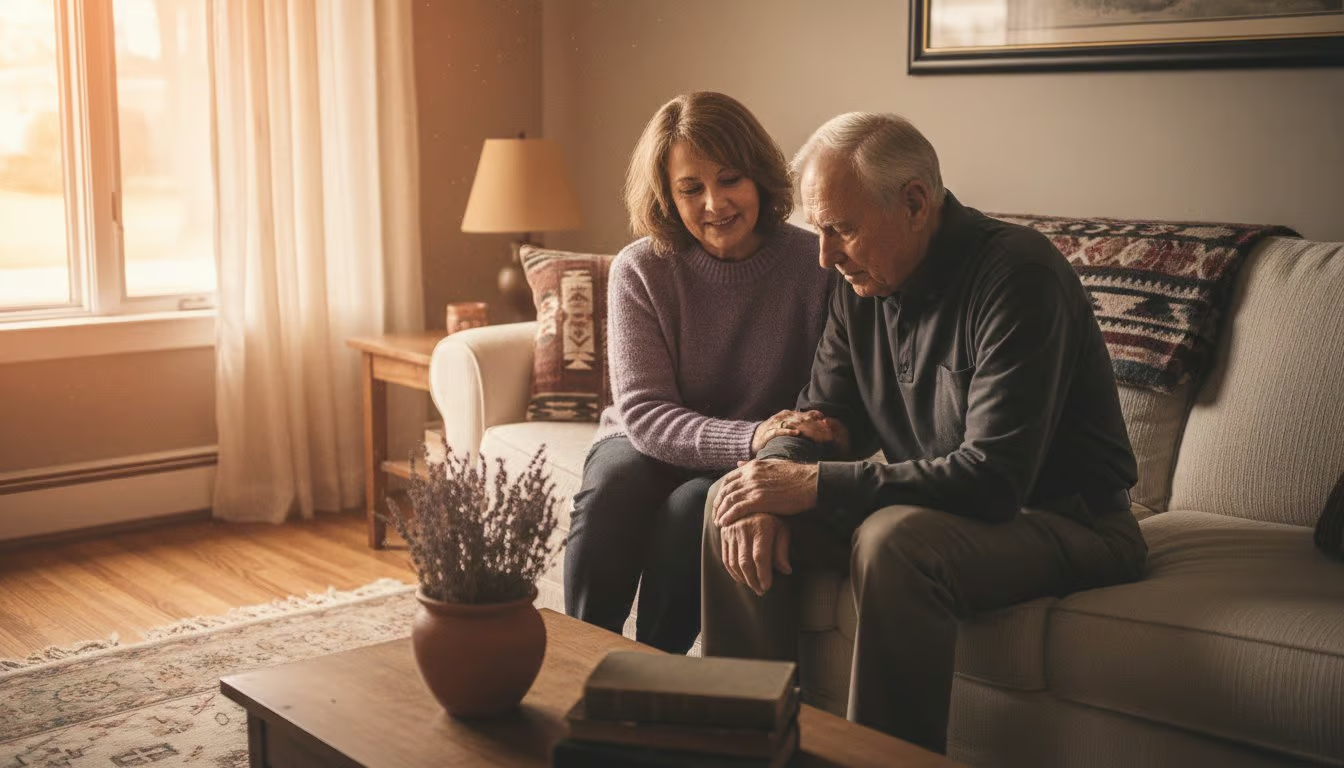
It is natural to feel a mixture of grief and frustration when a loved one’s personality shifts. Watching a parent or spouse become combative is heartbreaking. Validating these feelings is the first step toward finding peace. Connecting with others who understand this specific path is vital for your mental health. Local support groups in London offer a space for shared experiences, helping you realize your situation is not unique. For daily connection and community support, you can visit the Cocoon Facebook page to engage with others in similar situations.
When to Transition to Professional Support
There is a specific tipping point where home safety becomes a primary concern. If a loved one’s aggression leads to physical risks or if you are unable to manage personal care tasks like bathing safely, it is time to consider professional intervention. Professional care at Cocoon Senior Services differs from family care because the team is trained in de-escalation and specialized hygiene techniques. Handing over difficult tasks to a trained professional allows you to return to your role as a daughter, son, or spouse. This shift reduces the friction in the home and restores a sense of calm. Having a professional handle the more challenging aspects of daily life ensures that the time you spend together remains meaningful and focused on connection rather than conflict.
Discover how Cocoon Senior Services can provide the professional support your family needs in London and surrounding areas.
Dementia Care: How Cocoon Senior Services Supports London Families
Families across London and surrounding areas often feel overwhelmed when cognitive decline leads to physical or verbal outbursts. Cocoon Senior Services provides a sophisticated level of support that moves beyond basic supervision. Our dementia care focuses on maintaining the senior’s dignity while providing families with much-needed relief. By bringing a professional into the home, you introduce a fresh perspective that can identify triggers you might have missed. Research from the Alzheimer Society of Canada suggests that structured companionship can reduce behavioral incidents by up to 35% in home settings. This isn’t just about safety; it’s about restoring a sense of peace to your daily life.
Professional companionship is a powerful tool for reducing the frequency of difficult episodes. When a trained caregiver from Cocoon enters the home, they bring a calm, objective energy that de-diffuses tension. We create customized care plans that reflect the unique history and preferences of London seniors. These plans aren’t static; they evolve as the senior’s needs change. Having a dedicated professional means there’s always someone looking for the "why" behind a behavior. Whether it’s a reaction to a noisy appliance or a physical discomfort they can’t name, we find the source and address it before it escalates.
Cocoon’s Approach to Behavioral Management
We prioritize meaningful engagement to prevent the frustration that often leads to outbursts. Our staff uses patience and specific de-escalation techniques to handle difficult moments with grace. One of the most practical Tips When dementia patients get aggressive is to validate their feelings rather than correcting their reality. Cocoon caregivers are experts at this gentle redirection. We focus on what the senior can still do, which builds confidence and reduces the anxiety that fuels aggression. You can watch our approach to care on the Cocoon YouTube channel to learn more about our philosophy of engagement and respect.
Getting Started with Support in London and Surrounding Areas
Starting with Cocoon is a straightforward process designed to lower your stress levels immediately. We offer a free consultation to evaluate the home environment. During this visit, we often identify hidden environmental triggers. Sometimes, simple changes, like adjusting a C$40 hallway light to reduce shadows or removing a confusing patterned rug, can significantly lower agitation. These small adjustments are often the best Tip, because they prevent the confusion from starting in the first place.
We work with your existing schedule to ensure our presence feels like a natural addition to the family routine. Professional intervention doesn’t mean losing control of your loved one’s care; it means gaining a partner who understands the complexities of memory loss. Integrating our services is seamless, allowing you to return to being a daughter, son, or spouse rather than a full-time crisis manager. Taking the first step toward a more peaceful home life is as simple as reaching out for a conversation. Let Cocoon help you create a more stable, supportive environment for your loved one today.
Restore Harmony to Your Daily Care Routine
Managing dementia requires patience and a deep understanding of the triggers behind sudden behavioral changes. You’ve now gained practical tools to decode environmental stressors and implement immediate de-escalation. It’s vital to remember that these outbursts aren’t personal; they’re usually a reaction to physical discomfort or sensory overload. Adjusting your home to prioritize quiet and safety can reduce these incidents by a significant margin. Small changes in lighting or noise levels often make a world of difference in daily comfort.
You don’t have to navigate these complex challenges alone. Cocoon Senior Services provides a localized approach with certified dementia and Alzheimer’s care professionals who understand the specific needs of families. Our team crafts personalized care plans that center on dignity and safety, ensuring your loved one feels secure while you regain your peace of mind. We believe every family deserves a path toward a more peaceful life at home.
Take the first step toward a more manageable and supportive care environment today. Book a Free Care Consultation with Cocoon Senior Services to see how we can help your family thrive and find balance again.
Frequently Asked Questions
Is it normal for dementia patients to become suddenly aggressive?
It’s very common for dementia patients to experience sudden outbursts; research shows that 90% of individuals with this condition will display some form of aggression. These moments aren’t a choice or a personal attack. Instead, they’re often triggered by physical discomfort, a noisy environment, or frustration from being unable to speak. Understanding that the brain’s frontal lobe is changing helps families react with more patience and less personal hurt during difficult episodes.
What should I do if a loved one with dementia tries to hit me?
You should step back immediately and give your loved one at least 2 meters of personal space. Never try to physically restrain them, as this usually makes the situation much worse. One of the best tips when dementia patients get aggressive is to keep your hands visible and speak in a soft, steady voice. If you feel unsafe, leave the room and close the door until the immediate physical threat has passed.
Can certain medications cause or worsen aggression in seniors?
Yes, medications like certain antidepressants, blood pressure pills, or even simple cold remedies can cause increased confusion and irritability. A 2023 medical review found that seniors taking 5 or more different prescriptions are at a higher risk for drug interactions that manifest as aggression. It’s vital to have a London pharmacist review their current regimen to ensure that their medications are helping rather than hurting their emotional stability.
How do I handle verbal abuse from a parent who has Alzheimer’s?
The most effective way to handle verbal abuse is to stop trying to use logic or reason with them. When a parent with Alzheimer’s lashes out, they’re often reacting to a world that no longer makes sense. Don’t argue back; instead, acknowledge their feelings by saying something like, "I can tell you’re frustrated." Take a short break in another room to stay calm, as your stress can inadvertently fuel their agitation.
When is aggression a sign that it’s time for professional home care?
Professional home care becomes necessary when aggressive episodes occur 3 or more times a week or if the caregiver’s health begins to decline. Statistics show that 60% of family caregivers experience clinical depression or physical injury. Bringing in professional teams ensures your loved one receives high-quality care while you get the essential rest you need to stay healthy.
What is the best way to respond to sundowning?
You can manage sundowning by closing the blinds and turning on bright, warm indoor lights at 4:00 PM to prevent confusing shadows. London’s long, dark winter afternoons often trigger "late-day confusion" in many seniors. We suggest keeping a consistent daily schedule and avoiding caffeinated drinks after 11:00 AM. Providing a familiar, soothing activity like folding warm towels can help ground them as the sun begins to set.
How can Cocoon Senior Services help with aggressive dementia behaviours?
Cocoon Senior Services provides customized care plans that focus on identifying and removing the specific triggers that lead to outbursts. Our team is trained in de-escalation techniques and behavioral management. We offer practical tips when dementia patients get aggressive and provide consistent, professional support in London and surrounding areas. This approach reduces the frequency of crises and helps restore a sense of calm and predictability to your home environment.
Are there local support groups in London for dementia caregivers?
You can find excellent support through the Alzheimer Society Southwest Partners, which hosts regular meetings for families in London and surrounding areas. These groups provide a safe space to share experiences with others who face similar daily challenges. Cocoon also recommends local community centers that offer specialized programs. Combining these social support networks with professional care from Cocoon ensures that you don’t have to navigate the complexities of dementia alone.
Disclaimer
We aim to provide helpful guidance for seniors and families, but this content should not replace professional medical advice. Some links may be affiliate links, and we are not responsible for third-party content.