
UTI Dangers for London & St Thomas Seniors: Stay Safe
Your mother sits in her favourite chair, the morning light catching the steam from her tea. Suddenly, she doesn’t recognize the room she has lived in for decades. This sudden shift is heart-wrenching for any family member. You might immediately fear a stroke or the rapid onset of dementia. However, the dangers of UTI often mask themselves as cognitive decline in older adults, turning a peaceful home into a place of uncertainty. We know you want your loved one’s environment to remain a sanctuary of grace and safety.
It’s natural to feel overwhelmed when hygiene becomes difficult or when health changes happen overnight. You’ll learn to spot the subtle, non-physical symptoms of infection before they lead to a hospital visit. We also explore how Cocoon Senior Services provides the gentle, consistent care in London and St. Thomas needed to prevent these complications from taking root.
Key Takeaways
- Recognize that the dangers of UTI extend beyond simple discomfort, often serving as a primary cause of hospitalization for seniors in Ontario.
- Learn to identify “silent” signs such as sudden confusion or unexplained falls, which are frequently mistaken for typical age-related decline.
- Discover how meticulous personal hygiene and thoughtful hydration strategies can create a protective barrier against recurring infections in the home.
- Understand how professional in-home support in London and St. Thomas provides the gentle vigilance needed to catch subtle health changes before they become a crisis.
Beyond the Burn: Understanding the Serious Dangers of UTI for Seniors
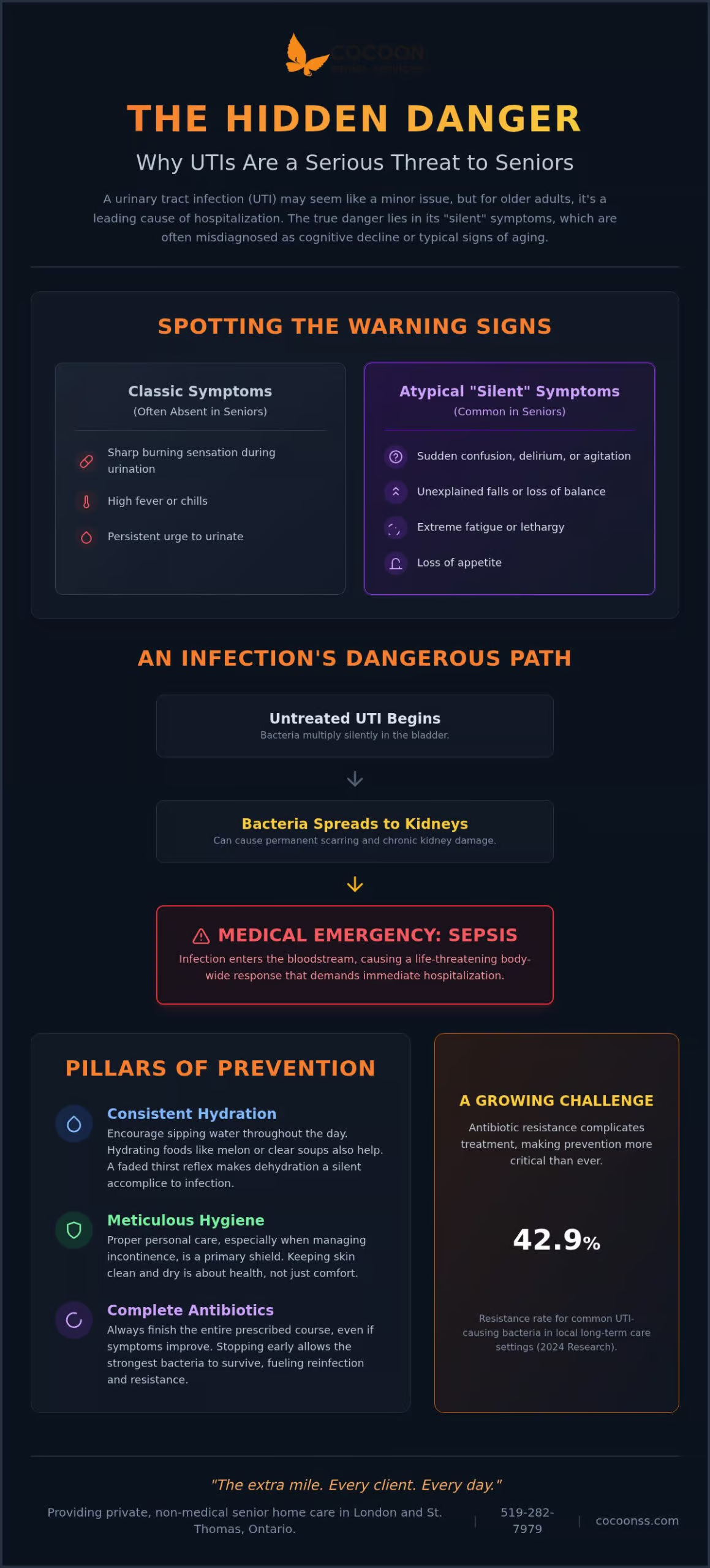
In our years of serving families in London and St. Thomas, we’ve seen how a minor health concern can quickly escalate into a medical emergency. While many younger adults view a urinary infection as a temporary discomfort, it’s actually a leading cause of hospitalization for seniors across Ontario. Understanding Urinary Tract Infections is vital because an aging immune system doesn’t always signal trouble with a clear fever. Instead, the body’s response is often muted or delayed. This allows bacteria to multiply silently, turning the dangers of UTI from a nuisance into a systemic threat.
To better understand the physiological impact of these infections on older bodies, watch this helpful video:

When a Simple Infection Becomes a Crisis: Sepsis and Kidney Health
If left unchecked, bacteria can travel up the ureters, causing permanent scarring or chronic damage to the kidneys. Sepsis is the body’s life-threatening, scorched-earth response to an untreated urinary infection that has entered the bloodstream. This condition, often called urosepsis, is a medical emergency that demands immediate intervention. It’s a heavy toll on a senior’s vitality, often leading to a long, difficult recovery period that could’ve been avoided with early vigilance.
We also see a rising challenge with antibiotic resistance in local long-term care settings. Research from 2024 indicates a 42.9% resistance rate for common UTI-causing bacteria, which complicates treatment significantly. This makes prevention through proper hygiene even more essential. By focusing on “the extra mile” in our personal care at Cocoon Senior Services, we help our clients maintain their health and avoid the cycle of recurring infections. Understanding the dangers of UTI is the first step toward better home safety.
The “Silent” Signs: Identifying Atypical UTI Symptoms in Aging Parents
Classic symptoms like a sharp burning sensation or a high fever often vanish as we age. In seniors, the body’s inflammatory response is different. This is one of the most frightening aspects of the dangers of UTI; the infection can be well-advanced before anyone realizes there’s a problem. Instead of pain, you might notice your parent is suddenly unsteady on their feet. Unexplained falls in the home are frequently the first outward sign that an infection is affecting their balance and neurological state.
Lethargy and a sudden loss of appetite are also common red flags. If your loved one is sleeping significantly more than usual or turning away their favourite meals, it’s time to look closer. During personal care, notice if the urine has a strong, pungent odour or a dark, cloudy appearance. Following guidelines for UTI Prevention involves catching these subtle shifts early. Our caregivers are trained to go the extra mile in observing these changes during daily routines.
Confusion and Delirium: Why UTIs Often Look Like Dementia
An infection can trigger sudden delirium, a state of acute confusion that mimics the later stages of memory loss. Unlike the slow, years-long progression of Alzheimer’s, UTI-related confusion happens over hours or days. You might see sudden agitation or a complete loss of focus. For families already managing Specialized Dementia & Alzheimer’s Care in London, ON, this overlap is particularly confusing. Look for a rapid onset of “brain fog,” sudden personality shifts, or increased wandering. If you’re worried about these changes, we offer support for family caregivers to help you navigate these difficult moments with grace and expert guidance.
Prevention and Care: How to Protect Your Loved One at Home
Prevention starts with the small, quiet rituals of daily life. For many seniors, the natural thirst reflex fades, making dehydration a silent accomplice to infection. We encourage sipping water throughout the day, perhaps infused with cucumber or berries to make it an inviting experience. Offering hydrating foods like melon or clear soups can also bridge the gap for those who resist drinking plain water. Meticulous hygiene is equally vital, particularly when managing incontinence products. Keeping skin clean and dry isn’t just about comfort; it’s a primary shield against the dangers of UTI.
When an infection does occur, finishing the entire course of antibiotics is non-negotiable. Even if your loved one’s energy returns and symptoms seem to vanish after forty-eight hours, stopping early allows the strongest bacteria to survive. This only fuels the cycle of reinfection and contributes to the high antibiotic resistance rates currently challenging healthcare in Ontario. Consistent, expert observation ensures these treatments are followed exactly as prescribed.
The Role of Professional Personal Care in Preventing Recurrent Infections
Daily vigilance is the bridge between enduring safety and a sudden medical crisis. Our Senior Home Care Services in London, Ontario provide the “eyes on” care that busy families often can’t maintain alone. We offer gentle medication reminders and assistance with personal care that significantly reduces the risk of reinfection. In St. Thomas and Port Stanley, our team helps families avoid the stressful “revolving door” of hospital visits by noticing the tiniest shifts in behaviour or physical state. By going the extra mile, we ensure your home remains a sanctuary of health. Knowing the dangers of UTI means acting before a crisis arrives.
The extra mile. Every client. Every
Protecting Your Loved One’s Comfort and Safety
Understanding that a urinary infection is often a hidden neurological emergency is the first step toward keeping your parent safe. We have seen how recognizing silent signs, like sudden confusion or a loss of balance, can prevent a stressful hospital visit. By prioritizing hydration and meticulous personal care, you create a sanctuary where health and dignity are preserved. You don’t have to carry the weight of vigilance alone. After serving London, St. Thomas, and Port Stanley for over eight years, our award-winning private senior home care team provides the specialized support your family deserves.
If you are worried about a loved one’s health or need professional support with personal care, contact Cocoon Senior Services in London, Ontario today. We help you navigate the dangers of UTI with expert care. Your family’s peace of mind is our priority.
The extra mile. Every client. Every
Frequently Asked Questions
Can a UTI cause sudden confusion or hallucinations in seniors?
Hallucinations and sudden confusion are common indicators of the dangers of UTI in seniors. This state, known as delirium, is often mistaken for dementia, but it happens much faster. An infection can disrupt the brain’s delicate balance, causing your loved one to see things or become uncharacteristically agitated. Spotting this rapid shift allows for quick treatment, restoring their peace and mental clarity at home.
How can I tell if my parent has a UTI if they cannot communicate their pain?
When communication is difficult, you must look for subtle physical and behavioural changes. Watch for a sudden loss of appetite or a significant drop in their energy levels. Notice if their urine has a strong, pungent odour or a cloudy appearance. Unexplained falls or a new sense of unsteadiness are also major warning signs. Our team provides the daily vigilance needed to catch these quiet indicators.
What are the red flags that a UTI has turned into sepsis?
Red flags for sepsis include a high fever, a racing heart, or a sudden, profound drop in body temperature. You might notice your loved one shivering violently or struggling to breathe. If they become impossible to wake or show signs of severe mental distress, seek medical help immediately. This progression is a life-threatening emergency that requires the professional intervention of a hospital setting.
Disclaimer
We aim to provide helpful guidance for seniors and families, but this content should not replace professional medical advice. Some links may be affiliate links, and we are not responsible for third-party content.