

Depression in Older Adults: Support in London & St Thomas
What if those quiet afternoons and persistent physical aches aren’t just a natural part of growing older, but a soft call for help we haven’t yet learned to hear? It’s deeply painful to watch a parent pull away into a world of silence. You might feel a heavy guilt about not visiting enough or feel anxious when medical tests can’t explain their fatigue. We understand that recognizing depression in older adults is the first step toward restoring the warmth and rhythm of their home, ensuring it remains a sanctuary of peace.
This guide will help you distinguish between the expected changes of aging and clinical symptoms that require a gentle hand. You’ll find actionable steps to improve your loved one’s quality of life and discover the specialized mental health resources available right here in London and St Thomas. Together, we can find the path to support their well-being and bring security back to your family.
Key Takeaways
- Learn to recognize that depression in older adults is a biological illness, often hiding behind physical complaints like fatigue rather than typical sadness.
- Discover how the “London winter factor” impacts mental health and explore sensory home improvements that can brighten a loved one’s daily outlook.
- Understand the vital role that consistent, non-medical companionship plays in breaking the cycle of loneliness and restoring a sense of purpose.
- Find out how practical support with medication reminders and meal preparation creates a stable foundation for mental wellness and reduces caregiver anxiety.
Is it Aging or Depression? Recognizing the Hidden Signs
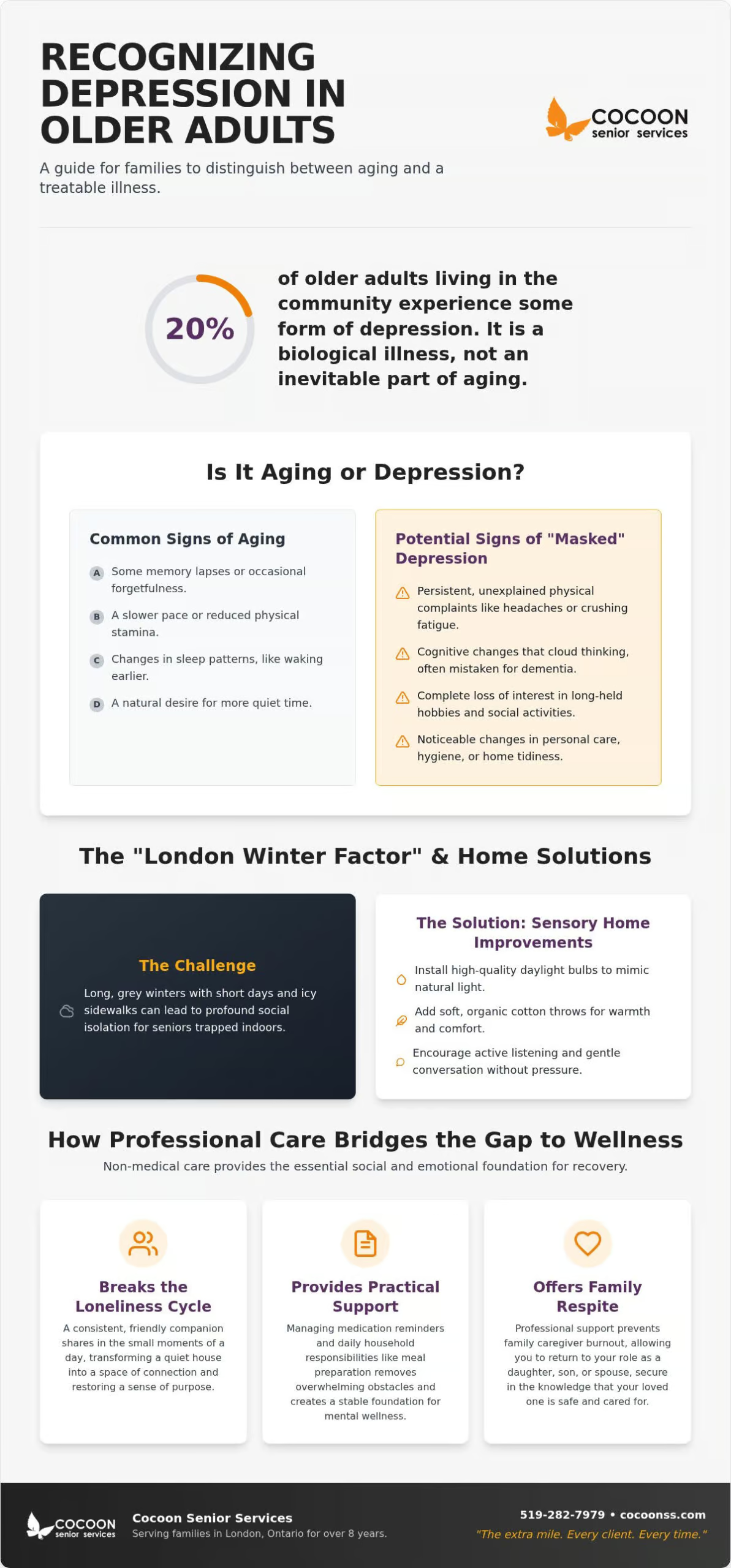
It is a common misconception that losing one’s spark is simply a price of the passing years. In reality, Late-life depression is a biological illness, not a character flaw or an inevitable part of the aging process. Nearly 20% of older adults living in the community experience some form of depression. It is a heavy, invisible weight. It settles into the corners of a home, often remaining unseen by even the most attentive family members.
To better understand how these symptoms manifest and the importance of seeking support, watch this helpful video:

Many seniors experience “masked depression,” where the spirit’s pain speaks through physical complaints. Instead of expressing sadness, they may focus on persistent headaches or crushing fatigue. These are not imagined; they are biological responses to a mood disorder. Similarly, cognitive changes like forgetfulness are often mistaken for early dementia. These lapses in memory can actually be symptoms of a treatable depressive episode that clouds the mind’s natural clarity.
Symptoms That Often Go Unnoticed by Families
The signs of depression in older adults are often woven into the small details of daily life. You might notice a shift in personal care habits, such as skipping a morning shower or wearing the same clothes for days. Social withdrawal is another quiet signal. A parent might stop answering the phone or lose interest in long-held hobbies. Chronic pain, like arthritis, also shares a deep link with low mood. When the body hurts, self-neglect can follow if not met with a gentle, professional touch.
Practical Ways to Support Senior Mental Health in London, Ontario
Living in London, Ontario, brings a unique set of challenges, especially during our long, grey winters. The “London Winter Factor” is a significant hurdle. Shorter days and icy sidewalks often trap seniors indoors, leading to a profound sense of social isolation. Addressing depression in older adults requires recognizing how our local environment plays a role. To combat this, we recommend sensory-focused home improvements. Simple changes, like installing high-quality daylight bulbs or adding soft, organic cotton throws, can make a home feel like a warm sanctuary. Every home should be a refuge.
When the weather permits, encouraging visits to Springbank Park or local community centres fosters movement and a sense of belonging. If your loved one expresses feelings of worthlessness, practice active listening. Don’t rush to fix the problem. Sometimes, just being heard is the first step toward healing. You can find more clinical guidance on Depression and Older Adults to help you understand the broader medical context of depression in older adults.
Starting the Conversation Without Stigma
Approaching the topic requires a gentle, sophisticated touch. Use “I” statements to express concern without making them feel judged. You might say, “I’ve noticed you haven’t been gardening lately, and I miss seeing you enjoy your yard.” If they resist the word “depression,” frame the talk around “wellness” or “energy levels” instead. A routine visit to a London family doctor is also a wise step to rule out physical causes like thyroid issues or vitamin deficiencies. If you feel overwhelmed, our private home care support can provide the consistent companionship needed to bridge these difficult gaps. We believe in going the extra mile to ensure every client feels seen.
How Professional Home Care Bridges the Gap to Wellness
While medical treatments address the biological roots of depression in older adults, non-medical home care provides the essential social and emotional foundation for recovery. Loneliness often acts as a fuel for depressive symptoms. A dedicated companion doesn’t just visit; they share in the small, meaningful moments of a day. This consistent presence transforms a quiet house into a space of connection. Our team ensures that medication reminders are handled with precision, helping your loved one stay on track with any treatments prescribed by their London healthcare provider.
Daily life can feel overwhelming when spirits are low. Simple tasks like preparing a meal or tidying a kitchen often feel like insurmountable obstacles. By managing these household responsibilities, we remove the sense of defeat that can lead to deeper withdrawal. This support also offers vital respite for family members. It prevents caregiver burnout and allows you to return to being a daughter, son, or spouse rather than a task-manager. You can learn more about the clinical signs of Depression in older adults through the National Institute on Aging.
The Cocoon Approach: More Than Just a Service
With more than eight years of experience serving families in London, we understand that a perfect match is based on shared interests and personality. We don’t just provide a service; we build relationships. Our holistic approach includes unique touches like in-home haircare and pet services, helping seniors maintain their identity and dignity. If you’re ready to see how we can help, explore our Senior Home Care Services in London, Ontario. We’re here to walk the extra mile with you.
The extra mile. Every client. Every
Restoring Brightness and Connection at Home
Understanding the nuances of depression in older adults is a journey of patience and deep love. It’s about looking past the physical fatigue to see the person who still longs for connection. We’ve explored how recognizing hidden signs and utilizing local London resources can transform a quiet, isolated existence into one filled with warmth. Whether it’s through sensory home improvements or the steady presence of a companion, there’s always a path back to peace. For over eight years, Cocoon Senior Services has provided award-winning care and expert dementia support to families just like yours.
Don’t wait for a crisis to reach out. Call us at 519-282-7979 or book a free care consultation at cocoonss.com to see how we can help your loved one rediscover joy. You aren’t alone in this. We’re ready to help your family find its rhythm again. The extra mile. Every client. Every
Frequently Asked Questions
Is depression in older adults a normal part of the aging process?
No, depression in older adults is not a normal consequence of growing older. While many believe that sadness is an inevitable side effect of aging, it’s actually a biological illness that deserves professional treatment. Aging may bring life changes, but it shouldn’t steal a person’s ability to feel joy. Identifying this early allows families to find the right support before a situation becomes a crisis.
How can I tell the difference between grief and clinical depression?
Grief usually comes in waves, often mixed with fond memories, whereas clinical depression feels like a persistent, heavy fog. While someone grieving may still experience brief moments of pleasure, depression often strips away that capacity entirely. If your loved one expresses a constant sense of being a burden or loses interest in everything they once loved, it’s likely more than just a passing season of sorrow.
What local resources are available for seniors with depression in London, Ontario?
London provides several integrated pathways for support. You can contact the Geriatric Ambulatory Access Team at 519-685-4046 for outpatient referrals. For urgent needs, the Reach Out crisis line is available 24/7 at 519-433-2023, serving both London and St Thomas. The CMHA Crisis Centre at 648 Huron Street also offers walk-in support, ensuring that professional help for depression in older adults is always within reach for our community.
Can a companion from a home care agency really help with my parent’s mood?
Absolutely. A companion provides the social connection that is often missing for seniors living alone. By engaging in meaningful conversation and assisting with daily rhythms, we help lift the weight of isolation. At Cocoon Senior Services, we focus on the small details that make a life feel full again, from shared walks to assistance with meal preparation. The extra mile. Every client. Every.
Disclaimer
We aim to provide helpful guidance for seniors and families, but this content should not replace professional medical advice. Some links may be affiliate links, and we are not responsible for third-party content.