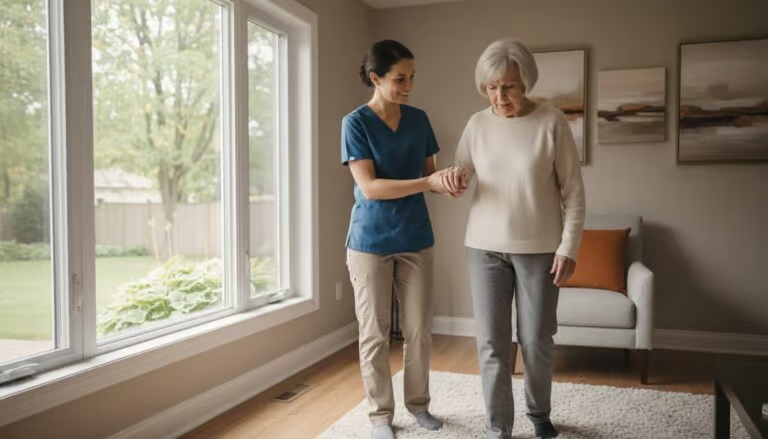
What to Do When They Start to Wander: A Safety Guide for London, Ontario Families
Imagine waking at 3:00 AM to find the front door slightly ajar and the hallway silent during a freezing night. According to data from the Alzheimer Society of Canada, 60% of people living with dementia will wander at least once, making it vital to understand what to do when they start to wander before a crisis occurs. You deserve to feel that your home is a place of peace rather than a source of constant anxiety. It’s natural to feel guilty about locking doors or exhausted from another night of light sleeping. Protecting a loved one is an act of profound love.
Cocoon Senior Services is here to help you move from fear to a state of calm preparation. You’ll discover practical safety strategies and professional support options to protect your family member when wandering begins. We’ll walk through creating a secure home environment, establishing a clear emergency plan, and exploring how professional engagement can provide you with the peace of mind you’ve been missing.
Key Takeaways
-
Understand the emotional triggers behind dementia-related movement to better address your loved one’s search for comfort or purpose.
-
Discover how to secure your home in London and surrounding areas using discreet modifications like high-visibility locks and smart motion sensors.
-
Learn how a structured daily routine and physical engagement can significantly reduce the anxiety and restlessness that often lead to wandering.
-
Master the critical first 15 minutes of a missing person event by creating a proactive emergency response plan tailored for local families.
-
Find out what to do when they start to wander by exploring how Cocoon Senior Services provides the professional companionship and expert care needed for lasting peace of mind.
Table of Contents
Understanding Why Wandering Happens in Dementia
Wandering is a frequent progression in Alzheimer’s and other forms of dementia, affecting roughly 60% of individuals living with these conditions. At Cocoon Senior Services, we view this movement as more than just a physical action; it’s a form of communication. When a senior begins to pace or attempts to leave their residence, they’re often expressing an unmet need or a deep-seated emotion. This behavior is a search for something missing, whether it’s a sense of purpose, a familiar face, or a feeling of safety. Understanding Wandering in Dementia helps families recognize that these episodes aren’t random but are driven by internal logic that’s become clouded by cognitive change.
In London and surrounding areas, the environmental risks associated with wandering are particularly high. Our region experiences extreme weather shifts, with winter temperatures frequently dropping below -15°C. For a senior who wanders outdoors without a coat or proper footwear, the risk of hypothermia increases by 50% within just thirty minutes of exposure. Families often feel overwhelmed, wondering what to do when they start to wander. The first step is acknowledging that "wanting to go home" is rarely about a physical house. It’s a desire for the comfort and clarity of their younger years, a time when they felt most in control.
Common Triggers for Wandering
Many episodes are sparked by basic physical discomforts. A person may start moving because they’re hungry, thirsty, or need to find a bathroom, but they forget their destination mid-walk. Loud noises or busy household environments can also cause overstimulation, leading a senior to seek a quieter space. Additionally, a 2022 study indicated that changes in medication or disruptions to a daily routine can trigger 40% of sudden wandering incidents. Cocoon focuses on maintaining a calm, predictable environment to minimize these stressors.
Recognizing the Early Warning Signs
Identifying the shift in behavior early is crucial for safety. You might notice your loved one pacing more frequently or repeating the same movements throughout the afternoon. They may begin asking about parents who passed away decades ago or expressing a need to "get to work" at a job they retired from in the 1990s. Another sign is a new difficulty in navigating familiar rooms within the home. If they struggle to find the kitchen or the bedroom, it’s a clear indicator that you need to plan for what to do when they start to wander beyond the front door.
Immediate Home Safety Modifications for London Families
When a loved one’s movements become unpredictable, the priority shifts to maintaining the harmony of the home while ensuring their physical safety. Knowing what to do when they start to wander begins with a thoughtful assessment of the living environment. Safety doesn’t have to feel clinical. By integrating subtle modifications, Cocoon Senior Services helps families in London and surrounding areas maintain a refined home atmosphere while protecting those within it.
Installing hidden or high-visibility locks is a primary step in discouraging unsupervised exits. Placing deadbolts or slide bolts at the very top or bottom of a door frame moves them out of the natural line of sight for someone living with cognitive decline. This simple change can prevent a confused exit during a moment of restlessness. Additionally, door chimes and motion sensors provide immediate, gentle alerts for caregivers. These devices, often available for under C$40 at local hardware retailers, ensure you’re aware of movement without the need for constant, stressful monitoring.
Technology plays a vital role in modern safety. ID bracelets and GPS tracking wearables offer a discreet layer of protection that travels with the individual. These tools provide peace of mind during daily walks or outings. Cocoon can get you set up with these. It’s vital to Create a Plan that addresses these risks before an incident occurs, as early intervention is the most effective way to manage wandering behaviors. Within the home, creating "safe paths" allows for movement and exploration. By clearing clutter and ensuring wide, unobstructed walkways, you allow your loved one to move freely without the risk of exiting the home or sustaining a fall.
Securing the Perimeter
Visual barriers are often as effective as physical ones. Placing a black floor mat in front of an exit can look like a hole or a step to someone with altered depth perception, naturally discouraging them from approaching the door. Small "stop" signs placed at eye level also serve as a helpful reminder to stay inside.
Night-time Safety Strategies
The transition into the evening can increase restlessness. Ensuring adequate lighting with motion-activated LED strips along baseboards prevents falls during nocturnal wandering. Pressure-sensitive bed pads are another excellent tool; they alert caregivers the moment a loved one stands up, allowing for a quick response. Limiting fluids an hour or two before bed can also reduce the frequency of nighttime bathroom trips, which is a common trigger for wandering. If you need assistance navigating these changes, Cocoon Senior Services offers resources to help you understand what to do when they start to wander while keeping your home a place of quiet comfort.
Proactive Prevention Through Engagement and Routine
A predictable day acts as a warm embrace for a senior. When the world begins to feel unfamiliar, a structured schedule provides the internal peace they crave. It’s about creating a flow that feels natural and safe. Anxiety often stems from a lack of direction; a clear routine tells the brain what comes next. This reduces the urge to seek "home" elsewhere because the current environment feels known. Knowing what to do when they start to wander begins with creating an atmosphere where the senior feels they’re exactly where they belong.
Physical movement is vital for both body and mind. A 20 minute walk through the parks in London and surrounding areas helps burn excess energy that might otherwise manifest as restless pacing. Better movement during the day leads to deeper, more restorative sleep at night. We also utilize reminiscence to bridge the gap between the past and present. This involves using familiar textures, photos, or stories to satisfy a deep-seated need for recognition. When a senior feels connected to their surroundings, the impulse to leave fades.
Professional companionship from Cocoon Senior Services often succeeds where family efforts feel exhausted. Caregiving is a marathon, and it’s natural for families to feel drained. Our team brings a fresh perspective and professional patience to every interaction. We don’t simply supervise; we engage. By providing high quality companionship, Cocoon helps maintain the delicate balance of a senior’s daily life, ensuring they feel supported and seen without the pressure of family dynamics.
Meaningful Activities for Seniors
Engagement shouldn’t feel like a chore. It’s about finding joy in simple, tactile tasks. Integrating hobbies like light gardening or folding warm linens provides a sense of accomplishment. Many families find value in exploring senior wellness programs in London, Ontario to keep cognitive health sharp and social connections active. It’s helpful to schedule "active hours" during the late morning when energy levels typically peak, allowing for more intensive hobbies before the afternoon fatigue sets in.
Addressing Unmet Needs
Wandering is frequently a form of non-verbal communication. It’s often a sign of a physical need that the senior cannot easily express. Regular check-ins for hidden pain, thirst, or hunger are essential steps in prevention. As the day ends, a phenomenon known as sundowning can trigger agitation. Keeping the atmosphere calm and quiet during the late afternoon helps ease this transition. Reducing clutter is also key, as too many objects can cause visual confusion that leads to pacing. For those seeking deeper strategies, the Alzheimer’s Association provides a guide on Wandering and Dementia Safety that helps families understand these triggers. Knowing what to do when they start to wander involves looking beneath the surface of the behavior to find the underlying need.
Creating Your 15-Minute Emergency Response Plan
The first 15 minutes after you realize a loved one is missing are the most vital. In London and surrounding areas, local search data indicates that quick action significantly increases the likelihood of a safe return. Most individuals are found within a few kilometers of their starting point if the search begins immediately. This window is your opportunity to contain the situation before they reach high-traffic areas or become disoriented by the changing environment.
Effective preparation changes everything. You shouldn’t be searching for a recent photo while your heart is racing. Keep a "missing person" kit in a dedicated drawer. This kit must include a high-resolution color photograph taken within the last six months. List their height, weight, hair color, and any identifying marks. Include a list of their current medications and a summary of their medical history. This document allows emergency responders to understand the person’s specific needs the moment they arrive on the scene.
Community involvement is a powerful tool. Use a pre-written text message to alert a trusted circle of neighbors. They can check their own backyards and garages, effectively expanding your search radius without you leaving the immediate area. In London and surrounding areas, the strength of the community often provides the extra eyes needed to spot a wandering senior quickly.
Step-by-Step Search Protocol
Begin with a thorough sweep of the house and immediate property. Check closets, under beds, and behind large furniture. Once the interior is clear, move outside to nearby hazards. In many neighborhoods, this means checking backyard pools, decorative ponds, or busy intersections. When you consider what to do when they start to wander, remember that people often travel in the direction of their dominant hand. If your loved one is right-handed, they are statistically more likely to turn right when they leave the driveway. Contact the London Police Service immediately if they aren’t found within 10 minutes. Provide them with the senior’s specific profile, including their favorite places and any past addresses they might be trying to reach.
Post-Incident Recovery
The moment they are found, prioritize emotional safety. It is natural to feel a rush of relief mixed with fear, but projecting anger or intense anxiety can cause the senior to retreat or become combative. Welcome them back with a warm drink or a soft blanket. Once the atmosphere is calm, evaluate the exit point. Did a door fail to chime? Was a window left unlatched? Identifying the "how" is the only way to prevent a recurrence. For ongoing emotional support and to share experiences with other local families, you can connect with the Cocoon on Facebook community. This group offers a space to discuss safety strategies tailored to our local environment.
Ensuring your home remains a safe haven requires professional insight and dedicated care. Discover how our team can help you maintain a secure environment by visiting Cocoon Senior Services today.
How Cocoon Senior Services Protects Seniors in London
Families in London and surrounding areas often feel a deep sense of worry when a loved one shows signs of confusion. Safety becomes a primary concern for everyone involved. Knowing what to do when they start to wander is the first step toward creating a secure environment. Cocoon Senior Services provides a protective layer of care that goes beyond simple supervision. We focus on expert dementia and Alzheimer’s care that respects the individual’s life history. By understanding a person’s past, we can better navigate their present needs and prevent risky behaviors.
Wandering is frequently a search for something familiar or a reaction to boredom. We provide the companionship that fills these gaps. Our staff doesn’t just watch; they engage. We replace aimless pacing with purposeful activities that align with the senior’s interests. This approach helps ground them in their current surroundings. It reduces the anxiety that often triggers the urge to leave home. Our commitment is to remain a local, trusted partner for families in London and surrounding areas.
Caregiving is a heavy responsibility. Many families attempt a 24/7 vigil that eventually leads to physical and emotional exhaustion. Cocoon offers respite support to relieve this burden. Our presence allows family members to rest and recharge. You can feel confident that your loved one is in professional hands while you take the time you need for yourself. We focus on creating an atmosphere of calm and emotional security.
Professional Support for Complex Behaviors
Our trained staff understands how to handle the challenges of memory loss with patience. When a senior becomes restless, we redirect that energy into safe, meaningful tasks. This prevents the frustration that often leads to wandering. We focus on maintaining an environment where the senior feels understood and valued. You can learn more about our approach and see how we interact with our clients by visiting our YouTube channel. We prioritize dignity in every interaction.
Getting Started with Cocoon
Identifying risks early is essential for long-term safety. We offer an initial consultation to evaluate the specific needs of your family. This meeting helps us understand the layout of the home and the unique triggers that may affect your loved one. We then create a customized care plan. Cocoon provides the answer for families wondering what to do when they start to wander by offering consistent, professional supervision. For more insights into our professional standards and updates, connect with us on LinkedIn. We’re here to help you navigate this transition with expertise.
Secure Your Peace of Mind Today
Preparation is the bridge between anxiety and confidence. It’s about creating a space where safety and comfort coexist. By implementing simple home modifications and engaging your loved one in meaningful routines, you build a foundation of security. Knowing what to do when they start to wander involves more than just observation; it requires a 15-minute emergency response plan that’s ready to go at a moment’s notice. These proactive steps ensure that your home remains a place of quiet harmony rather than a source of stress.
Cocoon Senior Services provides locally owned support throughout London and surrounding areas, focusing on non-medical safety and companionship. Our certified dementia and Alzheimer’s care professionals understand the nuances of memory loss and prioritize the emotional well-being of your family. Every step you take toward safety is a gift of love. You don’t have to manage these transitions on your own. Let Cocoon Senior Services provide the professional support your family needs in London and surrounding areas; book a consultation today. Your family’s comfort is our highest priority, and we’re ready to help you navigate this journey with dignity and grace.
Frequently Asked Questions
Is wandering a sign that my loved one needs to move to a nursing home?
Wandering doesn’t automatically mean your loved one needs a nursing home; many families manage this stage at home with the right support. Cocoon Senior Services helps families in London and surrounding areas create a safe environment through personalized care plans. According to the Alzheimer Society of Canada, 60 percent of people living with dementia will wander at least once, but most can remain home safely with strategic modifications.
What is the best type of lock to prevent a dementia patient from leaving?
The best locks are slide bolts or deadbolts placed at the very top or very bottom of the door frame. Since roughly 80 percent of seniors with cognitive decline don’t look outside their direct line of sight for exits, these high or low placements are very effective. Cocoon recommends using simple hardware that keeps the home feeling like a peaceful retreat while ensuring everyone stays safe inside.
How can I stop my parent from wandering at night while I am sleeping?
Pressure-sensitive floor mats and motion sensors are the most effective tools to alert you when your parent leaves their bed. A 2022 study showed that bed alarms reduce unwitnessed incidents by 35 percent. Knowing what to do when they start to wander at night often involves creating a clear path with nightlights to prevent falls, allowing you to rest while Cocoon supports your family’s safety needs.
Does insurance or Ontario funding cover GPS tracking devices for seniors?
Standard OHIP doesn’t cover GPS tracking devices, but programs like MedicAlert Safely Home offer affordable options for Ontario residents. This specific program costs approximately C$60 annually and is a recognized safety standard across the province. You should check your private insurance policy for "health spending accounts," as some providers in London and surrounding areas may offer rebates for assistive safety technology.
What should I do if I find a senior wandering in London and surrounding areas?
Approach the person slowly from the front and introduce yourself in a calm, warm voice to avoid startling them. Check their wrists or neck for a MedicAlert ID which contains emergency contact information and vital health data. If they seem distressed or can’t tell you where they live, call 911 immediately so local authorities can help return them to their family safely.
Can certain medications cause or increase wandering behaviors?
Certain medications, especially those used for sleep or anxiety, can trigger or worsen wandering behaviors in seniors. Research indicates that 25 percent of seniors taking anticholinergic drugs experience increased confusion or "sleep-walking" as a side effect. It’s important to consult with a doctor to review all prescriptions if you notice a sudden change in their movement patterns or orientation.
How do I explain to neighbors that my loved one might wander?
Be direct with your neighbors by sharing a recent photo and your phone number so they can help keep a watchful eye. Explain that your loved one has a memory condition and might occasionally lose their way. Handing out a simple contact card to the 4 closest neighbors creates a local safety net in London and surrounding areas, ensuring more eyes are looking out for their well-being.
What is the difference between wandering and "sundowning"?
Wandering is the physical act of moving without a clear destination, while sundowning refers to the increased confusion and agitation that occurs in the late afternoon. Understanding what to do when they start to wander involves recognizing that sundowning often triggers the urge to "go home" even when they’re already there. Sundowning affects up to 20 percent of Alzheimer’s patients, typically between 4:00 PM and 7:00 PM.
Disclaimer
We aim to provide helpful guidance for seniors and families, but this content should not replace professional medical advice. Some links may be affiliate links, and we are not responsible for third-party content.