

UTI Signs and Monitoring for Seniors in London and Surrounding Areas
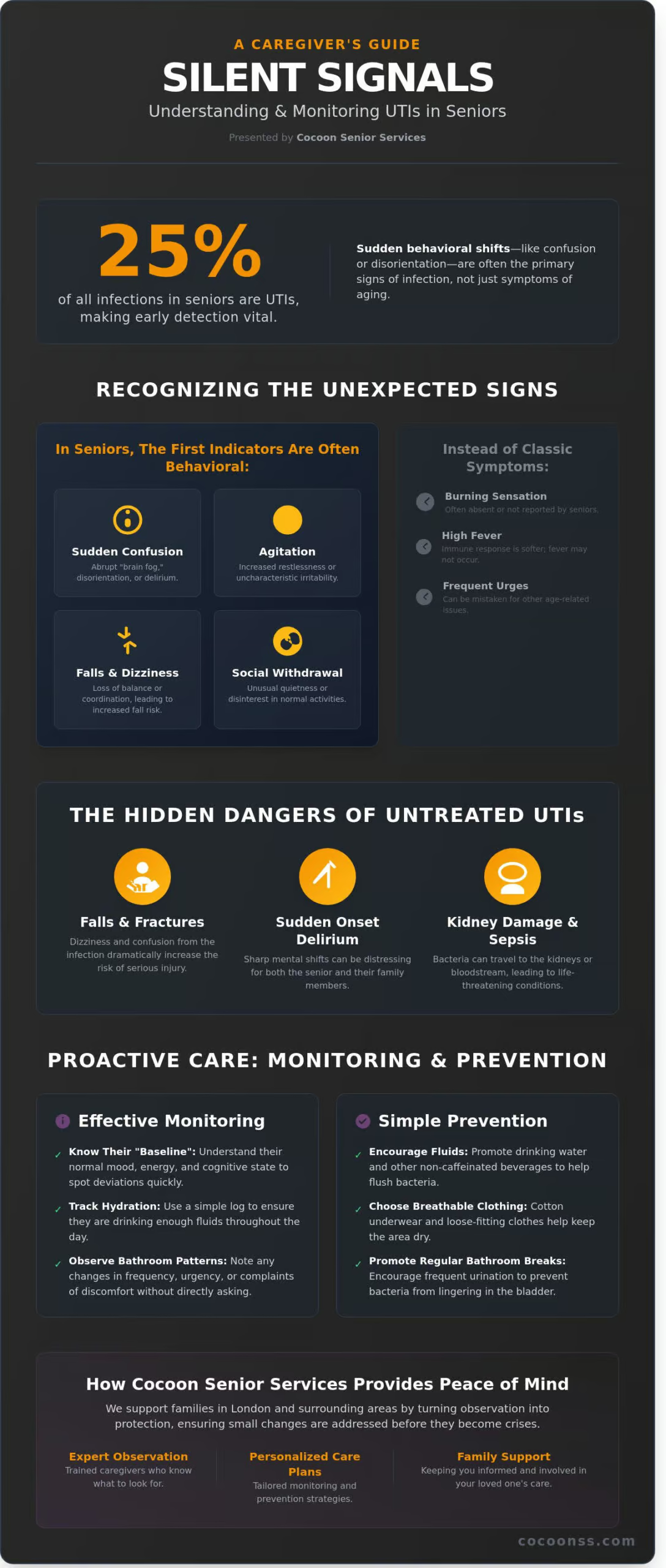
Last Tuesday, a family in London watched as their normally sharp grandmother became suddenly confused and disoriented within just four hours. While you might initially fear a stroke or dementia, these behavioral shifts are often the primary UTI signs and monitoring these changes is the first step toward avoiding a hospital stay. It’s natural to feel that your loved one’s home should be a place of peace, yet the sudden onset of an infection can shatter that sense of security in an instant. According to the Canadian Continence Foundation, infections like these account for nearly 25% of all infections in seniors, making early detection a vital skill for any caregiver.
At Cocoon Senior Services, we believe that staying informed is the best way to maintain the harmony of home life. You’ll learn how to identify these subtle symptoms before they escalate into a crisis that requires medical transport. This guide provides practical strategies for effective monitoring to ensure your loved one remains comfortable and safe at home. We’ll explore how to detect early indicators, implement preventative care.
Key Takeaways
-
Understand why subtle behavioral shifts, such as sudden confusion or social withdrawal, are often the first indicators of an infection in older adults.
-
Learn to identify the hidden risks of undiagnosed complications, ranging from increased fall hazards to sudden onset delirium.
-
Implement proactive UTI signs and monitoring strategies at home, including the use of hydration logs and observing routine bathroom patterns.
-
Discover practical prevention techniques, such as choosing breathable cotton clothing and encouraging frequent breaks to maintain urological health.
-
Find out how Cocoon Senior Services supports families in London and surrounding areas through personalized care plans and expert observation.
Table of Contents
Understanding UTIs in Seniors: Why Monitoring is Critical
Aging is a journey of refinement, but it also brings physical shifts that require a watchful eye and a gentle hand. For seniors, a urinary tract infection (UTI) isn’t simply a matter of minor discomfort; it’s a significant health event that manifests in ways few expect. While a younger person might feel a sharp, immediate sting, an older adult might experience sudden confusion, a loss of balance, or a quiet withdrawal. Understanding Urinary Tract Infections is the first step in providing the protective care your loved one deserves in London and surrounding areas.
At Cocoon, we prioritize the safety and emotional peace of every individual we serve. Undiagnosed infections are a leading cause of preventable hospital admissions among the elderly. Without proper UTI signs and monitoring, a simple infection can quickly escalate into kidney complications or sepsis, threatening the harmony of life at home.
To better understand the symptoms that often go unnoticed, watch this helpful video:

The risks of a hidden infection extend far beyond physical pain. A UTI can trigger delirium, which often leads to dangerous falls and fractures. These incidents aren’t just accidents; they’re frequently the result of an internal system under stress. Cocoon Senior Services focuses on maintaining urological health through consistent observation, ensuring that small changes are caught before they become crises. Our approach is built on professional expertise and a deep commitment to the well-being of the families we support.
-
Falls and Fractures: Dizziness and confusion caused by infection increase the risk of serious injury.
-
Delirium: Sudden mental changes can be distressing for both the senior and their family.
-
Kidney Damage: Untreated bacteria can travel upward, leading to permanent organ scarring.
The Aging Urinary System
Time changes the body’s architecture. Bladder elasticity fades and muscle tone weakens, making it harder to empty the bladder completely. This creates a quiet environment where bacteria can linger and multiply. Chronic conditions like diabetes or an enlarged prostate further complicate this balance, increasing the frequency of infections. Asymptomatic bacteriuria is a common but complex condition in seniors where bacteria exist in the urine without causing typical symptoms.
Why Traditional Signs are Often Missing
The classic warning signs, like a high fever or burning sensations, often stay hidden in the elderly. Their immune systems respond more softly, leading to "silent" infections that don’t announce themselves with a temperature. For those living with dementia, communication barriers make it difficult to voice physical pain or discomfort. This is why knowing a loved one’s "baseline" behavior is vital. A sudden change in mood, a new bout of agitation, or increased lethargy is often the only signal that something is wrong. Effective UTI signs and monitoring require an intimate knowledge of the individual’s daily patterns to catch these whispers of illness early.
Recognizing Atypical UTI Signs in the Elderly
Identifying a urinary tract infection in an older adult requires a different lens than it does for younger populations. While younger patients typically report localized pain or a burning sensation, seniors often experience systemic changes that affect their cognitive state and behavior first. Effective UTI signs and monitoring involve looking beyond the physical and observing the person as a whole. This vigilance is a cornerstone of the care provided by Cocoon Senior Services.
A sudden onset of confusion or "brain fog" often serves as the first warning. This isn’t the slow decline associated with typical aging; it’s a sharp, noticeable shift. Families in London and surrounding areas frequently report that their loved ones seem "off" or unusually distracted. Behavioral changes often follow, including:
-
Increased agitation or restlessness, especially during the late afternoon hours.
-
Social withdrawal or a sudden lack of interest in long-held daily routines.
-
Physical lethargy and a noticeable, heavy lack of energy that persists through the day.
-
Dizziness that leads to a sudden increase in falls; clinical observations from 2023 suggest that nearly 30% of sudden falls in frail seniors can be linked back to underlying infections.
-
Changes in urine quality, such as a strong, pungent odor, a cloudy appearance, or visible sediment.
The Link Between UTIs and Delirium
It’s vital to distinguish between the progressive nature of dementia and the acute onset of UTI-induced delirium. When a senior experiences sudden "sundowning" behavior, it’s rarely just a progression of cognitive decline. It’s often a medical red flag. Experts at the NHS emphasize the importance of Recognizing UTI symptoms in seniors, particularly when confusion appears within a short 24 to 48-hour window. This acute shift is a hallmark of infection rather than a gradual neurological change.
Cocoon Senior Services recommends keeping a simple daily log to track these shifts. Documenting the exact time a behavioral change occurs helps healthcare providers in London and surrounding areas make faster, more accurate diagnoses. Note the date, the specific behavior, and any changes in sleep patterns to provide a clear picture for the doctor.
Subtle Physical Red Flags
Physical symptoms can be incredibly quiet and easy to miss. A loss of appetite or unexplained fatigue might seem like a "bad day," but these are frequently early warning signs of an infection. Incontinence in a senior who was previously continent is another major indicator that shouldn’t be ignored. It’s a sign that the body is struggling to maintain its normal balance.
Monitoring for low-grade temperature changes is also essential. Seniors often don’t develop high fevers even with severe infections. A slight rise to 37.2°C (99°F) can signify a serious issue in an older adult. If you notice these shifts, it’s time to seek professional guidance. You can find more resources on maintaining wellness and safety at cocoonss.com.
Proactive Monitoring Strategies for London Families
Effective UTI signs and monitoring begin with a commitment to daily observation. Families in London and surrounding areas can maintain a high standard of care by implementing structured routines that capture subtle changes in health. A daily hydration log is a foundational tool. It tracks the 1.5 to 2 litres of fluid intake necessary for flushing the bladder. Cocoon Senior Services emphasizes that consistency is more important than volume. Small, frequent sips throughout the day are more effective than large amounts of water consumed at once.
Monitoring bathroom patterns provides immediate insight into a senior’s well-being. Caregivers should observe frequency and urgency during routine assistance. A sudden shift from four bathroom visits a day to eight or more often indicates an underlying issue. Clinical research supports these observations. This UTI prevention strategies for older adults review highlights how early detection through careful monitoring significantly reduces the risk of hospitalization. Maintaining a medication schedule is equally vital. If a physician prescribes prophylactic treatments, reminders ensure the dosage remains consistent to prevent bacterial colonization.
Active health tracking becomes more engaging when integrated into senior wellness programs. These programs encourage seniors to take ownership of their health metrics. Cocoon focuses on making these checks feel like a natural part of a premium lifestyle rather than a medical chore. This proactive stance keeps families informed and ensures that any UTI signs and monitoring data is ready for medical consultations.
Hydration and Nutrition Tracking
Encouraging fluid intake requires creativity and an appeal to the senses. Cocoon recommends serving infused water with cucumber, mint, or berries to provide a refreshing experience. Hydrating snacks like watermelon or oranges also contribute to fluid goals. Caregivers must watch for dark, concentrated urine or a dry mouth, as these are 2024 clinical indicators of dehydration. A diet rich in vitamin C and low in refined sugars helps maintain proper bladder acidity, creating an environment where bacteria struggle to thrive.
Hygiene and Personal Care Observation
Proper perineal hygiene is the first line of defense against bacterial spread. Caregivers ensure that cleansing is thorough and follows the front-to-back technique. It is essential to monitor skin integrity around the groin area for redness or irritation. Skin that is compromised can easily become a gateway for infection. Professional caregivers from Cocoon provide these services with the highest level of dignity. They perform discreet but thorough checks during daily dressing or bathing routines, identifying potential issues before they escalate into serious health concerns.
Prevention Tips: Reducing UTI Risk at Home
Prevention starts with simple, intentional changes to the daily flow of life. Stagnant urine in the bladder allows bacteria to multiply quickly. We recommend encouraging bathroom visits every 120 to 180 minutes, even if the urge isn’t strong. This practice keeps the system clear and reduces the time bacteria have to settle. When families prioritize UTI signs and monitoring, they often find that a consistent routine for personal care provides the most effective defense against recurring infections.
Choosing the right materials for clothing makes a significant difference in skin health. Natural, breathable cotton fibers allow for air circulation, which prevents the moisture buildup that bacteria thrive in. It’s about more than just comfort; it’s about choosing textures that support the body’s natural balance. Avoid synthetic fabrics like polyester or nylon, which trap heat and sweat against the skin.
Medication reviews are also vital. Some prescriptions for blood pressure or sleep can impact how the bladder empties. According to a 2022 report from the Canadian Institute for Health Information, nearly 25% of seniors take at least ten different medications, many of which can affect urinary health. Reviewing these with a healthcare provider ensures that side effects aren’t silently increasing the risk. A consistent, daily hygiene routine creates a sense of security and ensures that UTI signs and monitoring become a natural part of the day.
Safe Bathroom Habits
For seniors in London and surrounding areas, mobility challenges often lead to "holding it" too long. Clear paths, non-slip mats, and bright lighting are essential for safe transit to the bathroom. Once there, "double voiding" helps ensure the bladder is truly empty. This involves staying on the toilet for a moment after finishing, leaning forward slightly, and trying to go again. Wiping from front to back is the #1 hygiene rule for prevention.
Environmental and Lifestyle Adjustments
Hydration is the foundation of bladder health. Place water carafes in every room to ensure a drink is always within reach. A 2023 study suggests that intentional hydration can reduce UTI recurrence by nearly 48% in older adults. While water is a friend, caffeine and alcohol are often irritants that can lead to urgency or inflammation. Reducing these can soothe the bladder lining. Managing complex hygiene needs requires patience and expertise. Cocoon Senior Services provides the professional support needed to maintain these routines with dignity and grace. To learn more about how we can help, visit Cocoon Senior Services online.
How Cocoon Senior Services Supports Urological Health
Cocoon Senior Services creates a protective layer of professional oversight for seniors living in their own homes. We focus on proactive UTI signs and monitoring to ensure health issues don’t escalate into emergencies. Our team develops personalized care plans that prioritize hydration and hygiene. Statistics from the Canadian Institute for Health Information (CIHI) in 2023 suggest that urinary tract infections are a leading cause of avoidable hospitalizations among the elderly. We work to lower these risks by maintaining a steady, watchful presence in the home.
Our caregivers act as a bridge between the senior and their medical team. We assist with scheduling appointments and ensure that family doctors receive clear, detailed reports about any changes in health. This consistent communication helps doctors make informed decisions quickly. We don’t just watch; we actively participate in the senior’s wellness journey. This professional oversight reduces the heavy emotional burden on family members. You don’t have to wonder if your loved one is drinking enough water or if they seem "off" today. We are there to know for sure.
Compassionate Personal Care
Caregivers at Cocoon provide dignified support with daily hygiene routines. We understand that these moments require sensitivity and respect. By providing a regular caregiver, we ensure that someone knows the senior’s baseline health perfectly. When a caregiver knows a senior well, they notice a slight change in mood or a subtle drop in energy immediately. This early detection is vital for seniors with dementia, where behavioral shifts often signal physical discomfort. We invite you to explore the Cocoon YouTube channel for more insights into our specialized approach to care.
Supporting Families in London and Surrounding Areas
Families in London and surrounding areas often feel pressured to "wait and see" when a senior seems unwell. This approach can be dangerous. Professional monitoring offers a safer, more reliable alternative to guesswork. We provide the expertise needed to spot red flags before they become crises. Starting with a customized care assessment allows us to tailor our support to your family’s specific needs. It’s about creating a home environment where health is managed with grace and precision. Please join our Cocoon Facebook community to connect with other families and find more practical health tips for your loved ones.
Prioritizing Health and Harmony at Home
Recognizing the subtle shifts in a senior’s behavior can be the difference between a quick recovery and a serious health setback. Since atypical symptoms like sudden confusion or agitation often mask underlying issues, consistent UTI signs and monitoring become vital tools for families. Data from the Canadian Institute for Health Information indicates that timely intervention prevents thousands of unnecessary hospital admissions each year; early detection is the key to avoiding complications.
Cocoon Senior Services offers specialized support rooted in certified dementia and Alzheimer’s care expertise. We focus on maintaining independence for families in London and surrounding areas through proactive monitoring that respects the individual’s pace. Our team understands that true wellness is found in the balance of professional skill and genuine, heart-made care. We’re dedicated to providing premium support that ensures your loved one feels safe, valued, and understood.
Contact Cocoon Senior Services today to discuss a personalized care plan for your loved one.
You don’t have to navigate these health challenges alone; we’re here to help you restore peace and quality of life to your family.
Frequently Asked Questions
Can a UTI cause sudden confusion in a senior?
Yes, sudden confusion is a primary symptom of a UTI in older adults. This condition, known as delirium, affects roughly 25% of seniors facing acute infections. Unlike the slow progression of cognitive diseases, these mental shifts appear rapidly. Monitoring these changes helps maintain the safety and comfort of your loved one in London and surrounding areas.
How much water should a senior drink to prevent UTIs?
Seniors should aim for 1.5 to 2 litres of water daily to maintain bladder health. According to Dietitians of Canada, proper hydration flushes bacteria from the urinary tract before an infection takes hold. It’s a simple, natural way to support the body’s internal harmony. Cocoon Senior Services helps clients track their fluid intake to ensure they meet these vital goals.
What does a "silent" UTI look like in the elderly?
A silent UTI lacks the typical burning or pain often associated with the condition. You might notice a sudden increase in falls, unexplained agitation, or a loss of appetite instead. These subtle UTI signs and monitoring these changes closely can prevent serious complications like sepsis. It’s about noticing the small deviations from a person’s normal, peaceful baseline.
Is cranberry juice effective for preventing UTIs in seniors?
Cranberry products may help prevent infections but they don’t treat active ones. A 2023 Cochrane Review found that cranberry juice or supplements reduced the risk of repeat UTIs by over 25% in certain populations. It’s a gentle addition to a wellness routine. However, it isn’t a substitute for professional medical advice or prescribed antibiotics from a doctor.
When should I call a doctor for a suspected UTI?
Contact a healthcare provider the moment you notice cloudiness in urine or a sharp change in temperament. If a senior develops a fever over 38°C or experiences shivering, seek medical attention immediately. Early intervention ensures the home remains a place of recovery. Quick action prevents the infection from spreading to the kidneys, which occurs in about 10% of untreated cases.
How can home care help with UTI monitoring?
Cocoon Senior Services provides professional oversight to ensure seniors stay hydrated and maintain impeccable hygiene. Our team focuses on UTI signs and monitoring through daily wellness checks. We offer a sophisticated approach to care that prioritizes emotional security and physical health. This proactive support helps families in London and surrounding areas find lasting peace of mind.
Why do UTIs keep coming back in my aging parent?
Recurrent infections often stem from a weakened immune system or incomplete bladder emptying. Statistics show that 50% of women over age 65 experience repeat UTIs due to hormonal changes or underlying health conditions like diabetes. Cocoon helps manage these risks through consistent, high quality support and attention to detail. We focus on creating a clean, health conscious environment.
Can a UTI be mistaken for dementia or Alzheimers?
Yes, a UTI is frequently mistaken for dementia because both cause significant disorientation. The defining factor is the timeline, as UTI symptoms emerge within a few hours or days. Dementia develops over many years. Distinguishing between the two ensures your loved one receives the correct treatment quickly, preserving their quality of life and their dignity.
Disclaimer
We aim to provide helpful guidance for seniors and families, but this content should not replace professional medical advice. Some links may be affiliate links, and we are not responsible for third-party content.