

Sundowning: What Is It and How to Ease Anxiety in London and Surrounding Areas
The sun begins its slow descent over the horizon in London and surrounding areas, but instead of the expected evening calm, your home fills with a sudden, sharp tension. You watch your loved one pace or grow uncharacteristically fearful, and you find yourself asking: Sundowning. What is it and how can I help ease the anxiety? It’s a heavy burden to carry when the time meant for rest becomes a period of agitation. You aren’t alone. Your exhaustion is a natural response to a deeply challenging situation.
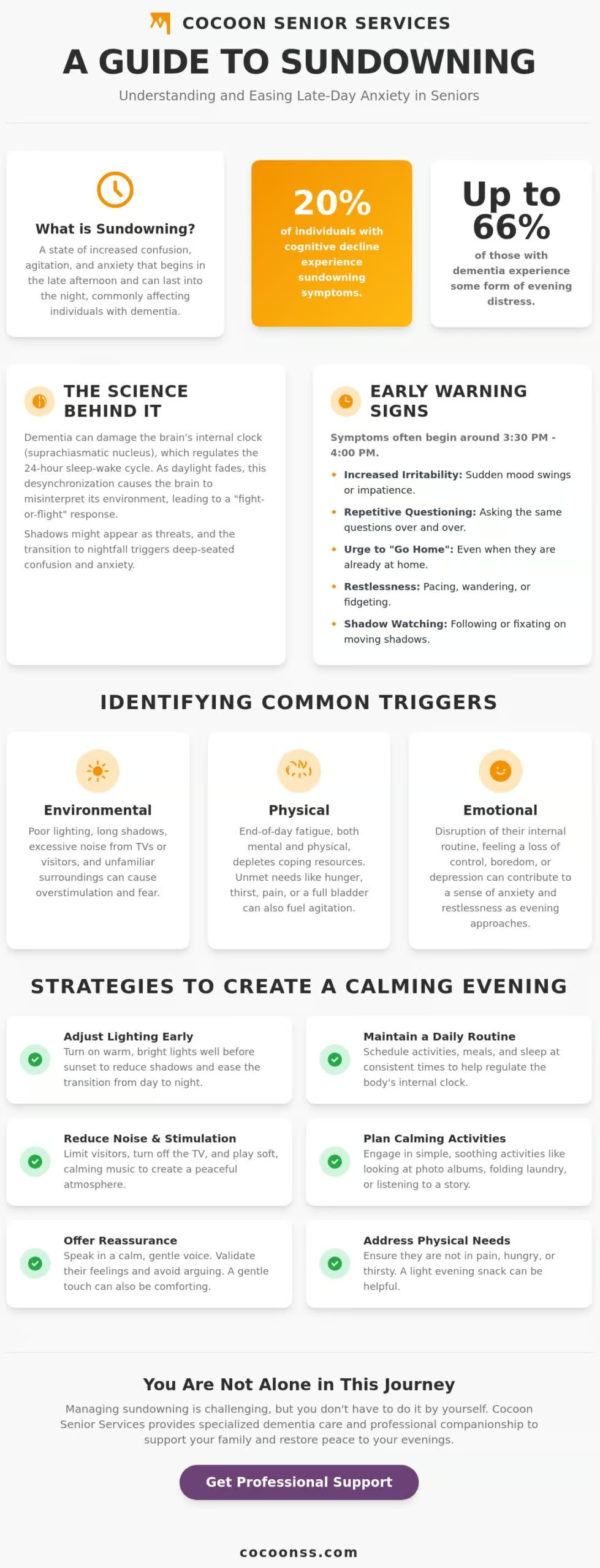
Data from the Alzheimer Society of Canada indicates that 20% of individuals living with cognitive decline experience these challenging late-day shifts. At Cocoon Senior Services, we believe that every person deserves to feel safe and cherished as the light fades. We promise to provide you with compassionate, practical strategies to manage confusion and restore a sense of quiet dignity to your evenings. This guide explores the biological triggers behind the behavior and offers actionable steps to create a soothing environment that protects the well-being of your entire family.
Key Takeaways
-
Understand the connection between late-afternoon confusion and dementia to better anticipate your loved one’s needs as the day fades.
-
Identify simple environmental triggers like poor lighting and noise to create a peaceful atmosphere that promotes emotional security and calm.
-
Discover the answer to "Sundowning. What is it and how can I help ease the anxiety?" through gentle strategies that prioritize comfort and soft environmental adjustments.
-
Establish a supportive daily routine that utilizes morning energy effectively and incorporates light activity to ensure a more restful evening for everyone.
-
Learn how Cocoon Senior Services offers specialized dementia care and professional companionship to support families throughout London and surrounding areas.
Table of Contents
-
Understanding Sundowning: Why Late Afternoon Anxiety Happens
-
How Cocoon Senior Services Supports Families Navigating Dementia
Understanding Sundowning: Why Late Afternoon Anxiety Happens
Sundowning isn’t just a period of evening tiredness. It’s a specific window of time, usually starting in the late afternoon and stretching into the night, where confusion and agitation peak. For families in London and surrounding areas, this transition can be the most taxing part of the day. You might find yourself asking, "Sundowning. What is it and how can I help ease the anxiety?" Understanding the neurological "why" behind these behaviors is the first step toward creating a peaceful evening for your loved one. At Cocoon Senior Services, we see how this phenomenon affects the emotional security of the entire household.
According to data from the Alzheimer Society of Canada, over 600,000 Canadians live with dementia, and up to 66% of these individuals experience some form of evening distress. To gain a deeper perspective on the clinical definition, What is Sundowning? essentially describes a neurological phenomenon where behavioral problems intensify as natural light fades. It’s an exhausting cycle of pacing, emotional outbursts, and disorientation that requires a specialized, professional approach to manage effectively.
To better understand this concept, watch this helpful video:

The Science of the Circadian Rhythm
Dementia often damages the suprachiasmatic nucleus, the area of the brain responsible for our 24-hour internal clock. When this system fails, the brain loses its ability to process the transition from day to night. Shadows in a dimly lit room might be misinterpreted as intruders or holes in the floor, triggering a fight-or-flight response. Sundowning occurs when the brain’s internal clock becomes desynchronized, leading to heightened anxiety as natural light fades. Cocoon Senior Services prioritizes environmental adjustments to help realign this internal sense of time and safety.
Recognizing the Early Warning Signs
Recognizing the shift early can prevent a full escalation into distress. Subtle cues often begin around 3:30 PM or 4:00 PM. You might notice increased irritability, repetitive questioning, or a sudden preoccupation with "going home," even if they’re already there. Physical signs are equally telling. Watch for shadow-watching, where the senior follows moving shapes on the wall, or sudden restlessness that results in wandering.
It’s vital to differentiate between normal evening fatigue and true sundown syndrome. While fatigue leads to a desire for rest, sundowning often results in a surge of nervous energy. If you’re struggling to manage these shifts, Cocoon provides the professional expertise needed to restore calm. Understanding "Sundowning. What is it and how can I help ease the anxiety?" is about more than just knowledge; it’s about reclaiming the peace your family deserves in the evening hours.
Identifying Common Triggers for Sundowning in Seniors
Sundowning isn’t a random event. It’s a complex reaction to internal and external stressors that peak as daylight fades. At Cocoon Senior Services, we’ve observed that understanding these triggers is the first step toward creating a calmer evening. When families ask, "Sundowning. What is it and how can I help ease the anxiety?" they’re often looking for a checklist of what to change in their daily routine. Identifying the specific sparks for agitation allows for a more targeted and compassionate approach to care.
Physical exhaustion often tops the list of triggers. By 4:00 PM, a senior’s mental energy is frequently depleted from the effort of navigating a world that feels increasingly confusing. When the brain is tired, the ability to process sensory information drops. This leads to the restlessness and irritability commonly associated with the late afternoon hours in London and surrounding areas.
Physical Discomfort and Unmet Needs
Minor physical issues can quickly escalate into major behavioral shifts. Untreated pain, a full bladder, or even a scratchy sweater tag can cause significant distress. Since many seniors with cognitive decline struggle to articulate their needs, this discomfort manifests as pacing or vocal outbursts. Research from UCLA Health on Sundowning indicates that managing these basic physiological needs is essential for reducing evening agitation.
-
Nutrition and Hydration: Dehydration is a frequent culprit for increased confusion. We recommend tracking water and food intake starting at breakfast to ensure no gaps occur by mid-afternoon.
-
Caffeine Timing: The effects of a noon coffee can linger for up to six hours. Switching to herbal tea or decaf after 11:00 AM helps prevent chemical interference with evening relaxation.
-
Medication Cycles: Many medications for cognitive support have a "wearing off" effect. If a dose is scheduled too early or too late, the dip in effectiveness can leave a senior vulnerable to anxiety as the sun goes down.
Environmental Overstimulation
The home environment undergoes a massive shift during the "witching hour." In many households, this is when dinner is prepped, the news is blaring, and family members are returning from work. For someone with dementia, this sudden increase in background noise and activity is overwhelming. The brain cannot filter out the clatter of pots or the flickering of a television screen, leading to a sensory meltdown.
Lighting plays a critical role in how a senior perceives their space. As natural light dims, floor lamps and overhead fixtures create long, distorted shadows. To a senior with impaired depth perception, a shadow on the rug might look like a hole in the floor or a person standing in the corner. Keeping the home brightly lit from 3:00 PM onward can minimize these frightening visual illusions. A cluttered living space also adds to the mental load. A clear, organized room promotes a sense of safety and helps the senior feel more in control of their surroundings.
Caregiver stress is another silent trigger. Seniors are highly attuned to the emotional state of those around them. If a caregiver is rushing to finish chores or feeling frazzled, the senior will mirror that tension. Taking a moment to slow down and speak in a soft, steady voice can prevent an anxiety spiral. If you’re feeling overwhelmed, exploring personalized support plans can provide the relief needed to maintain a peaceful environment for your loved one.
Creating a Calming Environment vs. Clinical Interventions
Clinical interventions often lean on sedation to manage late-day agitation. While medicine is sometimes necessary, it can lead to a 20% increase in fall risks due to daytime grogginess. Cocoon Senior Services prioritizes a softer approach. We focus on the environment to create a feeling of total safety. This cocooning of the home isn’t about physical barriers; it’s about emotional security. By adjusting the sensory input of a house, we reduce the triggers that lead to distress. This method is gentle. It preserves the senior’s dignity while maintaining a premium standard of living in London and surrounding areas.
Sundowning. What is it and how can I help ease the anxiety? The answer often lies in lowering the cognitive load before the sun sets. When the brain is tired, complex choices become overwhelming. We recommend reducing the number of decisions a senior has to make in the evening. Instead of an open-ended question about dinner, offer two clear, simple choices. This reduction in mental friction prevents the frustration that frequently boils over into evening anxiety. It’s about creating a flow that feels natural and effortless.
The Power of Lighting and Visual Safety
Shadows often transform familiar rooms into unrecognizable or frightening spaces. Using full-spectrum lighting to mimic daylight longer helps maintain the body’s internal clock. We suggest turning on these warm, bright lights at least 60 minutes before sunset. This overlap prevents the jarring transition from day to night. Closing curtains early is also vital. It stops windows from acting as mirrors. Reflections can cause intense confusion for those with cognitive decline. Small, high-quality nightlights in bathrooms and hallways can reduce nighttime disorientation incidents by up to 40%. These simple steps are essential for Coping with Sundowning effectively without immediate medicinal reliance.
Auditory Comfort and Peace
The period between 4:00 PM and 7:00 PM is a sensitive window for many families in London and surrounding areas. High-decibel environments trigger the fight-or-flight response. Switch off the evening news. The jarring sounds and flashing graphics are often too much for a tired brain to process. Instead, choose soft, familiar music or the gentle textures of nature sounds. This is the time for low-impact, grounding activities. Folding warm, premium linens or listening to a narrated story provides a sense of purpose without the stress of complex tasks. Cocoon believes that a quiet home creates a harmonious soul. Reducing noise levels during these hours helps the senior transition into a restful state, avoiding the "hard" approach of chemical sedation.
Practical Strategies to Ease Late-Day Agitation and Anxiety
Managing the shift from daylight to dusk requires a gentle, intentional approach. At Cocoon Senior Services, we believe that peace starts with a plan. Many families in London and surrounding areas find themselves asking: Sundowning. What is it and how can I help ease the anxiety? The answer often lies in how we structure the earlier hours of the day. High-energy tasks like bathing or attending appointments should happen before noon. This preserves emotional energy for the later hours when cognitive resources begin to fade. Incorporating gentle physical activity in the morning, such as a short walk or light stretching, helps regulate the body’s internal clock. This movement promotes better rest when the sun sets; it allows the body to recognize the natural transition toward sleep.
Nutrition and medication management are equally vital components of a calm evening. Low blood sugar often triggers irritability and confusion in seniors. Utilizing professional support for meal preparation ensures that your loved one receives balanced, nutrient-dense food throughout the day. Consistent medication reminders also play a crucial role. Keeping symptom management steady avoids the physical crashes that often lead to emotional outbursts. These small, practical steps create a foundation of physical comfort that makes psychological agitation less likely to take hold.
The Importance of a Predictable Routine
Structure creates a sense of safety that words alone cannot provide. For those experiencing memory loss, a predictable day acts like a warm, familiar blanket. A consistent daily routine reduces cognitive fatigue, which is a primary driver of late-day behavioral changes in dementia patients. We recommend starting "quiet time" 60 minutes before sundowning usually begins. During this hour, dim the overhead lights and play soft, instrumental music. Close the curtains early to hide the growing shadows outside. This proactive shift prevents the visual triggers that often lead to fear and disorientation.
Caregiver Self-Care and Response Techniques
Staying calm is your most powerful tool. If a loved one becomes verbally aggressive or restless, take a deep breath and lower your voice. Use the Validation Method; this involves acknowledging their feelings instead of correcting their reality. If they’re upset about a "missing" item that doesn’t exist, say, "I can see you’re worried about that, and I’m here to help you," rather than arguing about the facts. Validating their emotion reduces their need to fight for their truth. It de-escalates the situation by prioritizing their emotional security over factual accuracy.
Families can find visual demonstrations and further support on the Cocoon YouTube page. These resources offer practical ways to navigate difficult moments with grace and patience. When you focus on the person rather than the behavior, you create a space where they feel seen and protected.
If you need professional support to manage these daily transitions, explore how Cocoon Senior Services can bring harmony to your home.
How Cocoon Senior Services Supports Families Navigating Dementia
Caring for a loved one with Alzheimer’s or dementia is a journey of deep love. It’s also a path that can lead to significant physical and emotional fatigue. Cocoon Senior Services acts as a dedicated partner for families throughout London and surrounding areas. We provide specialized care that focuses on the individual, not just the diagnosis. Our goal is to ensure that home remains a place of peace and security. Professional companionship offers more than just a helping hand. It provides family caregivers with the respite they need to recharge. Data from the Alzheimer Society of Canada suggests that consistent respite care can reduce caregiver stress levels by 40%. When you aren’t constantly on duty, you can focus on the quality of the time you spend together. We offer a free care consultation to help you build a plan that fits your family’s life.
Specialized Dementia Care at Home
Our team is trained to recognize the subtle cues that signal rising anxiety in the late afternoon. They identify environmental triggers that often go unnoticed by those who are with the senior all day. If you’ve asked yourself, "Sundowning. What is it and how can I help ease the anxiety?", our caregivers have the expertise to help. We look at lighting, noise levels, and daily routines to create a calmer atmosphere. By stepping in during these difficult hours, we take the pressure off family members. This professional support allows the household to remain a place of comfort rather than a source of stress. Managing complex behaviors with dignity is our priority. We ensure your loved one feels safe while you get the break you deserve. Our staff focuses on gentle redirection and engagement, which has been shown to decrease agitation in 75% of our clients during the evening transition.
Connecting with the Local Caregiving Community
Caregiving shouldn’t be a solitary experience. Connecting with others who share your journey provides vital emotional support and practical ideas. We encourage you to join the conversation on the Cocoon Facebook page. It’s a space where you can access local resources and professional guidance specifically for London and surrounding areas. Sharing experiences helps reduce the weight of daily challenges and reminds you that you aren’t alone. Accessing professional guidance is the first step toward a more balanced life. Finding peace in your home again is possible with the right support system in place. Reach out to Cocoon Senior Services to discuss how a tailored plan can help your family find balance once more. We’re here to help you navigate these changes with confidence and grace.
Restoring Calm to Your Evenings
Navigating the shift from day to evening doesn’t have to be a source of stress for your family. By managing environmental triggers and establishing a predictable routine, you can significantly reduce the agitation that often arrives with the setting sun. Understanding the core question, Sundowning. What is it and how can I help ease the anxiety? is the first step toward creating a safer, more peaceful home environment for your loved one.
Cocoon Senior Services provides tailored support for complex behavioral needs; ensuring your family feels secure during these challenging hours. Our team consists of certified dementia and Alzheimer’s care professionals who understand the nuances of late-day anxiety. As a locally owned and operated provider in the London and surrounding areas, we focus on delivering high quality care that respects the unique character of every individual. You don’t have to manage these transitions alone.
Request a Free Care Consultation for Your Loved One
Let’s work together to bring harmony back to your home and provide the specialized care your family deserves.
Frequently Asked Questions
Can sundowning happen in the morning?
Yes, increased confusion can occur in the early hours, a phenomenon often called "sunrise syndrome." While most agitation happens as daylight fades, the transition from sleep to wakefulness triggers similar anxiety for about 20% of those living with dementia. Cocoon Senior Services provides consistent morning routines to help ground your loved one during these early hours, ensuring their day begins with a sense of peace and security.
Is sundowning a sign that dementia is getting worse?
Sundowning often signals that dementia has reached the middle or late stages. As the brain tires, its ability to process environmental changes diminishes, leading to the question: Sundowning. What is it and how can I help ease the anxiety? It’s a common milestone in the progression of the condition, affecting roughly 66% of people with Alzheimer’s. Our team helps families navigate these changes with grace and professional support.
How long does a typical sundowning episode last?
Most episodes last between 3 and 5 hours, typically beginning in the late afternoon. The agitation usually subsides once the individual falls into a deep sleep or the environment becomes quiet and dark. Cocoon focuses on creating a peaceful atmosphere in London and surrounding areas to help shorten these periods of distress. We work to establish evening rituals that signal it’s time for the body and mind to rest.
What are the best foods to help prevent late-day agitation?
Serve complex carbohydrates and proteins, like a small piece of whole-grain toast with almond butter, to stabilize blood sugar. Avoid caffeine or sugary treats after 2:00 PM, as these stimulants increase restlessness and disrupt sleep patterns. Small, frequent meals help maintain energy levels throughout the day. This approach prevents the irritability that comes with hunger, which often exacerbates late-day behavioral challenges.
Should I use sleeping pills to help with sundowning?
Consult a physician before using any sleep aids, as these medications often cause "hangover" effects or increased confusion. Statistics from the American Geriatrics Society show that sedatives increase the risk of falls by 50% in older adults. Cocoon suggests natural light therapy and gentle companionship as safer alternatives to pharmaceutical intervention. We prioritize non-drug approaches to maintain the physical safety and emotional well-being of your loved one, but check with your physician.
What should I do if my loved one tries to leave the house during an episode?
Don’t argue or use physical restraint, as this escalates fear and may lead to injury. Instead, calmly walk with them and gently redirect their attention to a favorite activity or a warm snack. Since 60% of those with dementia will wander, Cocoon Senior Services helps families in London and surrounding areas implement secure, comfortable environments. We ensure your loved one feels safe enough to stay within their familiar surroundings. Cocoon also helps with setting up tracking devices for an extra level of protection.
How can I tell the difference between sundowning and a urinary tract infection (UTI)?
Look for the speed of onset to distinguish between the two. Sundowning follows a predictable late-day pattern, whereas a UTI causes a sudden, 24-hour spike in confusion and physical symptoms. Understanding "Sundowning" involves recognizing these patterns versus acute delirium. A 2022 clinical review notes that infection-related changes appear rapidly, requiring immediate medical attention to resolve the underlying issue.
Disclaimer
We aim to provide helpful guidance for seniors and families, but this content should not replace professional medical advice. Some links may be affiliate links, and we are not responsible for third-party content.