Sleep Apnea in Seniors: Risks & Signs for London Families
What if the quiet pauses in your parent’s breathing at night are actually silent alarms for their long-term health? It’s a heavy burden to carry when you’re unsure if a loved one’s snoring is harmless or a sign of something more serious. Gaining clarity on 1. Sleep apnea in seniors: hidden risks and signs is the first step toward reclaiming a sense of safety within the home. When you know what to look for, you can move from a place of worry to a place of proactive care.
In this guide, you’ll discover the subtle symptoms of sleep apnea in older adults and learn how professional home support can mitigate serious health risks. We’ll provide a clear path to understanding 1. Sleep apnea in seniors: hidden risks and signs, especially when those symptoms mimic memory loss or cognitive decline. At Cocoon, we believe every family in London and surrounding areas deserves a night of genuine peace. By exploring 1. Sleep apnea in seniors: hidden risks and signs, we’ll show you how our dedicated household support can monitor safety and restore the restorative rest your parent needs.
Key Takeaways
- Learn to distinguish between harmless snoring and the gasping sounds that signal a physical airway blockage.
- Discover the connection between sleep apnea in seniors: hidden risks and signs and more serious conditions like heart failure.
- Understand how repeated oxygen drops during the night can impact long-term cognitive health and memory.
- Explore how professional personal care and companionship help maintain the sleep hygiene routines your doctor recommends.
- Find out how Cocoon supports families in London and surrounding areas by providing attentive monitoring and peace of mind.
Recognizing the Silent Signs of Sleep Apnea in Seniors
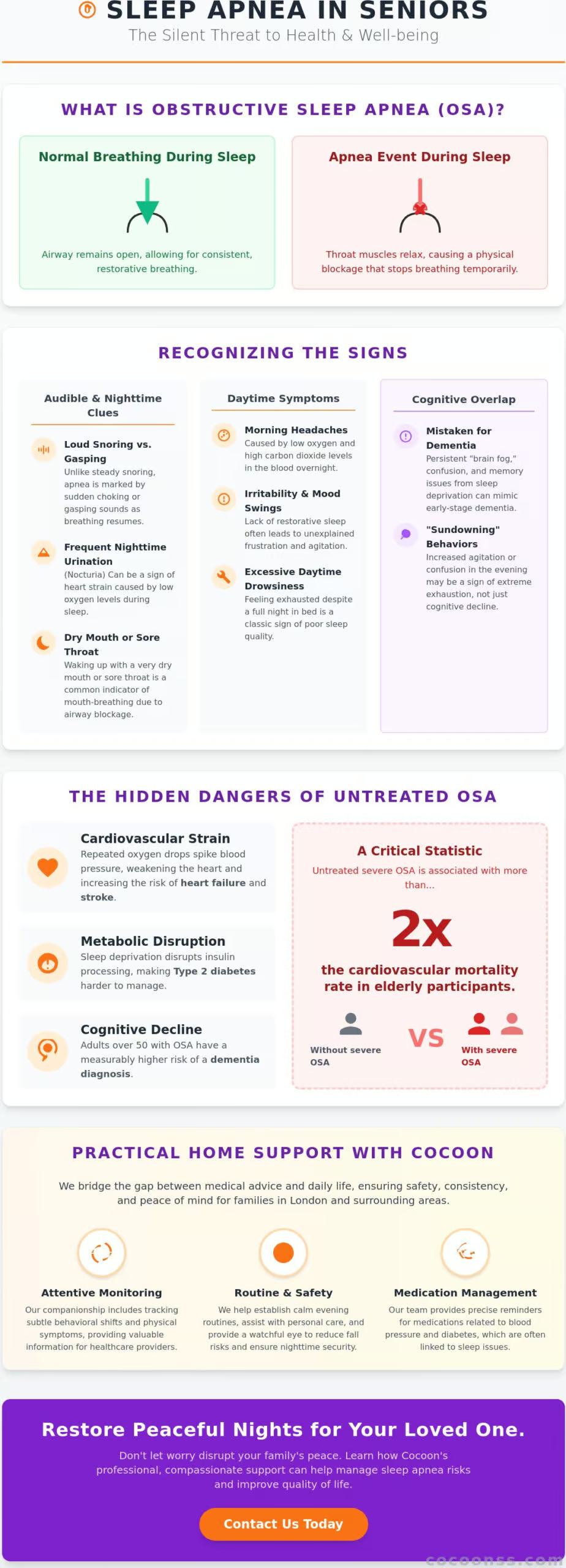
Sleep should be a time of restoration. It’s a period where the body finds its inner peace and prepares for a new day. For many older adults, this quiet time is interrupted by Obstructive Sleep Apnea (OSA). This condition happens when the airway is physically blocked during rest because the throat muscles relax too much. For a comprehensive overview of sleep apnea, one must look beyond simple snoring. It’s a cycle of breathing pauses that disrupts the body’s natural recovery.
Identifying 1. Sleep apnea in seniors: hidden risks and signs begins with attentive listening. While typical snoring is often a steady sound, apnea is marked by sudden gasps or choking noises that break the silence. You might notice your parent wakes up with a heavy morning headache or seems unusually irritable during lunch. Many seniors won’t report these symptoms. They’ve lived with poor sleep for so long that they simply habituate to the exhaustion.
To better understand how these symptoms manifest in daily life, watch this helpful video:
The Overlap with Cognitive Decline
Poor sleep quality often creates a persistent “brain fog.” Families in London and surrounding areas sometimes mistake this confusion for early-stage dementia. It’s a common concern. If you notice “sundowning” behaviors, where agitation increases as the sun sets, it might actually be a sign of extreme sleep deprivation. Cocoon provides companionship that helps track these subtle behavioral shifts, ensuring your loved one feels safe and understood throughout the evening.
Physical Red Flags to Watch For
Some signs are quite surprising. Frequent trips to the bathroom at night, known as nocturia, can be a signal of heart strain caused by apnea. It’s the body’s way of responding to a lack of oxygen. Waking up with an incredibly dry mouth or a sore throat is another common indicator. These small details are the first clues that a senior’s night is far from restful. Cocoon Senior Services supports families by noticing these physical changes early, helping you find the right path to professional care.
The Hidden Health Risks: Why Sleep Apnea is Dangerous for Seniors
The body’s need for oxygen is constant. When breathing stops during sleep, the heart must work harder to compensate. This repeated strain creates significant hidden health risks of sleep apnea that often go unnoticed during the day. For seniors, these interruptions aren’t just about feeling tired. They trigger a cascade of internal stress. Research indicates that untreated severe OSA is associated with more than double the cardiovascular mortality rate in elderly participants.
Cardiovascular Impact and Stroke Risk
Each time oxygen levels dip, the brain sends a “fight or flight” signal. This sudden surge spikes blood pressure instantly. Over months and years, this nocturnal stress weakens the heart muscle. Seniors already managing hypertension face double the risk of heart failure or stroke if apnea remains untreated. It’s a heavy burden for the body to carry while it’s supposed to be resting.
Metabolic Impact and Safety Concerns
Sleep deprivation also complicates metabolic health. It disrupts how the body processes insulin, making Type 2 diabetes much harder to manage. Beyond the internal chemistry, there’s a very real physical danger. Chronic exhaustion leads to daytime dizziness. This lack of alertness significantly increases the risk of falls, which is a primary concern for families in London and surrounding areas.
Mental Health and Cognitive Decline
There’s a critical link between sleep quality and brain health that’s often overlooked. Untreated 1. Sleep apnea in seniors: hidden risks and signs can accelerate cognitive decline. Adults over 50 with OSA have a measurably higher risk of a dementia diagnosis. Restorative sleep is the foundation of emotional resilience. Without it, depression and anxiety can take root more easily. Providing a supportive environment where a senior feels safe can change everything. If you’re worried about your parent’s safety at night, our companionship and household support offer the watchful eye they need to rest securely.
Practical Home Support in London and Surrounding Areas
Managing the logistics of sleep health can feel overwhelming for families. While doctors provide the diagnosis, the daily implementation happens at home. Cocoon Senior Services acts as your partner in this journey. We help manage the serious health risks of sleep apnea by ensuring medical advice becomes a lived reality. Our team provides precise medication reminders for blood pressure or diabetes. These conditions often travel alongside sleep issues. Staying on top of these needs helps stabilize your loved one’s overall health.
Ensuring Safety and Routine at Home
A calm evening is the precursor to a better night. Our personal care includes assisting with nighttime routines that prioritize peace. We focus on meal preparation that supports healthy weight management. Since weight is a primary risk factor for OSA, nourishing meals are essential. Our professional household support also offers a gift to the family. It allows family caregivers to step back. They can finally find their own restorative rest. You can sleep soundly knowing your parent is safe.
A Holistic Approach to Senior Well-being
We serve as the “eyes and ears” for families in London and surrounding areas. Our caregivers notice the subtle shifts in alertness or mood that might indicate a change in sleep quality. This vigilance is especially vital for those navigating dementia and Alzheimer’s care. Sleep issues and memory loss often intertwine. Specialized support becomes a necessity. We help families understand 1. Sleep apnea in seniors: hidden risks and signs through consistent companionship. By choosing Cocoon, you’re creating a circle of safety and expertise around your loved one.
Restoring Peace and Safety to Your Home
Every night should be a quiet retreat into rest. Recognizing 1. Sleep apnea in seniors: hidden risks and signs is more than a medical task; it’s an act of love that protects your parent’s heart and cognitive health. We’ve explored how subtle gasps can signal serious cardiovascular strain. You now know why consistent routines are the foundation of safety. By staying alert to 1. Sleep apnea in seniors: hidden risks and signs, you ensure that the home remains a place of genuine recovery.
Cocoon was founded by a certified dementia and Alzheimer’s care professional to provide this exact level of specialized vigilance. Whether your loved one needs help with chronic condition management or post-surgery recovery, our personalized home care brings professional expertise directly to their bedside. We serve families across London and surrounding areas, offering the watchful eye that allows both you and your parent to breathe easier while navigating 1. Sleep apnea in seniors: hidden risks and signs.
Don’t let another night of worry pass by. Request a Free Care Consultation with Cocoon Senior Services today to find the support your family deserves. You don’t have to carry this burden alone; peace of mind is within reach.
Frequently Asked Questions
Can sleep apnea be cured in seniors without a CPAP machine?
Management of sleep apnea often involves lifestyle adjustments rather than a permanent cure. While CPAP remains a common treatment, alternatives such as mandibular advancement devices or side-sleeping aids can be effective for milder cases. In London and surrounding areas, some hospitals now offer newer surgical options like hypoglossal nerve stimulation. Cocoon supports these medical goals through meal preparation that aids weight management, which is a key factor in reducing airway obstruction.
How can I tell the difference between normal snoring and sleep apnea?
Normal snoring is usually a steady sound, while apnea is characterized by abrupt silence followed by sharp gasping or choking noises. These pauses in breath are the most telling indicators of 1. Sleep apnea in seniors: hidden risks and signs. You might also notice your parent feels extremely groggy despite spending a full night in bed. If the snoring sounds like a physical struggle for air, it’s time to seek a professional assessment.
Is sleep apnea a symptom of dementia or a cause?
Sleep apnea is viewed as a significant risk factor that can accelerate cognitive decline rather than being a symptom of dementia itself. Chronic oxygen deprivation during the night damages brain tissue and can worsen memory loss. Research shows that adults over 50 with OSA face a measurably higher risk of a dementia diagnosis. Improving sleep quality through specialized dementia and Alzheimer’s care can often help clear the “brain fog” associated with these conditions.
What should I do if my elderly parent refuses to go to a sleep clinic?
Suggest a private home sleep test as a gentler alternative to an intimidating overnight stay at a clinical facility. These home tests are discreet and allow your parent to remain in the comfort of their own bed while gathering vital data. Focus the conversation on their daytime energy and comfort rather than medical labels. Cocoon caregivers can provide companionship and monitoring to document breathing patterns, which helps you provide clear evidence to their GP during a routine appointment.
Disclaimer
We aim to provide helpful guidance for seniors and families, but this content should not replace professional medical advice. Some links may be affiliate links, and we are not responsible for third-party content.