
When Healthcare-Savvy London Seniors Refuse Home Help
Imagine suggesting a simple safety rail to a retired surgeon, only to be met with a detailed lecture on orthopedic biomechanics and the insistence that they are perfectly fine. It is a quiet, exhausting struggle when your senior parent has been in the health field and feel they don’t need help in the home. You find yourself retreating, feeling like a student again rather than a concerned adult. This expert deflection is common across London and surrounding areas, where professional identity remains a powerful shield against the vulnerabilities of aging.
We understand that you don’t want to “parent” the person who taught you everything about resilience. You deserve to move from a place of constant friction to a role of quiet, supportive partnership. This guide explores how to provide essential safety without bruising a distinguished professional ego. You will find practical scripts for those delicate conversations and learn how Cocoon Senior Services provides the high standard of care that even a former clinician can respect. We will show you how to shift from caregiving to consulting, ensuring your loved one remains the expert of their own life while staying safe.
Key Takeaways
- Understand why retired medical professionals view in-home assistance as a threat to their identity and how to validate their lifelong expertise.
- Learn to use a “Peer Review” strategy when your senior parent has been in the health field and feel they don’t need help in the home to regain their trust.
- Reframe home support as an “Executive Assistant” service that manages lifestyle logistics rather than clinical needs to bypass professional resistance.
- Discover how Cocoon Senior Services offers high-standard companionship and personal care tailored for discerning seniors in London and surrounding areas.
- Access practical conversation scripts that help you move from a stressful caregiver role to a respected consultant in your parent’s daily life.
Understanding the Expert Trap: Why Former Healthcare Professionals Resist Support
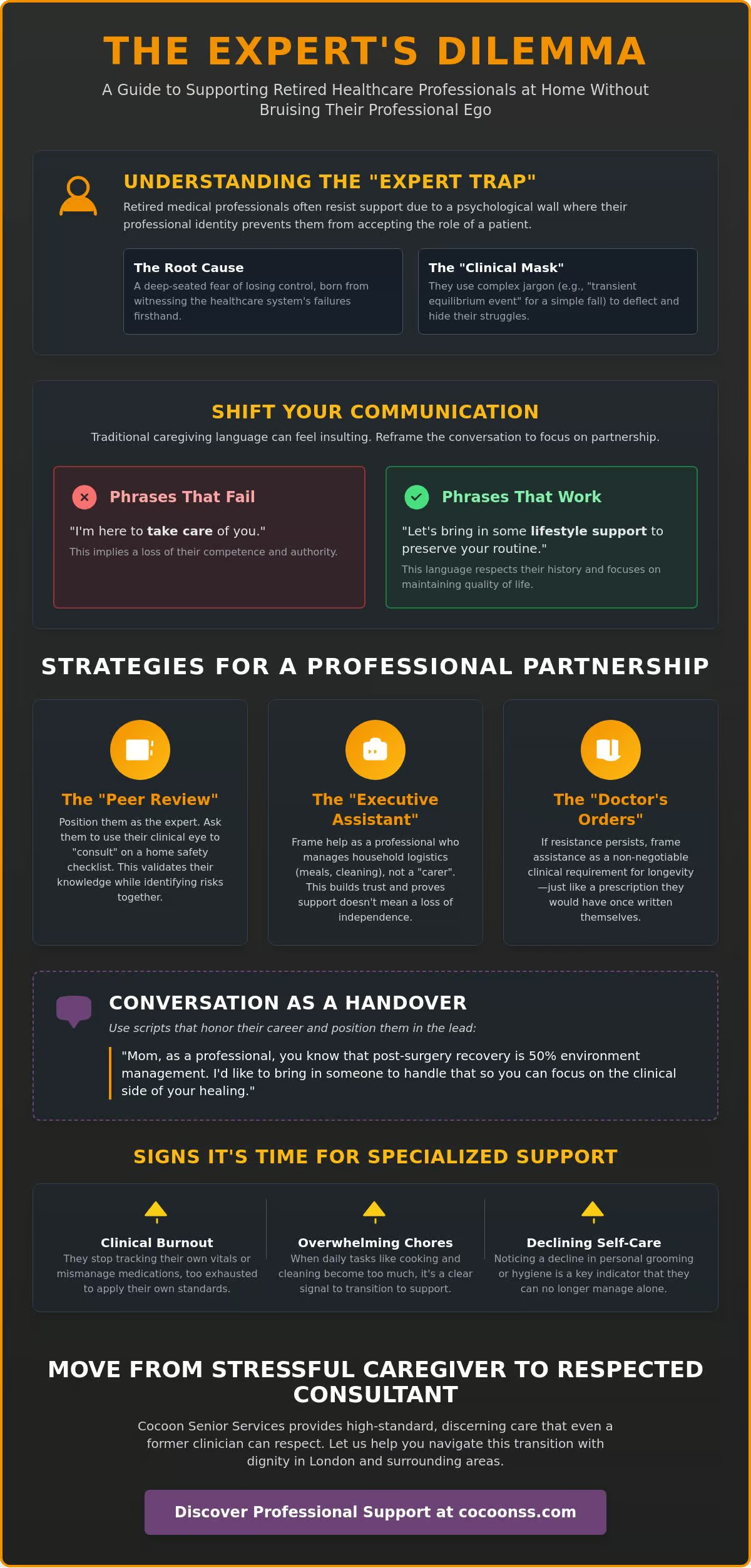
The white coat is a second skin. It doesn’t disappear with retirement. For those who dedicated their lives to clinical excellence, the home remains the last frontier of their authority. When your senior parent has been in the health field and feel they don’t need help in the home, they are often wrestling with the Expert Trap. This is a psychological wall where their professional history prevents them from accepting the role of a patient. They’ve seen the systemic failures of the healthcare industry firsthand. This experience creates a deep fear of losing control over their own environment.
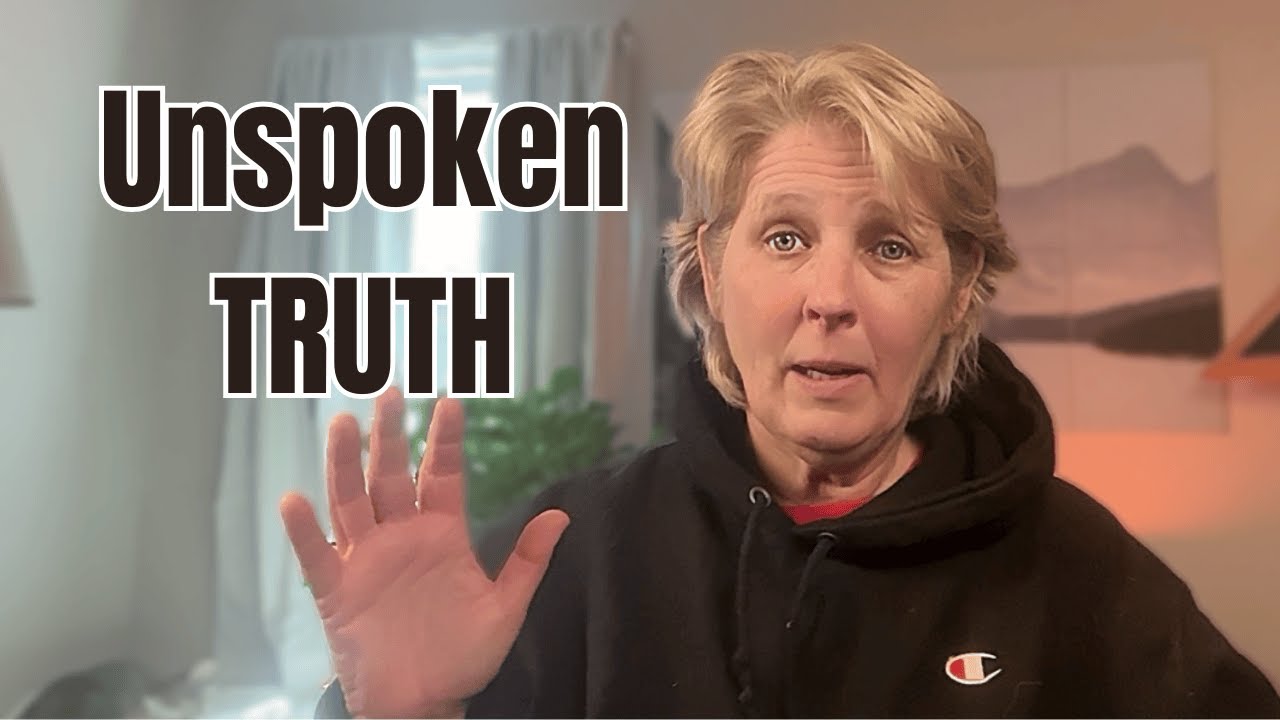
To better understand the emotional weight of this transition, watch this helpful video:
The Clinical Mask: How They Hide the Need for Help
Medical experts are masters of deflection. They use complex jargon to mask physical decline, turning a simple fall into a “transient equilibrium event.” This clinical mask allows them to hide struggles with basic daily tasks. They may insist on self-treating conditions that require professional eyes, believing their past experience overrides their current needs. It is a sophisticated form of psychological resistance to change that leaves families feeling unqualified to intervene.
Why Traditional Caregiving Phrases Fail
When your senior parent has been in the health field and feel they don’t need help in the home, standard caregiving language often backfires. Phrases like “I’m here to take care of you” can feel like an insult to their professional legacy. They don’t want to be “cared for”; they want their standards upheld. Shift the narrative toward partnership. In London and surrounding areas, Cocoon focuses on maintaining the high quality of life they worked so hard to build. Language that emphasizes “preserving your routine” or “lifestyle support” respects their history without bruising their ego.
Practical Strategies to Reframe Support as a Professional Partnership
Navigating the transition from authority figure to support recipient requires a shift in your own tactics. When your senior parent has been in the health field and feel they don’t need help in the home, they aren’t just being difficult. They are protecting their professional identity. Instead of arguing, try a “Peer Review.” Ask them to use their clinical eye to evaluate a home safety checklist. By positioning them as the expert consultant, you validate their knowledge while identifying risks together. It is a vital way to respect their right to the refusal of care while ensuring their environment is safe.
Another effective strategy is to reframe the role of support. When your senior parent has been in the health field and feel they don’t need help in the home, don’t introduce a “carer.” Instead, present the help as an “Executive Assistant” for their household. This professional manages the logistics of meal preparation and housekeeping, allowing your parent to focus on their own recovery or interests. Starting with these non-medical tasks builds a foundation of trust. It proves that help doesn’t mean a loss of independence. If resistance persists, lean on the “Doctor’s Orders.” Frame the assistance as a clinical requirement for longevity, much like a prescription they would have once written for their own patients.
The Consultant Approach: Using Their Expertise as a Bridge
Communication is more effective when it sounds like a professional handover. Use scripts that honor their career. “Mom, as a professional, you know that post-surgery recovery is 50% environment management. I’d like to bring in someone to handle that so you can focus on the clinical side of your healing.” Ask for their “supervision” of the new routine. This keeps them in the lead. You can find more household support strategies that respect this professional boundary.
Identifying the Right Time for Specialized Support
Watch for signs of “clinical burnout.” This happens when a former professional stops tracking their own vitals or mismanages their medication. They may be too exhausted to maintain the standards they once demanded of others. When chores become overwhelming, it is time to transition. This is especially vital for those needing dementia or palliative care in London and surrounding areas. Recognizing these shifts early ensures safety remains the priority without compromising their dignity.
Transitioning to Professional Support with Cocoon Senior Services
Cocoon Senior Services acts as a sophisticated partner for families who require more than just basic assistance. We understand that your loved one has spent decades as the authority in the room. When your senior parent has been in the health field and feel they don’t need help in the home, our approach shifts to match their expectations. We provide high-standard personal care and companionship that honors their professional history while ensuring their daily environment remains impeccable. Our team focuses on maintaining independence through tailored household support and medication reminders. We don’t just help; we facilitate a lifestyle.
For those facing the complexities of Alzheimer’s or dementia, we provide specialized care with professional dignity. This ensures that safety never feels like a surrender of self. We prioritize the preservation of their routine, ensuring they remain the decision-maker in their own home. By focusing on the nuances of their personal history, we create a supportive environment that feels like a natural extension of their own high standards. This is how we support families across London and surrounding areas.
Why Cocoon Meets the Standards of Healthcare Professionals
Cocoon was founded specifically to address the visible gaps in government-funded care models. We know that a retired clinician values intellectual stimulation as much as physical safety. Our companionship care is built on meaningful engagement, not just presence. You can read more about our philosophy in this guide to Senior Home Care Services in London, Ontario. We focus on the details that matter to a trained eye, from the quality of meal preparation to the precision of a daily routine.
Starting the Conversation with Cocoon
The best way to introduce support is through a professional assessment of the home. This reframes the first meeting as a consultation rather than an admission of need. When your senior parent has been in the health field and feel they don’t need help in the home, they often respond better to a peer-to-peer evaluation. We invite you to explore the Cocoon YouTube channel for expert tips on managing this delicate transition. Book a consultation today to see how Cocoon Senior Services supports families in London and surrounding areas with grace and expertise.
Empowering Their Independence Through Professional Partnership
Guiding a former medical professional toward accepting help is about honoring their lifetime of expertise. We’ve explored how shifting your language from “care” to “consultation” preserves their dignity. By using peer-review strategies and focusing on lifestyle support, you move away from conflict and toward a shared vision of safety. It’s often a complex journey when your senior parent has been in the health field and feel they don’t need help in the home. However, reframing the support as a high-standard professional partnership can change everything.
Cocoon Senior Services provides the sophisticated, companionship-focused approach that healthcare veterans respect. We offer specialized Dementia and Alzheimer’s care alongside tailored household support across London and surrounding areas. Our goal is to meet the professional-grade standards your family expects. You can regain your role as a daughter or son while we manage the clinical-level details of home life. Request a Professional Care Consultation with Cocoon Senior Services today. You deserve the peace of mind that comes with knowing their legacy and their lifestyle are in expert hands.
Frequently Asked Questions
How do you help an aging parent who refuses help?
The most effective way to support a resistant parent is to introduce assistance gradually through non-medical services. Start with household support or meal preparation rather than personal care. This approach focuses on lifestyle logistics rather than physical decline. It allows Cocoon to build a foundation of trust. By framing the help as a way to preserve their energy for things they enjoy, you reduce the perceived threat to their autonomy in London and surrounding areas.
What do you do when a retired nurse refuses home care?
You must shift from a caregiving narrative to a professional partnership. When your senior parent has been in the health field and feel they don’t need help in the home, they often view assistance as a critique of their own clinical competence. Ask for their “expert supervision” of a new household support routine. This keeps them in the role of the authority figure. Cocoon Senior Services specializes in this peer-to-peer approach, ensuring our support meets their high professional standards.
Can I force my parent to have in-home care in Ontario?
No, mentally capable adults in Ontario have the legal right to refuse any form of care or treatment. Under the Health Care Consent Act, a person’s autonomy is protected unless they are found to be mentally incapable of making specific decisions. Instead of using force, focus on building a collaborative environment. We suggest starting with companionship or appointments support. These services feel less intrusive and help bridge the gap toward accepting more comprehensive personal care over time.
How do I talk to my parent about personal care without offending them?
Focus the conversation on “maintaining standards” and “quality of life” rather than their inability to perform tasks. Use “I” statements to express your own peace of mind. For example, tell them that having professional household support allows you to focus on your relationship as a family rather than acting as a manager. Emphasize that Cocoon provides high-level companionship that respects their history. This shifts the focus from what they are losing to what they are gaining in London and surrounding areas.
Disclaimer
We aim to provide helpful guidance for seniors and families, but this content should not replace professional medical advice. Some links may be affiliate links, and we are not responsible for third-party content.