
Loneliness vs. Depression: Signs for London Seniors
Last Tuesday, you noticed your father hadn’t touched his favourite crosswords, and the stillness in his North London home felt heavier than usual. It’s a delicate, quiet moment when you start to ask yourself, how can I tell whether my parent is lonely or becoming depressed? You aren’t alone in this uncertainty. It’s natural to feel a pang of guilt or fear that you’re overreacting to the soft, slower rhythms of aging. We understand that you want to protect their inner peace without medicalizing every somber afternoon. This guide will help you recognize the subtle differences between social isolation and clinical depression through gentle, practical observation. We’ll share how families in London and St. Thomas can use companionship as a bridge to emotional safety. By understanding these nuances, you’ll know when to offer more time at home and when to call for professional support.
Key Takeaways
- Learn to identify the distinct emotional patterns and physical shifts that help you answer the question: how can I tell whether my parent is lonely or becoming depressed?
- Discover how to recognize subtle “red flags” during your visits, such as a neglected home environment or a sudden withdrawal from long-held hobbies in the London community.
- Understand the vital difference between the social hunger of loneliness and the clinical weight of depression to ensure your parent receives the right level of care.
- Gain practical strategies for fostering connection, from meaningful social check-ins to gentle physical activity at local spots like the Port Stanley pier.
Distinguishing Between Senior Loneliness and Clinical Depression
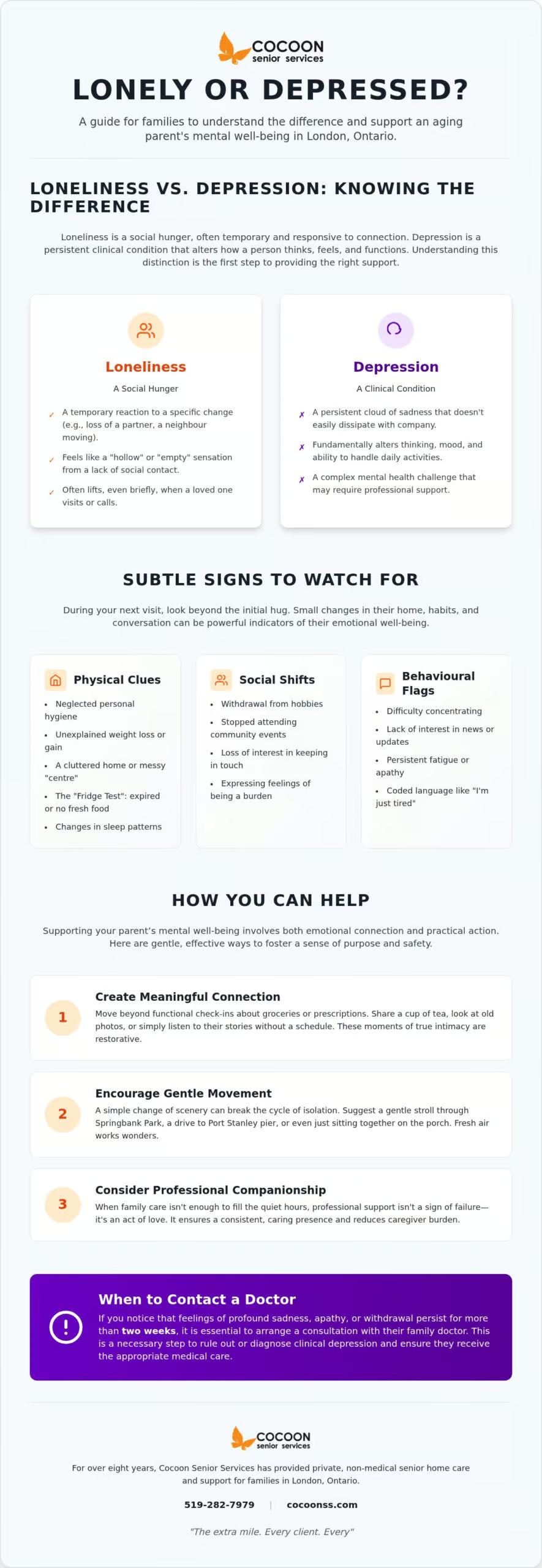
Loneliness is a social hunger. It’s that hollow feeling when the house is too quiet. Often, it’s a temporary reaction to a specific change, like a neighbour moving away or the loss of a lifelong partner. Depression, however, is a clinical condition. It doesn’t just make a parent feel sad; it fundamentally alters how they think, feel, and handle their daily activities. Knowing the difference is vital for choosing the right support in the London area.
I am often asked, “How can I tell whether my parent is lonely or becoming depressed?” The key often lies in how they respond to connection. Loneliness usually lifts, even briefly, when a loved one visits or the phone rings. Depression is much heavier. It’s a persistent cloud that doesn’t necessarily dissipate just because company has arrived. While loneliness is a significant risk factor for depression, these states are not identical. One is a lack of social contact; the other is a complex mental health challenge.
The Overlap: When Isolation Becomes a Health Risk
The two states frequently share a common language of symptoms. You might notice your parent seems constantly fatigued or has developed irregular sleep patterns. Chronic isolation is more than an emotional burden; it is a physiological stressor. Over time, understanding loneliness in seniors becomes a matter of physical health. Prolonged social isolation can actually change brain chemistry, potentially leading to clinical depressive episodes. In our eight years of serving local families, we’ve seen how consistent, meaningful companionship can act as a preventative measure, protecting the inner peace of seniors in London and St. Thomas.
Subtle Signs to Watch for During Your Next Visit
Walking through your parent’s front door offers a unique window into their daily well-being. During your next visit, look beyond the initial hug. Physical indicators like neglected personal hygiene, unexplained weight loss, or a new “centre” of clutter on the kitchen table can signal that daily tasks have become overwhelming. The “Fridge Test” is particularly revealing. A fridge containing only expired condiments or lacking fresh groceries often points to a decline in motivation and self-care.
Social shifts are equally telling. If they’ve stopped attending local London community events or have withdrawn from long-held hobbies, it may be more than just a quiet phase. According to the National Institute on Aging, social isolation is a major risk factor for Depression and Older Adults. You might ask yourself during these quiet observations, how can I tell whether my parent is lonely or becoming depressed? Cognitive changes, such as difficulty concentrating on family updates or a sudden lack of interest in the news, often provide the answer.
Behavioural Red Flags vs. Normal Aging
It’s easy to mistake clinical apathy for simply “slowing down.” While aging might mean a gentler pace, it shouldn’t mean a total loss of joy. Listen for coded language. Phrases like “I’m just tired” or “It doesn’t matter anyway” are often shields for deeper emotional pain. If you notice these shifts, our companionship and household support can provide the gentle, consistent presence needed to restore a sense of purpose. We believe in observing the small details that others might miss.
Practical Steps to Support Your Parent’s Mental Well-being
When you ask, “How can I tell whether my parent is lonely or becoming depressed?” the answer often reveals itself through the quality of your time together. We encourage you to move beyond functional check-ins, like asking about prescriptions or groceries. Instead, create space for meaningful connection. Share a cup of tea. Listen to their stories without a schedule. These moments of intimacy are restorative. Supporting mental health also involves movement. A gentle stroll through Springbank Park or along the Port Stanley pier can work wonders. Fresh air and a change of scenery help break the cycle of isolation that often leads to deeper issues, as supported by research on loneliness and depression in older adults.
There comes a point where family care alone may not be enough to sustain both you and your parent. Transitioning to professional companionship isn’t a sign of failure; it’s an act of love. It reduces the caregiver burden and ensures your parent has a consistent, professional presence during the hours you cannot be there. At Cocoon Senior Services, our approach is built on the “extra mile” philosophy. We don’t just provide household support; we provide active emotional monitoring and engagement that keeps seniors connected to the world around them.
Connecting with London, Ontario Resources
Local companionship services bridge the gap when life’s demands pull you away. If you notice that feelings of sadness or withdrawal persist for more than two weeks, a consultation with their family doctor is a necessary next step. We invite you to reach out to Cocoon Senior Services for a free consultation. We’ve served local families for more than eight years, providing the professional, non-medical support needed to nurture emotional safety at home.
The extra mile. Every client. Every
Nurturing Emotional Safety at Home
Recognizing the subtle shift from a quiet afternoon to a clinical struggle requires both time and a gentle heart. By observing changes in their home environment and listening for “coded” language, you’ve already begun the vital work of advocacy. Asking yourself, “How can I tell whether my parent is lonely or becoming depressed?” is the first step toward ensuring they feel truly seen and supported. Whether it’s through consistent social check-ins or a walk by the Port Stanley pier, your presence matters. If you are worried about your parent’s isolation, contact Cocoon Senior Services at 519-282-7979 for a compassionate care consultation. With more than eight years of award-winning experience, we provide the private, non-medical support London families trust to bridge the gap between solitude and connection. You don’t have to navigate this transition alone.
The extra mile. Every client. Every
Frequently Asked Questions
Is it normal for seniors to become more isolated as they age?
While social circles may naturally shrink, chronic isolation is not a normal part of healthy aging. It is often a result of mobility issues, loss of peers, or lack of transportation in areas like London and St. Thomas. Left unaddressed, this isolation can erode a senior’s mental and physical health; this makes proactive companionship a vital preventative measure for maintaining their inner peace.
How do I bring up the topic of depression with my parent without offending them?
Approach the conversation with gentleness and curiosity rather than a medical diagnosis. Start by sharing specific observations, like, “I’ve noticed you aren’t enjoying your garden as much lately.” This shifts the focus from their character to their well-being. Keeping the question, “how can I tell whether my parent is lonely or becoming depressed?” in mind helps you stay focused on supporting their emotional safety.
Can loneliness in seniors lead to physical health problems?
Yes, prolonged loneliness acts as a significant physiological stressor. Research indicates it can lead to higher blood pressure, weakened immune systems, and increased risks of heart disease. In our eight years of serving local families, we’ve seen how providing consistent household support and social engagement can physically revitalize a senior. It helps them maintain their independence and vitality within the comfort of their own home.
Disclaimer
We aim to provide helpful guidance for seniors and families, but this content should not replace professional medical advice. Some links may be affiliate links, and we are not responsible for third-party content.