
Baby Doll Therapy for Dementia in London & St. Thomas
What if a soft, weighted object could offer more comfort to your mother’s spirit than any clinical intervention? It’s difficult to watch a parent pace the living room as the sun sets, their hands searching for a task that no longer exists. You likely feel a heavy weight of guilt, wondering how to calm their restless energy while still honouring the person they’ve always been. Many families across London and St. Thomas are discovering that baby doll therapy for dementia provides a beautiful, tactile way to anchor a loved one in a moment of peace.
You deserve to see your parent feel useful and calm again. In this article, you’ll learn how therapeutic dolls reduce agitation and provide a renewed sense of purpose. We’ll walk through the practical ways to introduce these companions respectfully, ensuring your loved one feels safe, seen, and deeply cared for within their own home.
Key Takeaways
- Understand how attachment theory creates a sanctuary of security, using the weight and texture of a doll to anchor a senior during times of distress.
- Learn how to introduce a therapeutic companion with grace, ensuring the interaction is always the senior’s choice and never forced.
- Identify the essential features of a therapeutic doll, from realistic weight to soft materials, that help soothe the symptoms of sundowning.
- See how professional care in London and St. Thomas integrates baby doll therapy for dementia into daily routines to foster a renewed sense of nurturing and calm.
The Science and Heart of Baby Doll Therapy for Dementia
Baby doll therapy for dementia isn’t about playing with toys. It’s a thoughtful, non-pharmacological intervention that uses lifelike dolls to provide deep comfort and sensory stimulation. For many seniors in London and St. Thomas, these dolls act as a bridge back to a feeling of calm. They offer something tangible to hold when words begin to fail. This approach is recognized within the broader field of psychological therapies for dementia as a way to meet unmet emotional needs without relying solely on medication.
The effectiveness of this therapy often rests on attachment theory. When the world feels fragmented and confusing, the innate human desire for connection remains. Holding a doll provides a sense of security and a focal point for affection. It grounds the individual, offering a steady presence in a shifting environment.
To better understand how this practice transforms daily life in care settings, watch this helpful video:
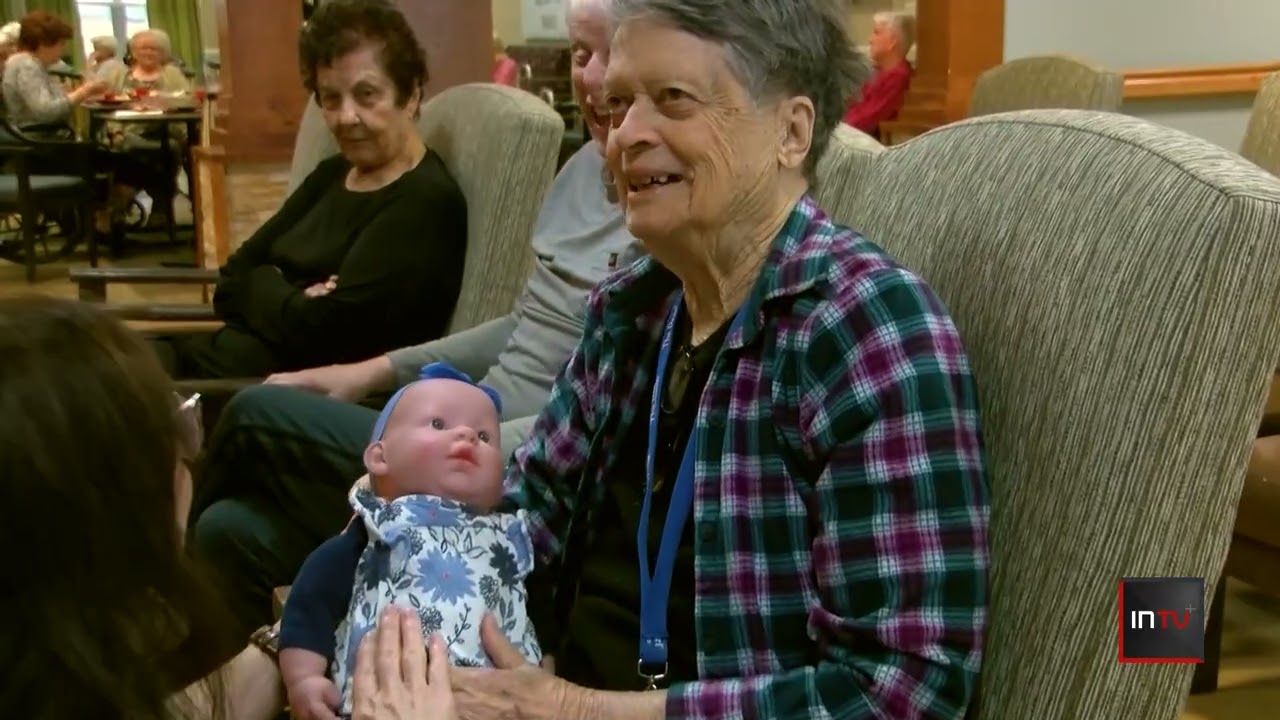
In my eight years of serving local families, I’ve seen how caring for a doll can soften the edges of difficult behaviours. It often reduces the restless pacing and vocal agitation that frequently peak during the late afternoon. This “sundowning” period becomes more manageable when a senior has a purposeful task, like tucking in a “baby” or simply holding it close.
Emotional Benefits: From Restlessness to a Sense of Purpose
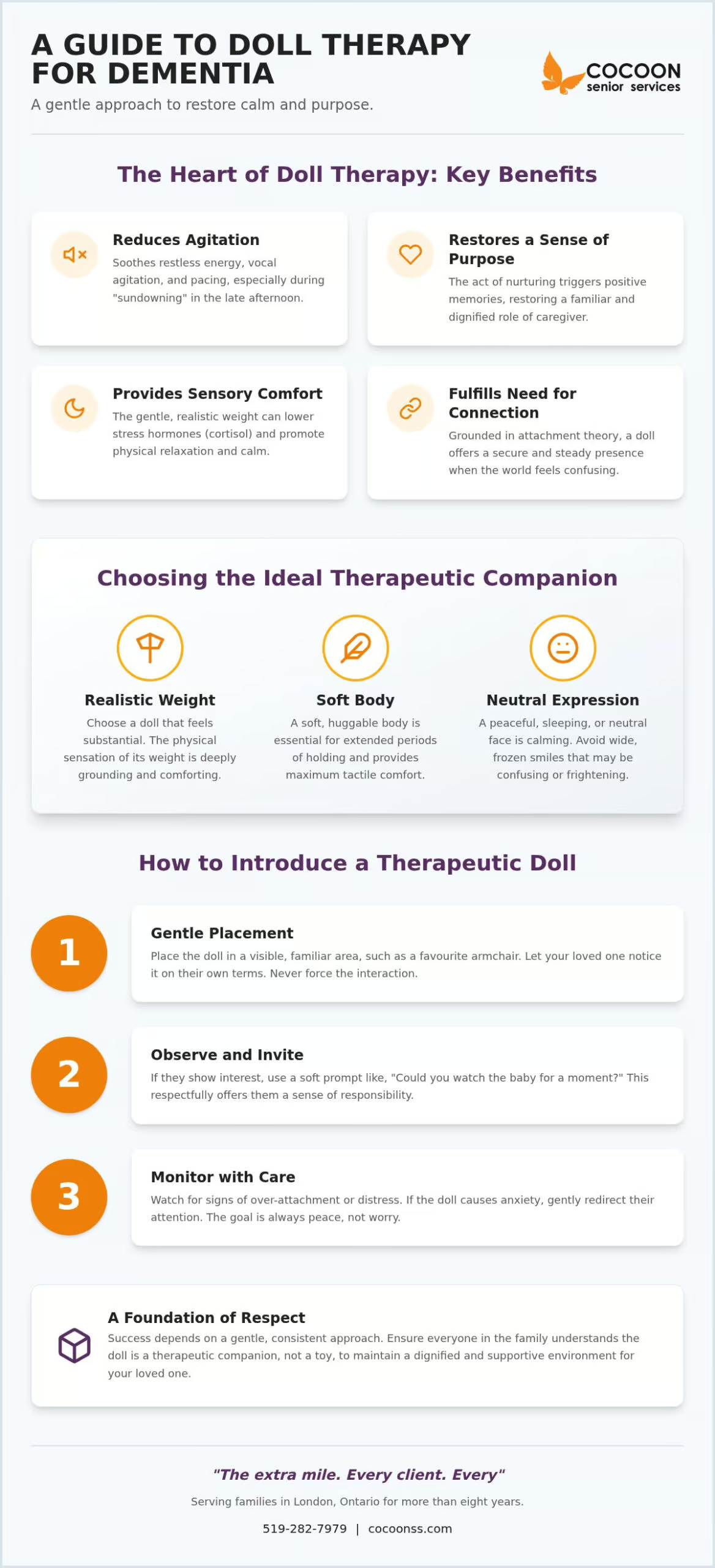
The act of nurturing triggers profound, positive memories of parenthood or caregiving. It restores a familiar, dignified role. A weighted doll provides specific sensory benefits, as the gentle pressure can lower cortisol levels and promote physical relaxation. This isn’t about “playing”; it’s about emotional regulation and keeping your loved one anchored in the present moment.
How to Respectfully Introduce a Therapeutic Doll at Home
Introducing baby doll therapy for dementia requires a gentle touch. It’s not a clinical prescription; it’s an invitation to connect. A systematic review of doll therapy highlights its potential to improve well-being, but the success often hinges on how the companion is presented. Never force a doll into a senior’s arms. This can feel infantilizing or intrusive. Instead, let the discovery happen naturally, allowing your loved one to lead the way.
The choice of doll matters immensely. Look for a companion with a realistic weight, as the physical sensation of holding something substantial is deeply grounding. A soft body is essential for comfort during long periods of holding. I always recommend dolls with neutral facial expressions. A wide, frozen smile can sometimes be confusing or even frightening for someone experiencing cognitive decline, whereas a peaceful face invites a calm response.
Consistency is your greatest ally. Speak with other family members to ensure everyone maintains a respectful approach. If one person treats the doll like a toy and another like a baby, it creates a jarring environment. If you need guidance on aligning your family’s approach, we can support your caregiving journey through our specialized dementia tips.
A Step-by-Step Introduction for Caregivers
- Step 1: Place the doll in a visible, familiar area, such as a favourite armchair or the side of the sofa. Wait for the senior to notice it on their own terms.
- Step 2: Observe their initial reaction. If they show interest or reach out, use a soft prompt like, “Could you watch the baby for a moment while I tidy up?” This offers them a sense of responsibility.
- Step 3: Monitor for signs of over-attachment or distress. If the senior becomes anxious about the doll’s “crying” or safety, the doll might be causing more worry than peace. In these cases, a gentle redirection is best.
Integrating Professional Support for Dementia Care in London, Ontario
Bringing a therapeutic companion into the home is a tender process that often flourishes with professional guidance. Our team at Cocoon Senior Services acts as a gentle partner during this transition. During regular companionship visits, we facilitate baby doll therapy for dementia by observing how it fits into your loved one’s unique daily rhythm. We don’t just provide a presence; we provide purposeful, quiet engagement that respects the senior’s autonomy.
Having a certified professional present offers a vital layer of security and insight. We notice the small, beautiful details, like a softening of the jaw or a steadier breath when the doll is held. These observations help us refine the care plan, ensuring the therapy remains a source of peace rather than a new worry. For families in London or St. Thomas, this professional oversight provides essential respite. It’s a chance for you to breathe and rest, knowing your parent is safely anchored in a nurturing, dignified role.
The Cocoon Approach: Specialized Care for London Families
Our dedicated team focuses on “The extra mile” by tailoring every interaction to a client’s personal history. We don’t believe in generic care. For over eight years, Cocoon has walked alongside local families, helping them navigate the shifting tides of Alzheimer’s with grace. We understand that home is a sanctuary, and we treat every moment within it with the highest quality of care and intimacy.
The extra mile. Every client. Every. Contact us at 519-282-7979 or visit cocoonss.com to discuss a personalized care plan.
Restoring Calm and Connection at Home
Embracing baby doll therapy for dementia is about more than managing behaviours; it’s about honouring the heart’s enduring need for purpose. By selecting a lifelike companion and allowing for a natural discovery, you offer your loved one a tangible sense of security. Professional observation ensures this therapy remains a dignified tool for grounding and peace. At Cocoon Senior Services, our certified specialists bring over eight years of award-winning local care to families across London and St. Thomas. We provide the expert guidance needed to navigate these transitions with grace. Book a Free Dementia Care Consultation in London, Ontario today to explore a personalized path forward. You deserve the comfort of knowing your loved one is truly seen and supported.
The extra mile. Every client. Every.
Frequently Asked Questions
Is baby doll therapy demeaning to a senior with dementia?
Baby doll therapy for dementia is not demeaning when it’s introduced with dignity and used to meet deep-seated emotional needs. It provides a sense of purpose and comfort that clinical environments often lack. Rather than infantilizing the senior, this approach honours their lifelong desire to nurture and care for others, helping them feel useful and grounded in an often confusing world.
What should I do if my loved one becomes too distressed when the doll is away?
If separation causes visible distress, it’s best to allow your loved one to keep the doll close. However, if they begin to worry excessively about the doll’s safety or well-being, the therapy may be causing unintended anxiety. Our professional caregivers in London can observe these interactions during companionship visits to help determine if the doll remains a source of peace or a new worry.
How do I choose the best type of doll for therapy?
The best therapeutic dolls have a realistic weight and a soft, huggable body that provides immediate sensory comfort. Choose a doll with a neutral facial expression rather than a wide, frozen smile, which can be confusing for those with cognitive decline. Avoid interactive dolls that cry or move mechanically. These unexpected sounds can startle a senior and lead to increased agitation rather than a lasting calm.
Can men benefit from doll therapy as well as women?
Men can benefit significantly from this approach, as the desire to protect and nurture is a universal human experience. While some men prefer realistic dolls, others may find more comfort in weighted plush animals or interactive pets. The key is the tactile sensation and the sense of responsibility, which helps reduce the restless pacing often seen in seniors living in St. Thomas and London.
Disclaimer
We aim to provide helpful guidance for seniors and families, but this content should not replace professional medical advice. Some links may be affiliate links, and we are not responsible for third-party content.