
Skin Changes in Aging: Guide for London & St Thomas Seniors
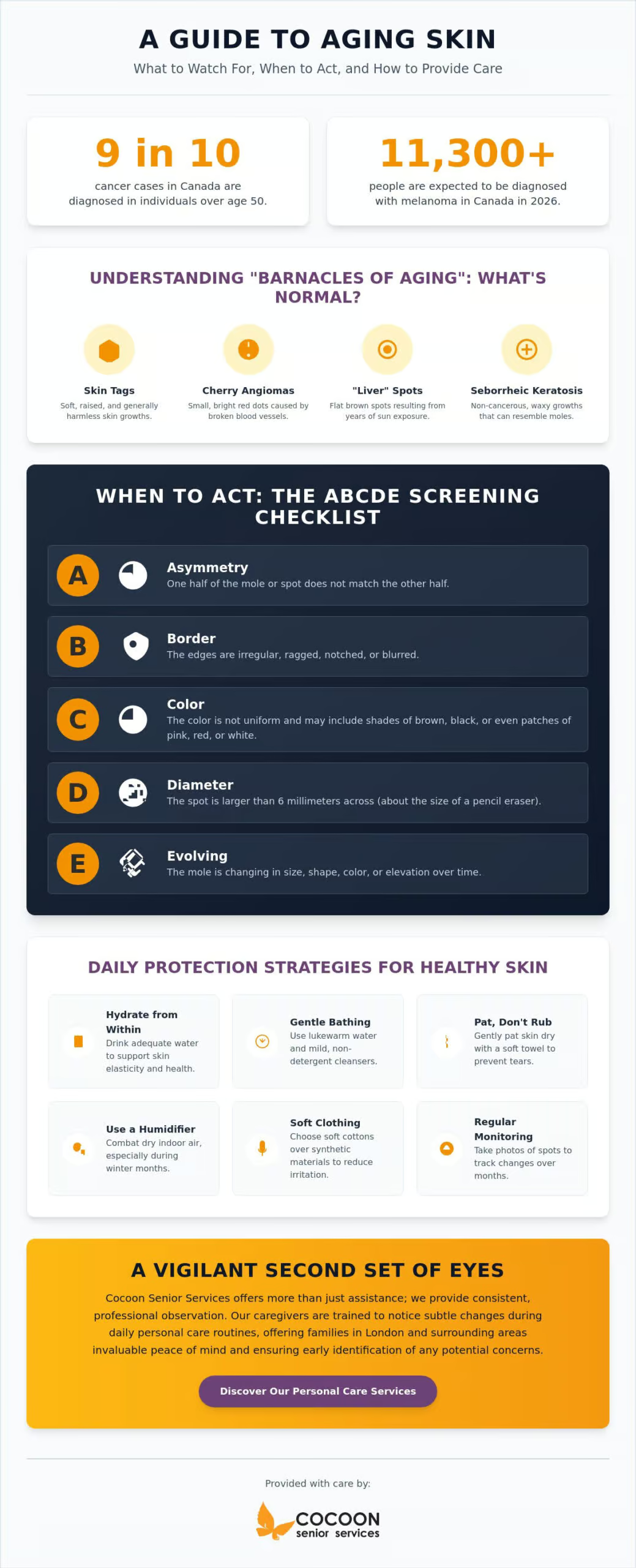
Did you know that nine out of ten cancer cases in Canada are diagnosed in people over the age of 50? With an estimated 11,300 people expected to be diagnosed with melanoma in 2026, the skin becomes more than just a surface. It’s a vital indicator of overall health. It’s natural to feel a sense of anxiety when you notice a new dark spot or a patch of unexplained bruising on a loved one’s arm. Many families worry about chronic itching or thin skin, wondering if what they see is simply a part of getting older or a sign of something more serious.
Understanding Skin changes in aging: what to watch for and when to act is essential for maintaining both peace of mind and physical comfort. Cocoon Senior Services believes that every senior deserves to feel secure and cared for in their own skin. You’ll discover how to identify common age-related shifts, when they require a medical referral, and how professional personal care supports long-term skin health. This guide provides a clear checklist for seeking professional help alongside practical tips for daily maintenance in London and surrounding areas.
Key Takeaways
- Learn to distinguish between benign “barnacles of aging” and skin changes that require a professional medical referral.
- Master the ABCDE rule to help your family identify Skin changes in aging: what to watch for and when to act before they become serious.
- Discover how proper hydration and specialized hygiene techniques can prevent painful tears in thinning, paper-like skin.
- Understand how the personal care services from Cocoon Senior Services offer a vigilant second set of eyes during daily routines.
- Gain a clear checklist of when to move beyond home maintenance and seek a professional consultation for your loved one.
Identifying Common Skin Changes: What is Normal in Aging?
Aging skin undergoes a quiet, profound transformation. The once-resilient outer layer begins to lose its youthful density, becoming translucent and remarkably fragile. This "paper-like" quality occurs because the underlying support structures, like collagen and elastin, naturally diminish over time. Exploring the science of aging skin reveals why even a minor scrape can lead to a significant tear. For families in London and surrounding areas, recognizing this shift is the first step in providing more mindful care.
Fragile blood vessels beneath the surface also contribute to the changing landscape of the body. These vessels lose their protective cushioning, which often results in frequent, unexplained purple patches. This effect is often magnified by common medications like blood thinners. Beyond these visual markers, many seniors struggle with persistent dryness and pruritus. This uncomfortable itching isn’t just a surface nuisance; it’s a biological response to oil glands that produce less moisture as the years pass.
To better understand how these biological shifts impact your daily life, watch this helpful video:

Distinguishing Benign Growths from Warning Signs
It’s common to find small, bright red dots known as cherry angiomas or soft, raised skin tags during a morning routine. These are generally harmless. Similarly, those flat, brown "liver spots" have nothing to do with internal health but everything to do with your history of sun exposure. Seborrheic Keratosis is a non-cancerous growth that often mimics the look of a mole.
When learning about Skin changes in aging: what to watch for and when to act, it helps to know that most of these "barnacles of aging" are benign. However, staying vigilant is key. Cocoon Senior Services staff act as a second set of eyes, noticing new textures or colors during daily personal care. This consistent observation ensures that anything unusual is identified early, providing a sense of safety and peace of mind for the whole family. Understanding what’s normal allows you to focus on comfort rather than constant worry.
Monitoring and Prevention: Practical Tips for Healthy Skin
Prevention is a quiet act of love. While the biological shifts mentioned earlier are inevitable, the discomfort often associated with them is not. Proactive care begins with a mindful approach to the home environment and daily habits. By focusing on simple, consistent actions, families can preserve the skin’s integrity and ensure their loved ones feel secure and comfortable in their own bodies.
Hydration remains the cornerstone of skin health. It’s not just about topical creams; true resilience starts from within. Maintaining adequate fluid intake supports skin turgor, which is the skin’s ability to change shape and return to normal. When turgor is poor, the skin remains "tented" after being pinched, a clear sign that the body needs more water. This internal support, combined with a reliable Skin Care and Aging guide, provides a strong foundation for daily wellness.
The ABCDE Checklist for Skin Cancer Screening
Monitoring is a shared journey. The ABCDE rule offers a clear framework for families to understand Skin changes in aging: what to watch for and when to act. During a weekly check, look for these markers:
-
Asymmetry: One half of the mole doesn’t match the other.
-
Border: Edges are ragged, blurred, or irregular.
-
Color: The pigment is not uniform, showing shades of tan, brown, or black.
-
Diameter: The spot is larger than 6mm (about the size of a pencil eraser).
-
Evolving: The mole is changing in size, shape, or color over time.
A practical tip for families in London and surrounding areas is to use a smartphone. Take a clear photo of any suspicious spot and re-examine it every three months. This visual record is invaluable when speaking with a family doctor.
Daily Protection Strategies
Safe bathing practices are essential. Hot water and harsh, scented soaps are the enemies of fragile skin as they strip away natural oils. Opt for lukewarm water and gentle, non-detergent cleansers. After bathing, pat the skin dry softly rather than rubbing it. Environmental adjustments also play a role. London and surrounding areas experience notoriously dry winters, so using a humidifier can prevent the skin from becoming brittle. Choosing soft cotton clothing over synthetic materials further reduces the risk of irritation. If you find these daily routines becoming difficult to manage alone, professional personal care can provide the gentle assistance your loved one needs.
How Professional Personal Care Supports Skin Health
Professional personal care is more than assistance with a daily schedule. It’s a commitment to quiet vigilance. Cocoon staff act as a second set of eyes during morning and evening routines, noticing the subtle shifts that busy family members might miss. Whether it’s a new patch of persistent dryness or a change in a mole’s border, having a professional present ensures that common skin changes in aging are monitored with both precision and heart. This watchful care is vital for identifying Skin changes in aging: what to watch for and when to act before a small spot becomes a significant medical concern.
Bathing becomes a restorative experience when handled with professional care. We ensure skin is cleaned gently with lukewarm water and moisturized immediately to lock in vital hydration. Beyond hygiene, mobility plays a critical role in maintaining skin integrity. For seniors with limited movement, regular repositioning prevents the development of painful pressure sores. Our team encourages gentle movement and provides the physical support necessary to keep blood circulating effectively to the skin’s surface. We also focus on nutritional support, preparing meals rich in vitamins A and C to support the skin’s natural repair mechanisms from the inside out.
Cocoon: Your Partner in London and surrounding areas
Choosing professional support reduces the emotional weight on family members. It allows you to focus on quality time while we handle the technical aspects of daily care with dignity. We provide essential medication reminders for supplements or dermatologist-prescribed creams, ensuring no part of the treatment plan is overlooked. Seeing how Senior Home Care Services in London, Ontario integrate skin health into a broader wellness strategy helps families feel confident. Our presence brings a sense of order and peace to the home environment.
Embracing Comfort and Vitality at Home
Caring for aging skin is a delicate balance of quiet observation and gentle action. You now have the essential tools to distinguish normal shifts from signs that require a medical referral. By staying consistent with internal hydration, mindful hygiene, and the ABCDE monitoring rule, you can protect your loved one’s physical comfort and emotional peace. A clear understanding of ** Skin changes in aging: what to watch for and when to act** ensures that small changes never become overwhelming burdens for your family.
Cocoon Senior Services was founded and is operated by a certified dementia and Alzheimer’s care professional. We provide comprehensive personal care tailored to individual needs throughout London and surrounding areas. Our holistic support focuses on maintaining independence and dignity, from preparing skin-boosting meals to providing a vigilant second set of eyes during daily routines. Discover how Cocoon Senior Services can support your loved one’s health at home. You don’t have to manage these transitions alone. We’re here to provide the expert care and warm companionship your family deserves, ensuring every day is met with confidence and grace.
Frequently Asked Questions
Is it normal for a senior to bruise without a clear injury?
Yes, bruising without a known injury is common. The skin’s protective fatty layer thins as we age, leaving blood vessels exposed and less cushioned. This condition, often called actinic purpura, occurs when vessels rupture with even a light touch. While these purple marks are usually benign, it’s helpful to note if they appear more frequently or take much longer to fade than usual.
How can I tell the difference between an age spot and a melanoma?
Age spots are generally flat and uniform. Melanoma often displays irregular borders, multiple colors, or rapid growth. Understanding Skin changes in aging: what to watch for and when to act requires consistent observation. If a spot evolves in shape or begins to itch and bleed, it needs a professional medical referral. Cocoon staff act as a second set of eyes to help families monitor these developments.
What is the best way to treat extremely dry, itchy skin in the elderly?
The best approach involves using thick, fragrance-free creams or ointments immediately after a lukewarm bath. Avoid hot water and harsh soaps. They strip the skin of its remaining natural oils. For those living in London and surrounding areas, using a humidifier during the dry winter months provides an extra layer of protection. This prevents the skin from becoming brittle and prone to uncomfortable itching.
When should a skin change be considered a medical emergency?
A skin change becomes an urgent matter if it involves persistent bleeding or pus. You should also act quickly if a growth is painful. Signs of a spreading infection, like heat and swelling, require immediate attention. While most shifts are harmless, an open sore that refuses to heal after several weeks always warrants a consultation with a healthcare provider.
Disclaimer
We aim to provide helpful guidance for seniors and families, but this content should not replace professional medical advice. Some links may be affiliate links, and we are not responsible for third-party content.