
How to Keep the Mind Sharp: Tips for Seniors in London
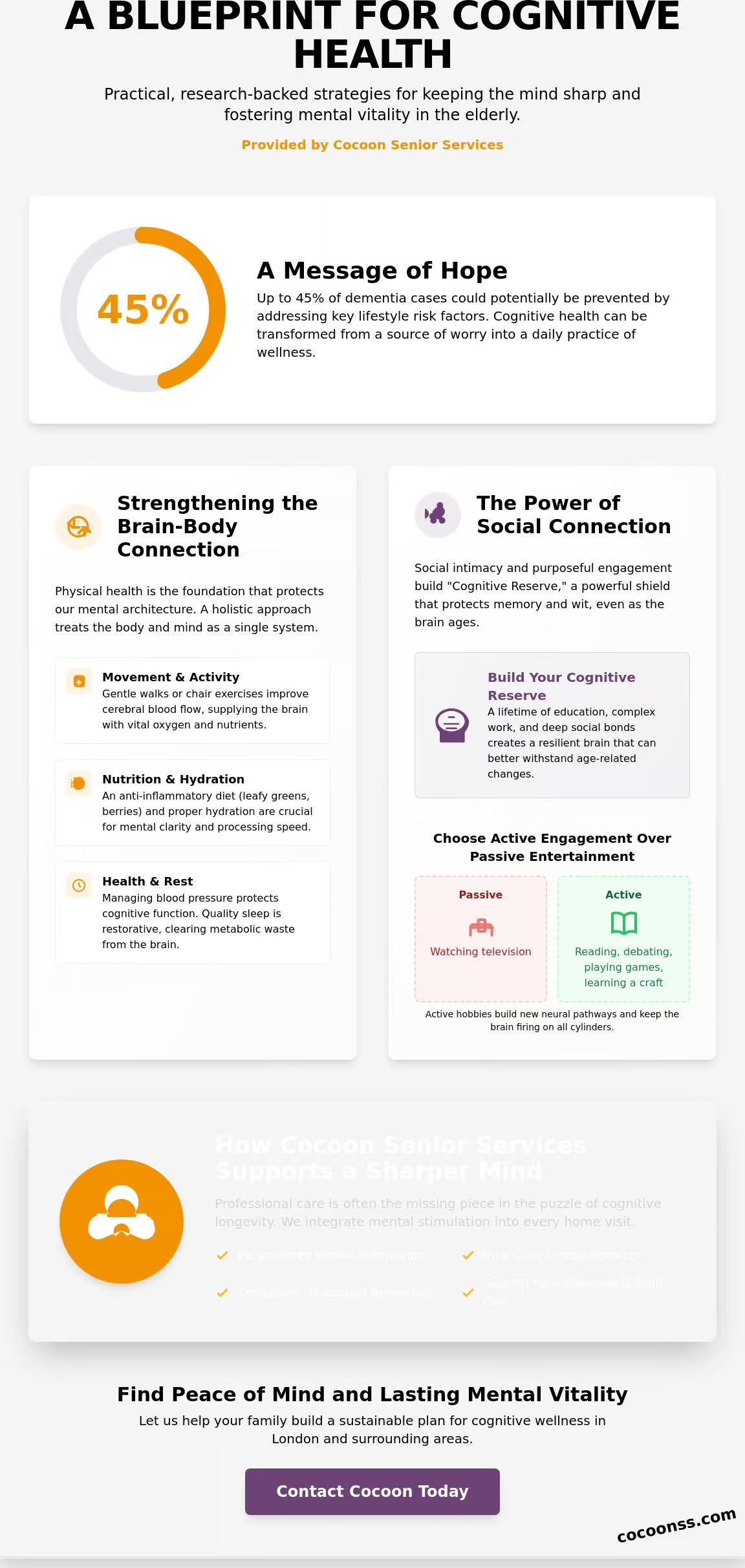
Did you know that up to 45% of dementia cases globally could potentially be prevented by addressing specific lifestyle risk factors? This statistic offers a profound sense of hope for families navigating the complexities of aging. Keeping the mind sharp in the elderly isn’t just about finishing a crossword puzzle; it’s about fostering a lifestyle rooted in connection, movement, and purposeful engagement. We understand the quiet weight of responsibility you carry. It’s common to feel a flicker of guilt when you can’t be there every hour to provide the mental stimulation your loved one deserves.
You aren’t alone in seeking clarity amidst a sea of conflicting medical advice. We promise to provide you with practical, research-backed strategies that transform cognitive health from a source of worry into a daily practice of wellness. This article explores a clear plan for brain health, the essential role of social intimacy, and how professional companionship through Cocoon Senior Services provides vital support. We’ll guide you through the resources available in London and surrounding areas to help your family find peace of mind and lasting mental vitality.
Key Takeaways
- Learn why light physical activity is the foundation of brain health and how to prevent cognitive leaks through simple daily habits.
- Understand the concept of Cognitive Reserve and why meaningful social engagement is a powerful shield against memory loss.
- Explore evidence-based techniques for keeping the mind sharp in the elderly that prioritize purposeful interaction over basic puzzles.
- Discover how Cocoon Senior Services integrates personalized mental stimulation into every home visit to support cognitive longevity.
- Identify local resources in London and surrounding areas that help families build a sustainable daily plan for cognitive wellness.
Strengthening the Brain-Body Connection Through Daily Habits
Think of the brain as the library of a well-loved home. If the roof leaks or the heating fails, the precious volumes inside eventually suffer damage. Physical health is the foundation that protects our mental architecture. Neglecting the body often leads to cognitive leaks, where memory and focus begin to fade simply because the brain lacks the structural support it needs. Keeping the mind sharp in the elderly requires a holistic approach that treats the body and mind as a single, elegant system.
Movement is the primary tool for maintaining this structure. In London and surrounding areas, staying active can be as simple as a gentle stroll through a local park or purposeful movement within the comfort of home. These activities improve cerebral blood flow, ensuring that the brain receives a steady supply of oxygen and nutrients. This physical engagement helps build cognitive reserve, which acts as a buffer against the natural changes that come with age.
Nutrition and Movement for Cognitive Health
A mindful diet is the quiet engine of mental clarity. We focus on anti-inflammatory ingredients like leafy greens and berries, which are easily integrated into daily meal preparation. Hydration is equally vital; even mild dehydration can cloud judgment and slow processing speeds. During Ontario winters, staying active indoors is essential. Simple stretching or chair exercises help maintain motor function and keep the mind engaged when the weather limits outdoor excursions. These small, intentional acts of self-care create a sense of inner peace and physical resilience.
Managing Health Metrics at Home
Heart health and brain health are deeply intertwined. Managing blood pressure is one of the most effective ways to protect cognitive function over the long term. Cocoon supports families by providing medication reminders, ensuring that health metrics remain stable and predictable. When the heart pumps efficiently and medications are taken consistently, the brain can focus on what matters most: enjoying the beauty of the present moment. Rest also plays a silent, restorative role. Quality sleep allows the brain to clear metabolic waste, leaving your loved one refreshed and ready for the day ahead. Keeping the mind sharp in the elderly is a journey of small, consistent steps toward wellness.
The Power of Social Connection and Cognitive Reserve
If physical health is the foundation of the home, social connection is the warmth that fills its rooms. Scientists often talk about "Cognitive Reserve," a fascinating concept that explains how a lifetime of education, complex work, and deep social bonds creates a resilient brain. This reserve acts like a mental insurance policy. Even if the brain begins to show physical signs of aging, those with high levels of reserve can often maintain their sharp wit and memory for much longer. Keeping the mind sharp in the elderly is deeply tied to the quality of their daily interactions.
Isolation remains a silent threat in London and surrounding areas. When a senior spends days without meaningful conversation, the brain’s processing speed begins to slow. It’s like a muscle that atrophies from lack of use. Novelty is the antidote. Visiting a new local gallery or learning a simple craft triggers neuroplasticity, the brain’s remarkable ability to reorganize itself. These experiences don’t just pass the time; they build new neural pathways. Intergenerational connections are particularly potent. Sharing stories with a grandchild or a younger neighbor provides a unique emotional spark that keeps the spirit youthful.
Overcoming Isolation with Intentionality
Engagement requires a gentle, intentional plan. Families can look for community events in London and surrounding areas, such as local book clubs or gardening groups, which offer structured social time. If distance is a challenge, technology bridges the gap. A simple video call provides the face-to-face contact necessary for emotional well-being. We often suggest hobbies that require both mental effort and social interaction, like playing a card game or participating in a community choir. For those who need a bit more support to stay engaged, companionship services can provide that vital daily connection.
Lifelong Learning as a Brain Shield
Active engagement is far superior to passive entertainment. While watching television is relaxing, it doesn’t challenge the mind like reading a book or engaging in a spirited debate. Following tips for a sharp mind often involves choosing activities that require a response. Emotional function thrives on pleasant social stimuli. Reacting to a joke, recalling a shared memory, or expressing empathy are all complex tasks that keep the brain firing on all cylinders. Keeping the mind sharp in the elderly is ultimately about staying present and connected to the world around us.
How Professional Home Care Supports a Sharper Mind
Professional care is often the missing piece in the puzzle of cognitive longevity. At Cocoon Senior Services, we believe that support should go far beyond checking boxes on a medical list. Every visit is an opportunity for intentional engagement. By integrating cognitive stimulation into daily routines, we help seniors maintain their sense of self and mental agility. Keeping the mind sharp in the elderly is a collaborative effort that thrives on professional expertise and warm, human connection.
Our tailored care plans are designed around the individual. We don’t believe in one-size-fits-all solutions. Instead, we match activities to a senior’s specific interests and cognitive level. Whether it’s discussing current events or working on a creative project, these interactions are vital. This professional support also provides a necessary reprieve for family caregivers. When the weight of daily tasks is shared, family members can return to their primary role: being a loving presence in their parent’s life.
Companionship as Cognitive Therapy
Shared activities are a form of therapy in disguise. Simple tasks like light housekeeping or preparing a meal together keep the mind focused and the hands busy. These moments provide a platform for reminiscing, which is a powerful tool for maintaining cognitive health. Having a dedicated professional in the home also means that subtle changes in memory or behavior are caught early. If you’re looking for comprehensive support, our guide to Senior Home Care Services in London, Ontario offers a deeper look at our approach.
Practical Support for Daily Mental Clarity
Daily mental clarity is often hindered by the "cognitive load" of managing a household. Medication reminders and meal preparation services from Cocoon remove this burden. When a senior doesn’t have to worry about the logistics of their health, they have more energy for the brain-boosting activities they love. We ensure a safe environment where aging is met with dignity and grace. Keeping the mind sharp in the elderly is easier when the home is a place of calm and support. Contact Cocoon Senior Services today for a personalized consultation in London and surrounding areas.
Embracing a Future of Mental Vitality and Peace
The journey toward lasting cognitive health is paved with small, intentional choices and gentle care. We’ve explored how physical vitality and social intimacy act as the twin pillars of a resilient mind. By weaving together nutritious habits and meaningful engagement, you create a lifestyle where the spirit remains vibrant. Keeping the mind sharp in the elderly isn’t a task to be faced with fear; it’s an invitation to lean into the support that makes aging a more beautiful experience.
Cocoon Senior Services is here to walk this path with you. Our team develops personalized care plans for families in London and surrounding areas. We focus on holistic well-being and independence, ensuring your loved one feels seen and valued every day. Let us help you find the perfect balance between safety and joyful exploration. You don’t have to navigate this transition alone.
Book a Free Care Consultation with Cocoon Senior Services to discover how we can support your family’s needs. You deserve the peace of mind that comes from knowing your loved one is thriving in a home filled with warmth and professional expertise.
Common Questions About Cognitive Wellness
Is it possible to improve memory in your 80s or 90s?
Yes, it’s absolutely possible to improve memory in your 80s or 90s because the brain remains capable of growth throughout your entire life. This remarkable ability, known as neuroplasticity, allows seniors to build new neural pathways through active learning and sensory engagement. We encourage picking up a new hobby or engaging in complex storytelling to keep the mind active. These small, intentional acts of learning help maintain cognitive clarity well into the later years.
What are the first signs that a senior needs more cognitive support?
The first signs that a senior needs more support often appear as subtle shifts in their daily routine or household management. You might notice missed appointments, unopened mail, or a sudden lack of interest in long-held social hobbies. These changes suggest that the mental load of daily life is becoming overwhelming. Cocoon provides gentle assistance with medication reminders and household support to ease this burden and restore a sense of peace to the home.
How does professional companionship differ from family visits for brain health?
Professional companionship differs from family visits by providing structured, intentional engagement specifically designed for keeping the mind sharp in the elderly. While family time is precious for emotional connection, Cocoon staff are trained to integrate cognitive exercises and purposeful conversation into every visit. This professional approach ensures that mental stimulation is consistent. It allows family members to focus on creating joyful memories without the stress of managing daily care needs.
Are "senior moments" always a sign of a serious problem?
No, "senior moments" like forgetting a neighbor’s name or misplacing keys are often just a normal part of the aging process. These lapses usually aren’t a cause for alarm unless they begin to interfere with safety or daily functioning. If you notice a loved one struggling to follow familiar recipes or getting lost in well-known areas, it may be time for a professional consultation. We help families in London and surrounding areas distinguish between typical aging and signs that require specialized dementia care.
Disclaimer
We aim to provide helpful guidance for seniors and families, but this content should not replace professional medical advice. Some links may be affiliate links, and we are not responsible for third-party content.