

Medication Mismanagement: A Guide for London Families
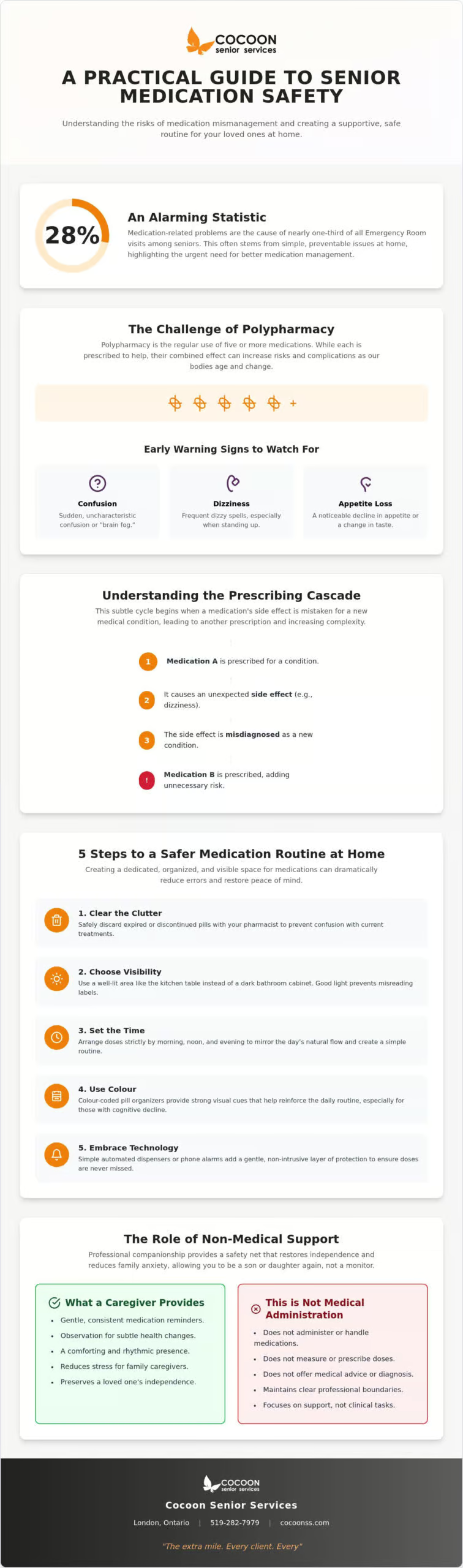
Did you know that medication problems cause 28% of Emergency Room visits among seniors? This startling reality often begins quietly at home, where a simple missed pill or a confusing label leads to medication mismanagement in older adults. In London, Ontario, families often find themselves overwhelmed by prescriptions from several different doctors. It’s a heavy burden. The fear of an accidental overdose or the guilt of not being there for every dose can weigh on even the most dedicated caregiver.
You want your loved one to feel safe in their sanctuary, not stressed by a complex schedule. We believe true comfort comes from knowing every detail is handled with care. This guide reveals the hidden risks of polypharmacy and provides practical strategies to organize the home environment. We’ll explore why these mistakes happen and how non-medical support can restore peace and rhythm to your daily life.
Key Takeaways
- Understand why taking five or more medications increases the risk of adverse reactions and how to recognize subtle signs of confusion or dizziness.
- Discover how to organize the home environment to overcome physical barriers like arthritis and poor lighting that often interfere with safe dosing.
- Learn how professional medication reminders in London, Ontario, can restore a sense of peace and independence to your loved one’s daily rhythm.
- Gain practical insights into preventing medication mismanagement in older adults by creating a supportive, non-medical safety net at home.
Understanding the Risks of Polypharmacy and Medication Mismanagement
Home should be a place of stillness. For many seniors in London, however, the medicine cabinet becomes a source of quiet friction. Polypharmacy occurs when an individual takes five or more medications daily. While each pill is intended to heal, the cumulative effect can lead to medication mismanagement in older adults. As we age, our bodies change. Metabolism slows; our systems become more sensitive to chemical shifts. It’s vital to realize that a dose that felt right a year ago might now cause unexpected reactions. Understanding Polypharmacy is the first step toward reclaiming that sense of safety within your own four walls.
In more than eight years of serving local families, I’ve seen how sharing medications or self-treating with old prescriptions invites hidden dangers. These habits might seem like simple solutions, but they often mask underlying issues. Subtle changes often signal a deeper problem. Watch closely for these shifts:
- Sudden, uncharacteristic confusion or “brain fog.”
- Frequent dizzy spells, especially when rising from a chair.
- A noticeable decline in appetite or change in taste.
The Hidden Dangers of the Prescribing Cascade
The prescribing cascade is a gentle but treacherous cycle. It happens when a side effect of one medication is misidentified as a new medical condition, leading to even more prescriptions. It’s a layer of complexity your loved one doesn’t need. To break this cycle, prepare for a medication review with your local London pharmacist. Bring every bottle, including vitamins and natural supplements. Ask specifically if every pill is still necessary. This simple, mindful audit protects the sanctuary of the home and ensures that every treatment serves a true, healthy purpose.
Practical Strategies for Creating a Safe Medication Routine at Home
Creating a safe rhythm at home starts with clarity. Often, medication mismanagement in older adults stems from simple physical hurdles. Poor lighting in a hallway or a high, dark shelf in the bathroom can make reading a label nearly impossible. If your loved one struggles with arthritis, even the twist of a cap becomes a painful barrier. By addressing these tactile challenges, we remove the friction that leads to errors. It’s helpful to understand the dangers of polypharmacy, which can increase the risk of falls when dosing isn’t precise. Establishing a “single source of truth”; a master list of every prescription; ensures every doctor in London sees the same picture.
5 Steps to Organize Your Loved One’s Medication Station
A dedicated space brings peace of mind. We recommend creating a sanctuary for health that feels natural and easy to navigate. Follow these steps to build a supportive environment:
- Clear the clutter: Safely discard expired pills with your pharmacist to avoid any confusion with current treatments.
- Choose visibility: Use the kitchen table instead of the bathroom cabinet; the natural light and open space make it easier to see and handle small, delicate tablets.
- Set the time: Arrange doses strictly by morning, afternoon, and evening to mirror the day’s natural flow.
- Use colour: Colour-coded pill organizers help those with cognitive decline recognize their daily routine through visual cues.
- Embrace technology: Simple automated dispensing alarms add a gentle layer of protection without being intrusive.
Sometimes, a little extra help with medication reminders is all it takes to keep a senior safe and independent. These small, thoughtful adjustments transform a source of stress into a manageable part of the day.
How Professional Medication Reminders Restore Independence and Safety
Many families feel caught between the desire to help and the fear of overstepping. It’s essential to distinguish between medical administration and the gentle, vital role of non-medical reminders. While we don’t prescribe or measure doses, our companionship care in London, Ontario, provides a rhythmic presence that reduces the constant anxiety of accidental medication mismanagement in older adults. This support isn’t about taking away control. It provides the framework that allows a senior to remain the master of their own home. By handling the schedule, we help preserve the parent-child relationship, allowing you to return to being a daughter or son rather than a monitor.
A professional caregiver does more than watch the clock. They are trained observers who notice when a loved one seems unusually lethargic or unsteady. These subtle shifts can often be linked to the complications of polypharmacy, such as dizziness or oversedation. Recognizing these signs early prevents the quiet progression of medication mismanagement in older adults, ensuring that small concerns don’t escalate into emergencies. It’s about being there when you can’t be, providing an extra set of eyes that understands the nuances of senior well-being.
The Cocoon Approach: More Than Just a Reminder
At Cocoon Senior Services, our caregivers in St. Thomas and London are dedicated to going the extra mile. We provide a consistent safety net that families can rely on, day after day. It’s helpful to realize that seeking help early isn’t a sign of defeat; it’s a proactive choice that often prevents a sudden, stressful “crisis move” to a care facility. This steady, professional support creates an environment where your loved one can age with dignity, honouring the life they’ve built. To learn more about how we have served local families for more than eight years, call 519-282-7979 or visit cocoonss.com.
The extra mile. Every client. Every.
Restoring Peace to Your Family’s Daily Rhythm
Safeguarding your loved one’s health is a journey of small, mindful steps. By understanding the risks of polypharmacy and auditing the home environment for physical barriers, you create a sanctuary where they can age with dignity. Preventing medication mismanagement in older adults doesn’t have to be a source of constant stress for your family. With over eight years of experience and specialized expertise in Dementia and Alzheimer’s care, we’re here to provide a professional safety net that preserves your most precious relationships.
Don’t wait for a medication crisis to happen. Contact Cocoon Senior Services today at 519-282-7979 for a free in-home consultation in London, St. Thomas, or Port Stanley. Let us help you find the quiet confidence that comes from knowing every detail is handled with care. We’re dedicated to helping your family find stillness and security at home.
The extra mile. Every client. Every.
Frequently Asked Questions
What are the most common signs of medication mismanagement in seniors?
Common signs include finding unopened pill bottles, discovering loose tablets on the floor, or noticing a parent becoming defensive about their routine. You might also see multiple bottles for the same medication from different London pharmacies. These physical clues often appear before health changes. Recognizing these patterns early helps prevent medication mismanagement in older adults before it leads to a serious fall.
Is a medication reminder service considered medical care in Ontario?
No, medication reminders are distinct from medical administration. In Ontario, non-medical home care providers like Cocoon Senior Services offer gentle prompts and schedule support rather than measuring or administering drugs. We ensure the routine stays consistent and peaceful. This supportive role focuses on companionship and safety, helping seniors maintain their independence in London without the stress of managing complex schedules alone.
How can I help my parent with dementia remember to take their pills?
Consistency is the heart of dementia care. Use a simple, one-step routine and pair medication times with a familiar daily habit, such as morning tea. Our caregivers in St. Thomas and London use specialized dementia tips to create a calm, non-confrontational environment. By providing a steady, professional presence, we help reduce the agitation that often occurs when a loved one feels pressured.
What should I do if I suspect my loved one had an adverse drug reaction?
Contact their primary physician or a local London pharmacist immediately if you notice sudden changes in mood, balance, or sleep patterns. If the reaction is severe, such as difficulty breathing or extreme lethargy, call 911 right away. Keeping a detailed log helps healthcare professionals quickly identify if medication mismanagement in older adults is the underlying cause of the distress.
The extra mile. Every client. Every.
Disclaimer
We aim to provide helpful guidance for seniors and families, but this content should not replace professional medical advice. Some links may be affiliate links, and we are not responsible for third-party content.