
Finger Clubbing: What It Is and Why Caregivers Should Pay Attention
What if a subtle change in the curve of a loved one’s fingernails was actually a quiet whisper from their heart or lungs? You spend your days providing a sense of peace and security for your family member, often noticing the smallest details during a shared meal or a quiet moment of hand-holding. It’s common to worry when you see a physical shift, wondering if a new bulbous shape at the fingertips is just a sign of aging or something more significant. Understanding finger clubbing. What is it and why it’s good to pay attention, is a vital step in maintaining the internal harmony of those we care for in London and surrounding areas.
At Cocoon Senior Services, we know that your role as a caregiver is built on a foundation of deep observation and emotional safety. You’ll learn how to identify the softening of the nail bed and the downward curve that characterizes this condition. Statistics show that lung diseases are associated with approximately 80% of clubbing cases, making this simple visual check a powerful tool for early detection. This article provides a clear guide on what to look for, the potential health risks involved, and a practical plan for seeking professional medical advice so you can continue to offer the best possible support.
Key Takeaways
- Identify the visual progression of nail changes, from a subtle softening of the nail bed to a distinct bulbous appearance.
- Understand finger clubbing. What is it and why it’s good to pay attention as a vital indicator of heart and lung health.
- Recognize why these physical shifts are often symptoms of low oxygen levels rather than simple signs of aging.
- Learn how Cocoon Senior Services supports families in London and surrounding areas by identifying these changes during daily personal care.
Recognizing the Signs of Finger Clubbing in Seniors
Observation is an act of love. When assisting a family member with daily routines in London and surrounding areas, you might notice a change in the shape of their hands. Nail clubbing is a physical transformation where the fingertips gradually enlarge and the nails lose their natural angle. It often begins subtly. The nail may appear to float rather than being firmly attached. Understanding finger clubbing. What is it and why it’s good to pay attention, starts with these quiet visual cues.
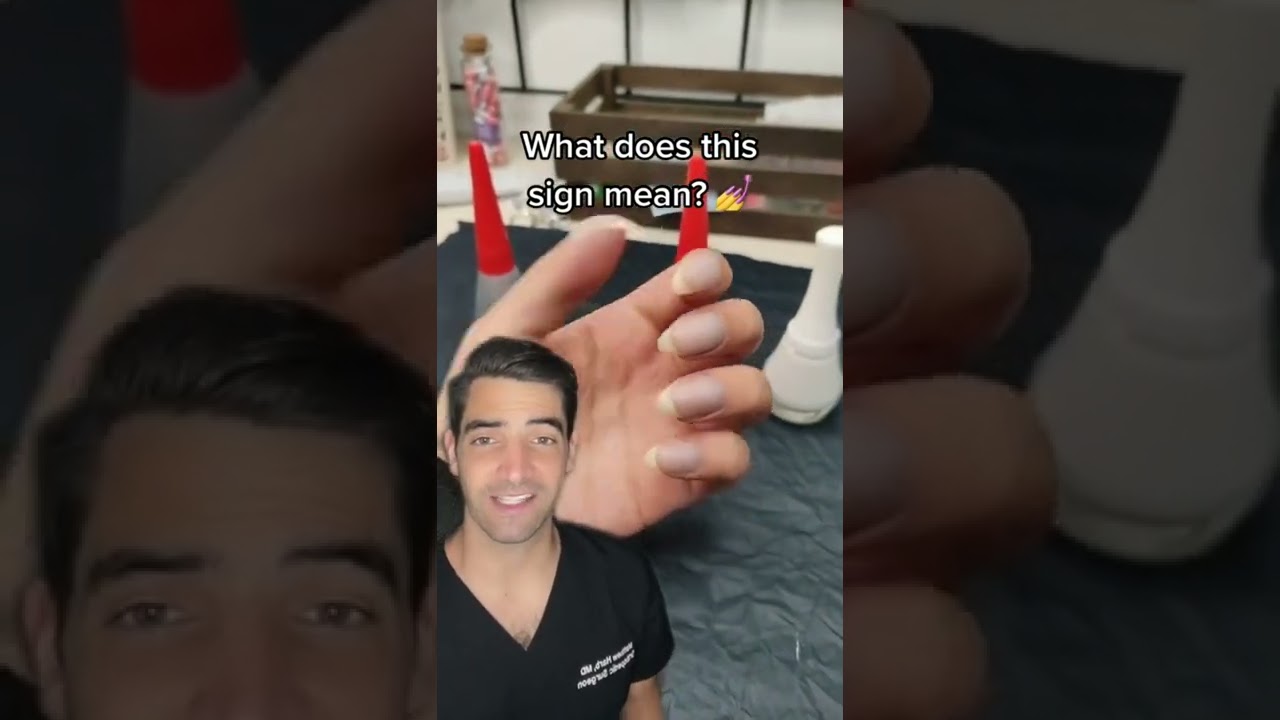
To better understand this concept, watch this helpful video:
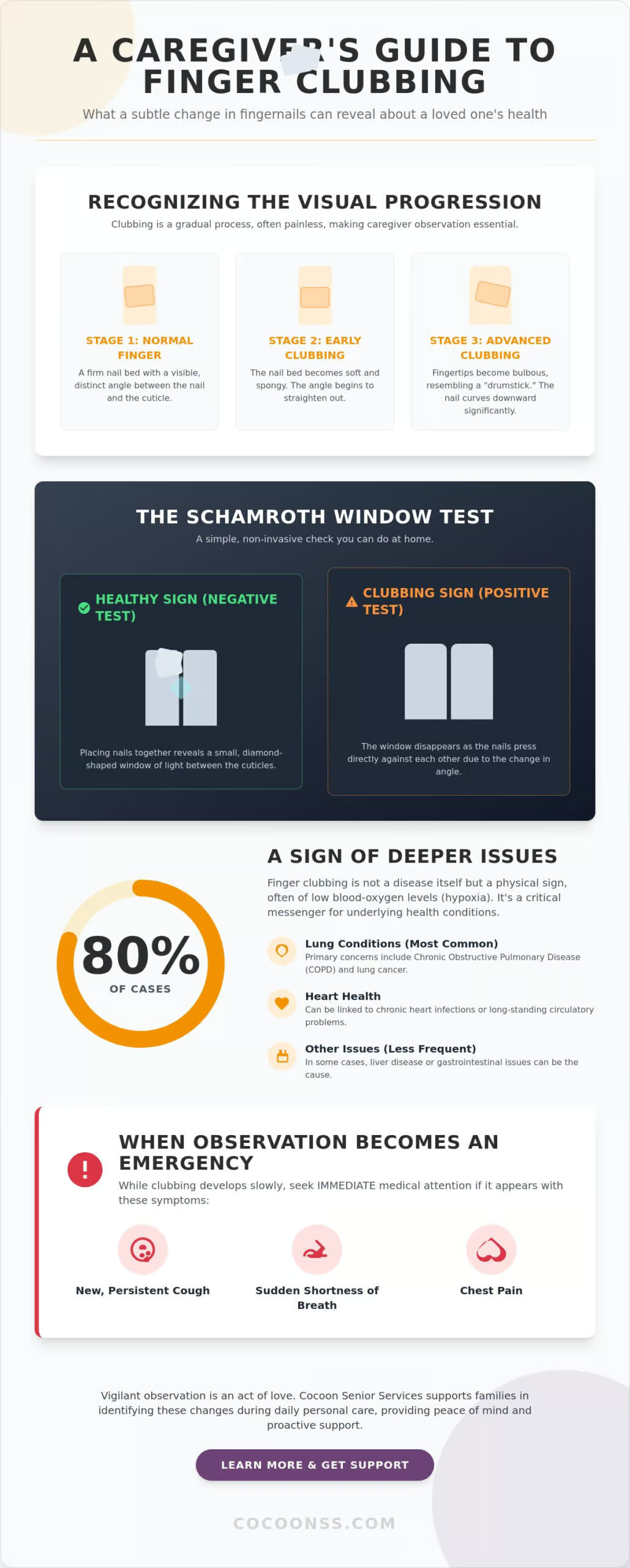
As the condition advances, the fingertips take on a “drumstick” appearance. The tips become bulbous and wider than the rest of the finger. When you help with hand hygiene or apply lotion, you might feel a spongy texture at the base of the nail. It’s a soft, springy sensation that differs from the firm feel of a healthy finger. Because the process is usually painless, your loved one likely won’t complain of discomfort. This makes your watchful eye even more essential during your time together.
The Schamroth Window Test: A Simple Home Check
You can perform a gentle check at home called the Schamroth window test. Ask your loved one to place the backs of two corresponding fingers together, nail to nail. In a healthy hand, you’ll see a tiny, diamond-shaped window of light between the nail beds. If that window disappears and the nails touch completely, it’s considered a positive sign for clubbing. Use this test as a preliminary observation to share with a doctor. It’s a starting point for a conversation, not a final diagnosis.
Early Warning Signs Beyond the Nails
Before the full “drumstick” shape forms, look for smaller shifts in the skin. The area surrounding the nail bed may look unusually shiny or smooth. You might also notice a slight redness or a localized warmth at the very tips of the fingers. These are early whispers that the body’s oxygen levels or circulation might be changing. Catching these signs early allows for a more proactive approach to their overall health and well-being.
Why It Is Critical to Pay Attention to Nail Changes
Finger clubbing isn’t a condition that exists in isolation. It’s a quiet messenger, a physical reflection of a deeper internal shift. For seniors, these changes often signal a drop in oxygen levels within the bloodstream, a state medical professionals call hypoxia. Because our older family members often live with chronic conditions, they’re more susceptible to these transformations. Recognizing finger clubbing. What is it and why it’s good to pay attention, can be the difference between a routine checkup and an emergency room visit. Early detection offers the chance for faster treatment, preserving the quality of life and inner peace we strive to provide.
When you provide daily support, you’re in a unique position to notice these shifts before anyone else. Authoritative resources like MedlinePlus explain that Clubbing of the fingers or toes is frequently the first outward sign of serious internal issues. By staying vigilant, you ensure that medical concerns are addressed with the urgency they deserve.
Common Underlying Conditions to Consider
Lung health is the most frequent culprit. Chronic obstructive pulmonary disease (COPD) and lung cancer are primary concerns, as lung issues account for a vast majority of clubbing instances. Heart health also plays a role, especially if there are chronic infections or long-standing circulatory problems. Less frequently, liver disease or gastrointestinal issues can cause these visual changes. Cocoon offers dedicated support for family caregivers, helping you stay informed as you navigate these observations.
When Observation Becomes an Emergency
Nail changes usually develop slowly, but they shouldn’t be ignored if they appear with other symptoms. Watch for sudden shortness of breath, chest pain, or a new, persistent cough. These are signs that require immediate medical attention. We recommend keeping a simple written log of when you first noticed the change in nail shape or texture. This small act of record-keeping provides doctors with the clarity they need to make an accurate diagnosis and helps you communicate your observations with confidence.
Taking Action: How Cocoon Senior Services Supports Families
When you notice physical changes, the path forward should feel clear and supported. Presenting your findings to a family doctor in London and surrounding areas is a crucial next step. Be direct and descriptive. Mention the texture, the shape, and any other symptoms you’ve logged. Professional resources like the Cleveland Clinic’s guide on Clubbed Fingers can help you frame the conversation with medical terms. Cocoon Senior Services acts as your eyes and ears, ensuring that these subtle shifts are captured early through consistent, high-quality support. We believe that understanding finger clubbing. What is it and why it’s good to pay attention, is part of a broader commitment to holistic wellness.
It’s about more than just nails. It’s about safety. Knowing the nuances of finger clubbing. What is it and why it’s good to pay attention, gives you the confidence to advocate for your family’s health. By choosing a partner who values quality and detail, you create a circle of protection around those you love most.
The Role of Personal Care in Health Monitoring
Cocoon staff provide more than just assistance; they offer vigilant companionship. During daily tasks like dressing or meal preparation, our team maintains a watchful eye on your loved one’s physical state. This routine observation is coupled with vital services like medication reminders, which help maintain overall stability. For a deeper look at how we approach this, explore our Senior Home Care Services in London, Ontario: A Compassionate Guide.
Peace of Mind for Families in London and Surrounding Areas
Caregiving is a journey that shouldn’t be walked alone. By trusting Cocoon to assist with complex needs such as dementia care, you reduce the risk of burnout and rediscover the joy in your relationship. Professional support ensures that physical changes aren’t missed during the busyness of life. We are here to provide the security and expert care your family deserves. Contact Cocoon Senior Services today for a personalized care consultation to see how we can support your loved one’s health journey.
Embracing a Watchful Eye for Your Loved One’s Health
Recognizing physical changes in those we love is an act of profound care. You now know that a shift in nail shape is often a quiet signal from the heart or lungs. It’s a call to look deeper. By understanding finger clubbing. What is it and why it’s good to pay attention, you’ve gained a valuable tool for early intervention. This knowledge brings a sense of peace. It replaces uncertainty with a clear plan of action and ensures your loved one’s needs are met with clarity and confidence.
Cocoon Senior Services stands beside you as a dedicated partner in London and surrounding areas. Our certified dementia and Alzheimer’s care professionals offer specialized support for palliative and post-surgery recovery. Having an expert eye present during daily routines ensures that no detail, however small, goes unnoticed. We provide the professional vigilance and warmth your family deserves, allowing you to focus on the moments that matter most.
Take the next step toward ensuring continued well-being and emotional safety. Book a care consultation with Cocoon Senior Services today to discuss our personalized home care options. Let’s work together to maintain the harmony and health of those you cherish most.
Frequently Asked Questions
Is finger clubbing always a sign of cancer?
No, finger clubbing isn’t exclusively a sign of cancer. While lung cancer is a common cause, these changes also stem from congenital heart defects, chronic lung infections, or liver conditions. Understanding finger clubbing. What is it and why it’s good to pay attention, involves recognizing that it’s a broad indicator of various internal health shifts. A professional evaluation is the only way to determine the specific cause for your loved one.
Can finger clubbing be reversed once the underlying cause is treated?
Reversal is possible in many cases if the primary health issue is successfully managed. When the underlying heart or lung condition improves, the soft tissue swelling under the nail beds can recede. The nails may eventually return to their natural angle and the fingertips often lose their bulbous appearance. This recovery reflects the body’s ability to return to a state of balance when oxygen levels are restored.
How quickly does finger clubbing usually develop in seniors?
These physical transformations typically occur over several weeks or months. It’s a gradual process that requires a watchful eye to detect in its earliest stages. If you notice a very rapid change in the shape of the fingertips, seek medical advice promptly. Sudden shifts are less common and often indicate an acute change in your loved one’s circulatory or respiratory stability.
Is finger clubbing hereditary or always a sign of illness?
Most cases are a sign of an underlying illness, though a rare hereditary form does exist. This primary version is passed through families and isn’t linked to heart or lung disease. However, because nearly 80 percent of instances are associated with lung conditions, any new change should be treated as a medical signal. Consistent personal care in London and surrounding areas ensures that these subtle signs are never ignored.
Disclaimer
We aim to provide helpful guidance for seniors and families, but this content should not replace professional medical advice. Some links may be affiliate links, and we are not responsible for third-party content.