
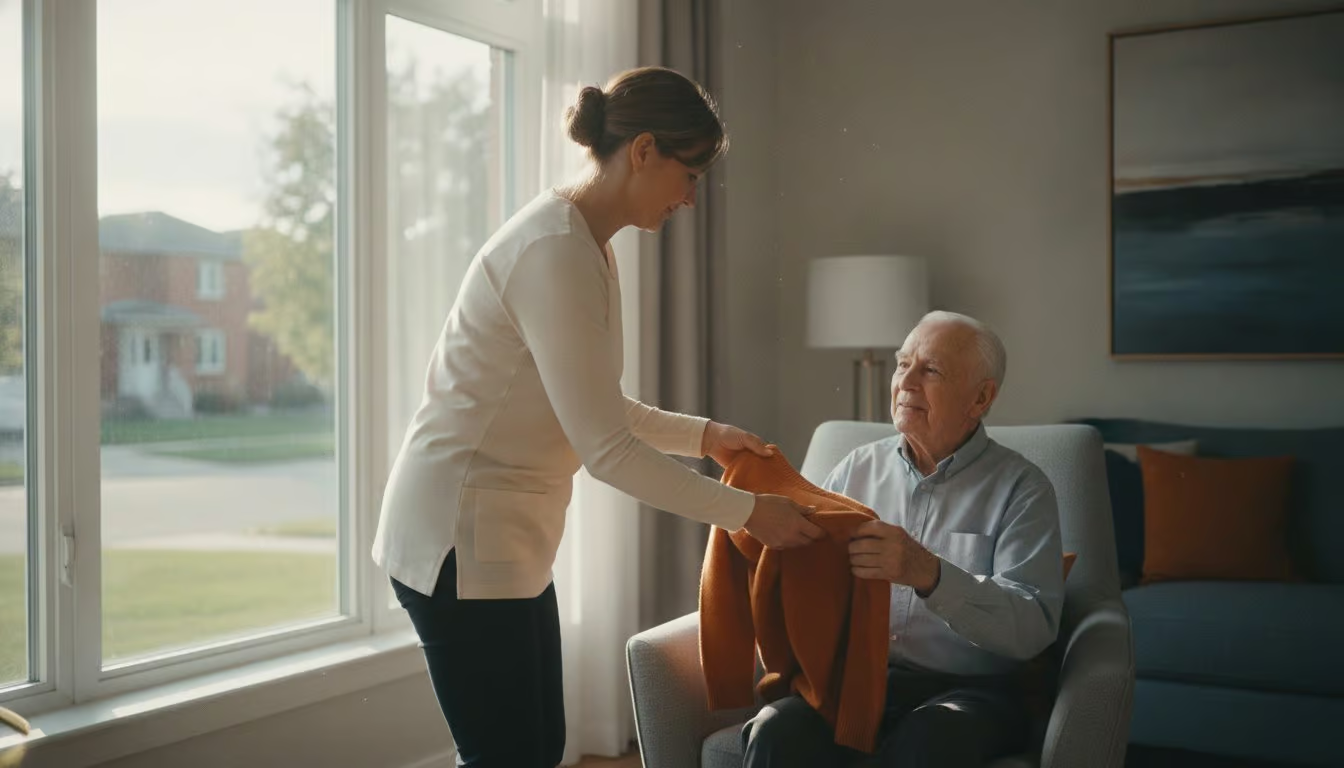
Elderly Parent Won’t Shower? Advice for London & St Thomas
You stand in the hallway, holding a fresh set of clothes, while your father insists he just changed them this morning. It’s a quiet battle that leaves you feeling exhausted and deeply concerned about his health. Many families in London, Ontario and surrounding areas struggle with the same heartbreaking question: Why does my elderly parent refuse to shower or change clothes? It’s easy to feel like you’re nagging, yet the fear of skin infections or social isolation remains a constant weight on your shoulders.
At Cocoon Senior Services, we understand that hygiene resistance is rarely about being difficult. Often, it’s a silent reaction to physical discomfort or cognitive changes like dementia. This article explores the hidden reasons behind these struggles and offers compassionate, professional strategies. You’ll learn how to restore dignity to your loved one’s routine while protecting your own peace of mind and reducing the conflict in your home.
Key Takeaways
- Recognize physical triggers like fear of falling or sensitivity to water pressure that often cause seniors to avoid the bathroom.
- Address the emotional and cognitive shifts that answer the question: Why does my elderly parent refuse to shower or change clothes?
- Use gentle, choice-based language to replace stressful demands and maintain your loved one’s sense of control.
- Learn how professional personal care in London, Ontario and surrounding areas can remove the ‘nagging’ element from your relationship.
Understanding Why Seniors Resist Bathing and Dressing
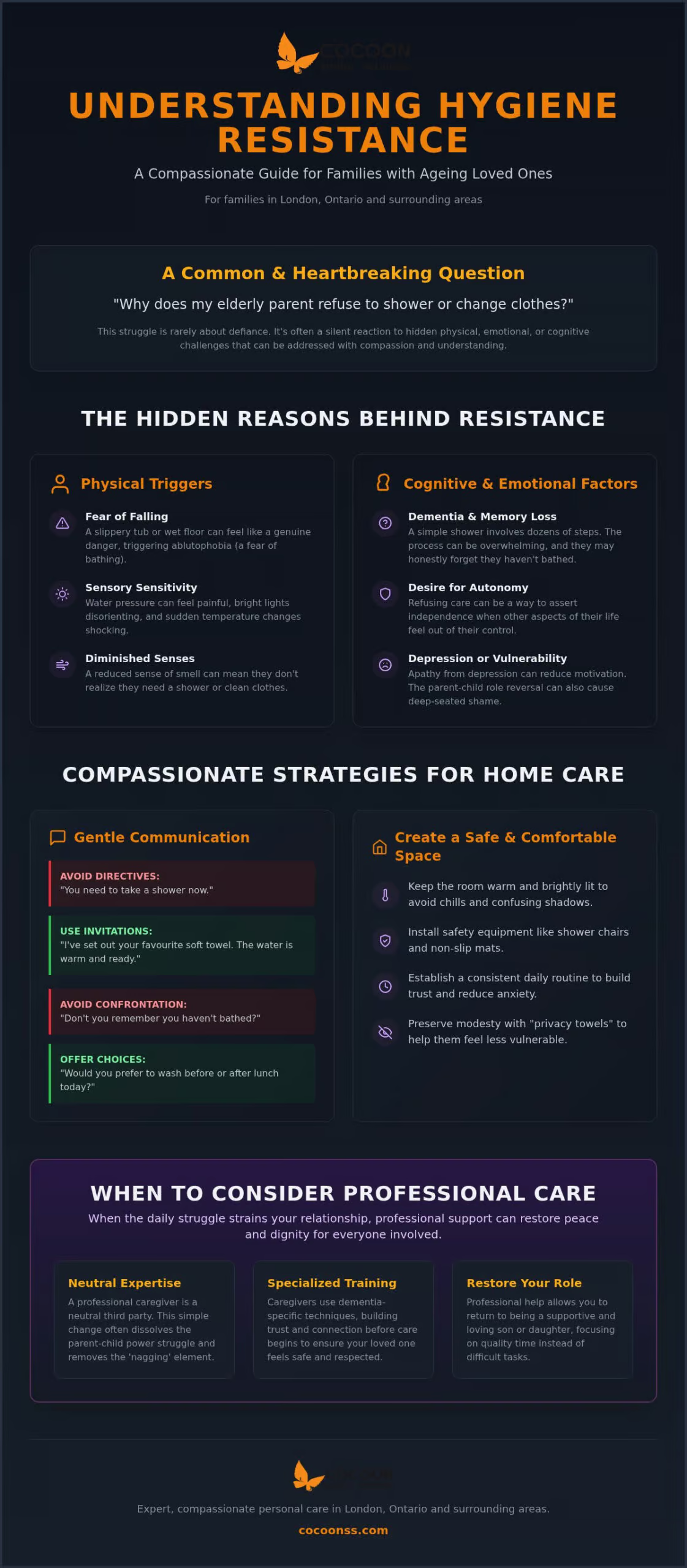
Hygiene refusal is a deeply personal challenge that often stems from a condition called ablutophobia, which is a persistent and irrational fear of bathing. For many seniors in London, Ontario and surrounding areas, this isn’t about being stubborn. It’s about a perceived threat to their safety. A slippery tub or the sudden shock of cold water can feel like a genuine danger. Physical changes play a significant role. Sensory sensitivities might make the pressure of a shower head feel like needles on the skin, while the glare of bright bathroom tiles can cause disorientation. Additionally, a diminished sense of smell can prevent a senior from realizing they need a change of clothes. Psychological factors, such as depression or a desire to maintain autonomy, often lead to the question: Why does my elderly parent refuse to shower or change clothes? Hygiene resistance is a symptom of underlying physical or cognitive changes rather than a personality flaw.
The Impact of Cognitive Decline and Dementia
Dementia transforms a simple shower into a complex, frightening puzzle. The process requires dozens of steps, from checking the water temperature to finding a clean towel and coordinating movement. When the brain can no longer sequence these actions, the senior may feel overwhelmed and simply retreat. Memory loss adds another layer of difficulty. Your parent might honestly believe they bathed an hour ago because their internal clock has lost its rhythm. This confusion is frequently the reason why does my elderly parent refuse to shower or change clothes even when the need is obvious to others. In these moments, specialized support is essential. Professional Specialized Dementia & Alzheimer’s Care provides the patience and expertise needed to navigate these delicate situations with grace, focusing on comfort rather than just the task.
Compassionate Ways to Encourage Personal Care at Home
Transforming the bathroom experience begins with a gentle shift in how we communicate. Instead of using directives like “You need to wash,” which can feel confrontational, try an invitational approach. Phrases like “The water is warm and ready for you” or “I’ve set out your favourite soft towel” create a sense of comfort rather than a demand. This subtle change helps address the emotional tension that often arises when families wonder, why does my elderly parent refuse to shower or change clothes? Empowerment is another powerful tool. Offering simple choices, such as “Would you like to wash before or after lunch?” or “Should we use the lavender soap or the unscented one?” returns a sense of control to the senior.
The physical environment also dictates the success of the routine. A chilly, dark bathroom can trigger immediate anxiety or sensory overload. Ensure the room is brightly lit to eliminate confusing shadows and keep the temperature comfortably high. Consistency builds trust. When a senior knows exactly what to expect each day, their fight-or-flight response begins to settle. If you find the daily struggle is straining your relationship, exploring professional Personal Care options can help restore a peaceful dynamic at home.
Creating a Comfortable and Safe Environment
Preserving modesty is essential for maintaining dignity during personal care. Using “privacy towels” to keep the senior covered while washing different areas helps them feel less vulnerable. Practical adjustments, such as installing a sturdy shower chair or using a handheld showerhead, significantly increase the feeling of safety. For families seeking more visual guidance, the Cocoon YouTube page offers helpful tips on senior care and bathroom safety. These small changes collectively answer the frustrating question: why does my elderly parent refuse to shower or change clothes? By focusing on comfort, you turn a point of conflict into a moment of connection.
Professional Personal Care Support in London and Surrounding Areas
Sometimes, no matter how many warm towels or gentle words you offer, the resistance continues. This often leads back to the painful question: Why does my elderly parent refuse to shower or change clothes? In many cases, the friction is a result of the complex emotional bond between parent and child. A daughter or son asking a parent to undress can feel like a role reversal that triggers deep-seated shame or defiance. Bringing in a professional third party changes this dynamic immediately. At Cocoon Senior Services, our caregivers are seen as neutral experts. This shift often dissolves the power struggle. It removes the ‘nagging’ element from your family bond, allowing you to return to being a supportive son or daughter.
Our customized approach in London, Ontario ensures that every senior feels respected and safe in their own home. We prioritize dignity above all else, adapting our pace to the individual’s comfort level. For a broader look at how we support aging in place with compassion, you can explore our Senior Home Care Services in London, Ontario.
How Cocoon Senior Services Helps Local Families
Our team is specifically trained in dementia-specific techniques to handle hygiene refusal with patience and expertise. We understand that a shower isn’t just a task to be checked off; it’s a sensory experience that requires a foundation of trust. We focus on building a genuine connection first, ensuring your loved one feels safe and comfortable before any personal care begins. If you are struggling with these daily routines in London and surrounding areas, we invite you to reach out for a consultation to discuss your family’s unique needs and discover how professional support can bring peace back to your home.
Restoring Peace and Hygiene to Your Home
Navigating the delicate challenges of senior hygiene requires patience, understanding, and often a fresh perspective. By shifting from demands to invitations and creating a safe, warm environment, you can reduce the daily friction that strains family relationships. Remember that the question, why does my elderly parent refuse to shower or change clothes? is usually answered by addressing underlying fears or cognitive shifts rather than simply insisting on compliance. Cocoon Senior Services is expertly trained in dementia and Alzheimer’s care strategies, serving families across London, Ontario and surrounding areas with a focus on maintaining senior dignity and independence. You don’t have to manage these power struggles alone. Contact Cocoon Senior Services for a compassionate personal care assessment in London, Ontario to discover how we can help your loved one feel safe and respected. Together, we can find a gentle path forward that protects your bond.
Frequently Asked Questions
Is it normal for a senior with dementia to refuse to change their clothes?
It is very common for seniors with dementia to wear the same outfit daily. This often happens because they lose track of time or feel a deep sense of security in familiar fabrics. They might genuinely believe they changed just moments ago. This confusion is a core reason why does my elderly parent refuse to shower or change clothes. Providing identical sets of soft, favourite outfits can help maintain hygiene without causing distress.
How often does an elderly person actually need to shower for health reasons?
Most health professionals suggest that a full shower twice a week is sufficient to maintain skin health and prevent infections. Daily full-body bathing isn’t always necessary for seniors with lower activity levels. Instead, you can focus on daily sponge baths for critical areas to ensure comfort. This reduced frequency often lowers anxiety for those who find the bathroom environment overwhelming, loud, or cold.
What should I do if my parent becomes aggressive when I suggest a bath?
If aggression occurs, stop the attempt immediately to prioritize safety and emotional security. Aggression is usually a signal of fear or overstimulation rather than actual anger. Wait for a calmer moment and try changing your approach from a demand to a gentle invitation. Creating a warm, quiet atmosphere with soft lighting can help soothe their senses and make the transition to personal care feel less threatening.
Can a professional caregiver help if my parent refuses to listen to me?
Yes, a professional caregiver from Cocoon Senior Services can often succeed where family members struggle. Seniors frequently respond better to a neutral expert who isn’t part of the family’s complex emotional history. Our team uses specialized dementia techniques to build trust first. This professional presence shifts the focus from a power struggle to a supportive routine, helping families in London, Ontario maintain their loving bond.
Disclaimer
We aim to provide helpful guidance for seniors and families, but this content should not replace professional medical advice. Some links may be affiliate links, and we are not responsible for third-party content.