

When to Get Home Care: Early Signs for London Families
You notice a bruised elbow after a Sunday visit, or perhaps the fridge looks unusually sparse. These moments are quiet and almost invisible, yet they carry a weight that lingers long after you return to your own house. It is natural to feel a tug of guilt when you realize you cannot be there every hour, or a surge of anxiety when a medication bottle remains full. You want to protect their independence while ensuring they stay safe. Understanding the Early signs aging parents need home care is an act of love, ensuring that the transition to extra help feels like a gentle addition to their daily life rather than a sudden loss of control.
Learn to identify the subtle shifts in your parents’ behaviour so you can provide the right support before a health crisis occurs. This article provides a clear look at what early decline looks like and offers practical tips to broach the subject with grace. We also introduce Cocoon Senior Services as a reliable resource for families in London, Ontario and surrounding areas. By recognizing these changes now, you can replace confusion with a thoughtful plan that honours their dignity and restores your own sense of calm.
Key Takeaways
- Spot subtle shifts in the home, like expired groceries or neglected personal grooming, that suggest daily household tasks are becoming a burden.
- Recognize the Early signs aging parents need home care, such as confusion with familiar recipes or electronics, before a health crisis occurs.
- Identify why social withdrawal from community events in London and surrounding areas may signal cognitive fatigue rather than a simple change in preference.
- Learn how to initiate a calm, respectful conversation about support that focuses on maintaining independence and dignity.
- Understand how a professional home safety assessment can identify fall risks and provide peace of mind for family caregivers.
Subtle Physical and Hygiene Changes to Monitor
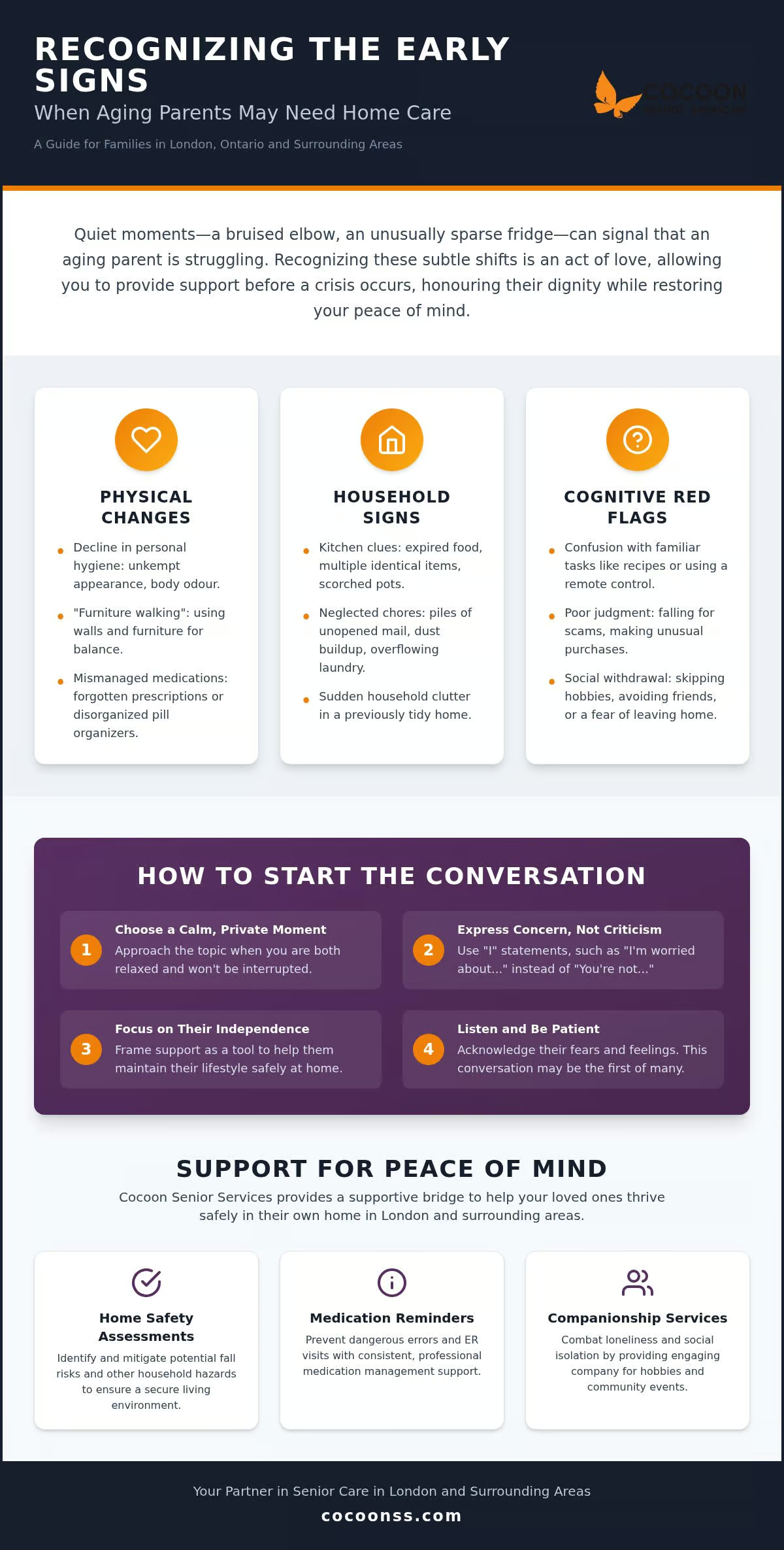
Changes in a parent’s physical well-being often appear as quiet ripples before they become waves. You might notice a favourite sweater looking looser. You might see a sudden hesitation before they step onto the porch. Identifying the Early signs aging parents need home care helps you intervene before a minor slip becomes a major fall. While many people ask What is home care? to understand the scope of professional help, it essentially serves as a supportive bridge that maintains their comfort in London and surrounding areas.
The Kitchen and Household Maintenance Test
The kitchen is the heart of the home. It also reveals the most about cognitive and physical health. Open the fridge; a collection of expired milk cartons or three identical jars of pickles suggests they are struggling with memory or meal planning. Look at the stovetop. Scorched cookware or a pile of unopened mail on the counter often indicates that once-routine tasks are becoming overwhelming. These small details tell a story of daily struggle that your parents may be too proud to mention.
- Check for multiple jars of the same item, which is a common sign of forgetfulness.
- Look for signs of neglected chores, such as overflowing laundry or dust buildup in usually tidy areas.
- Tip: Observe if they are "furniture walking," which involves touching tables and walls for balance as they move through the house. It’s a clear sign their stability is compromised.
Personal Care and Medication Management
Personal hygiene is a deeply private matter. A decline here is a significant red flag. Unkempt hair, a noticeable body odour, or wearing the same outfit for several days can signal that the bathing routine has become physically difficult or frightening. It’s not about a lack of desire for cleanliness; it’s about the exhaustion that comes with managing these movements alone. When these tasks become a burden, the risk of a household accident increases significantly.
Medication management is equally vital. Mismanaged pill organizers or forgotten prescriptions can lead to sudden health complications that require emergency intervention. Medication reminders from Cocoon Senior Services can prevent emergency room visits by ensuring your loved one stays on track with their health regimen. Addressing these needs early allows for a more graceful transition into care, and you can find practical safety demonstrations on the Cocoon YouTube page. Recognizing the 3. Early signs aging parents need home care provides the scaffolding they need to stay in the home they love.
Cognitive and Emotional Red Flags in Aging Parents
Cognitive changes often arrive in whispers. You might notice your mother, a lifelong baker, hesitating over a familiar brownie recipe. Or perhaps your father struggles to navigate the television remote, a device he has used daily for years. These moments of confusion are more than mere forgetfulness; they represent a fraying of the mental maps we use to navigate the world. These are among the 7 common signs to watch for when assessing if a loved one requires extra help. Recognizing these Early signs aging parents need home care allows families to provide a safety net before a significant lapse in judgment occurs.
Distinguishing Normal Aging from Early Dementia
It’s common to misplace car keys or forget a neighbour’s name. However, concerning decline involves a fundamental loss of function, such as forgetting how to use a telephone or becoming lost on a street they have walked for forty years. A sudden lack of judgment is another indicator. If a parent who was always financially savvy starts falling for obvious telephone scams or making impulsive purchases, it’s time to pay closer attention. For those seeking expert guidance, Cocoon’s YouTube channel offers specialized tips on identifying early memory loss and managing these transitions with dignity.
Social Isolation and Emotional Well-being
Emotional health is deeply tied to physical longevity. Observe if your loved one has suddenly withdrawn from community events in London, Ontario or stopped attending their favourite local hobbies. Loneliness isn’t just a feeling; it can accelerate physical decline and increase anxiety. You might notice an unexplained fear of driving to familiar shops in London and surrounding areas or a general lack of motivation to leave the house. Companionship services can revitalize a senior’s interest in the world, providing the emotional security they need to stay engaged. If you’re noticing these Early signs aging parents need home care, exploring professional support options can help restore their confidence and your peace of mind.
Taking Action: Supporting Your Parents in London, Ontario
Recognizing the Early signs aging parents need home care is a vital first step, but the path forward requires a gentle touch. It’s often difficult for parents to admit they need help, as they fear losing the independence they’ve spent a lifetime building. Transitioning from being the sole family caregiver to accepting professional support isn’t a sign of failure. Instead, it’s a way to preserve the child-parent relationship, allowing you to focus on meaningful connection while Cocoon Senior Services handles the daily complexities of household support.
Starting the Conversation with Dignity
Approaching this topic requires patience and a focus on partnership. Avoid accusatory "you" statements that might trigger defensiveness. Instead, use "I" statements to share your observations with love. You might say, "I noticed the mail is piling up, and I’m worried it’s becoming a burden for you." Focus on specific details rather than generalities about their abilities. Suggesting a trial period of personal care services is a low-pressure way to see how extra support can actually enhance their freedom. A professional home safety assessment is also a practical starting point to identify fall risks without making the conversation feel overly medical.
Personalized Support in London and Surrounding Areas
Choosing a local provider ensures your family benefits from a deep understanding of the community resources available in London, Ontario. Professional housekeeping and meal preparation do more than just clean a kitchen; they remove the physical strain that often leads to exhaustion. For families living far away, medication reminders and companionship provide a layer of emotional security that phone calls alone cannot match. This support creates a foundation of safety that allows seniors to stay in their cherished homes longer. We invite you to follow Cocoon’s Facebook page for ongoing tips on senior wellness and local resources in the London area. By addressing the Early signs aging parents need home care today, you’re investing in a future defined by dignity and tranquility for the whole family.
Embracing a Future of Support and Dignity
Recognizing the Early signs that aging parents need home care allows you to act with foresight rather than urgency. By observing subtle shifts in hygiene, kitchen habits, and social engagement, you can provide help before a crisis occurs. These observations aren’t about highlighting limitations. They’re about building a bridge to a safer, more comfortable life in London and surrounding areas. Professional support ensures your parents maintain their independence while you regain the space to simply be their child again.
Cocoon Senior Services is locally owned and operated in London, Ontario. We offer certified dementia care expertise and customized household support plans tailored to your loved one’s specific needs. Contact Cocoon Senior Services today to discuss a personalized care plan for your loved one.
You don’t have to manage these transitions alone. With the right support in place, your parents can continue to find joy in their daily routines while you enjoy the peace of mind that comes from knowing they’re safe and well-cared for.
Frequently Asked Questions
How do I know if my parent is just being forgetful or if it is dementia?
Occasional forgetfulness, such as misplacing glasses or forgetting a neighbour’s name, is a common part of aging. Concerning decline involves a loss of function, such as forgetting how to use a microwave or becoming lost in a familiar London neighbourhood. If you notice your loved one repeating the same question multiple times or losing the ability to follow a sequence of steps, these are the Early signs aging parents need home care. These shifts suggest that the mental maps they use for daily life are beginning to fade.
What should I do if my aging parent refuses to accept home care help?
Start by framing the support as a way to maintain their independence rather than a loss of control. Suggest a trial period for non-intrusive services like housekeeping or meal preparation. This allows them to experience the benefits of extra help without feeling overwhelmed by a permanent change. Focus on your own peace of mind, explaining that having someone check in helps you feel less anxious. Often, a parent is more willing to accept help if they feel it is a gift to their children.
Are there government-funded home care options available in London, Ontario?
Ontario Health at Home, formerly known as the CCAC or LHIN, provides publicly funded home care services for eligible individuals at no out-of-pocket cost. You can request a free assessment by calling 310-2222 from any Ontario phone number to determine what support is available. While these services are a valuable resource, many families in London and surrounding areas find that the allotted hours are limited. Many choose to supplement government care with private support to ensure their loved ones receive consistent attention.
How much does private home care typically cost in Ontario?
The cost of private home care depends on the specific level of support required and whether the care is for short visits or overnight stays. Families should explore available financial supports, such as the Ontario Seniors Care at Home Tax Credit. For the 2025 tax year, this refundable credit allows seniors aged 70 and older to claim up to 25% of eligible medical expenses, with a maximum credit of $1,500. This can help offset the costs of personalized care plans designed to help seniors age safely in their own homes.
Disclaimer
We aim to provide helpful guidance for seniors and families, but this content should not replace professional medical advice. Some links may be affiliate links, and we are not responsible for third-party content.