

When Companionship Isn’t Enough: Care Signs for London Seniors
What if the gentle visits that once brought so much joy are now quietly masking a growing risk in your loved one’s home? You want to believe that a shared pot of tea and a garden walk are still enough to keep everything in balance. It’s a common feeling. Many families in London struggle with a heavy sense of guilt as they ask themselves, how do I know when companionship is no longer enough? You aren’t alone in this delicate transition. We understand that your home is a sanctuary. It’s a place where memories are woven into the very fabric of the rooms. This article offers you the clarity you need to recognize subtle red flags, from missed medications to changes in personal hygiene. You’ll find a practical checklist of signs and the professional permission to embrace a higher level of support without the weight of worry.
Key Takeaways
- Understand why social companionship, while vital for emotional well-being, cannot address the physical risks associated with declining mobility or cognitive changes.
- Identify the subtle physical red flags, such as unexplained weight loss or neglected hygiene, that answer the question: how do I know when companionship is no longer enough?
- Learn how to introduce the transition to enhanced personal care gracefully, ensuring your loved one feels supported and respected rather than managed.
- Discover the value of a professional assessment in finding the perfect balance between household support and personal care to maintain safety at home.
Recognizing the Limit: Why Companionship Is Only Part of the Equation
Companionship is the quiet heart of aging in place. It is the laughter shared over a game of bridge or the gentle rhythm of a walk through one of our beautiful London parks. These social connections are vital for emotional health. However, Elderly care encompasses far more than just friendship. While a companion prevents the shadows of isolation, they aren’t equipped to manage a sudden decline in physical health or the complex onset of cognitive changes.
You might feel a heavy pang of guilt when you realize the current arrangement is no longer keeping your parent safe. Please understand that asking, “How do I know when companionship is no longer enough?” is a profound testament to your devotion. It shows you are paying attention to the small shifts. We often identify a “safety threshold” where social visits alone can no longer mitigate the risks of living alone. This is the moment when the sanctuary of home begins to feel fragile.
To better understand the different levels of support available, watch this helpful video:
The Critical Difference Between a Companion and a Personal Care Professional
Companions focus on engagement and the human spirit. Personal care professionals are specifically trained to assist with Activities of Daily Living (ADLs). Many seniors resist this shift to protect their sense of self. It’s a natural reaction to fearing a loss of independence. At Cocoon Senior Services, we bridge this gap by blending social warmth with physical support. We ensure that assistance with bathing or dressing feels like a natural, dignified extension of a trusted friendship. Our goal is to provide that extra mile of care before a minor slip becomes a major crisis.
5 Signs Your Loved One Needs Professional Personal Care
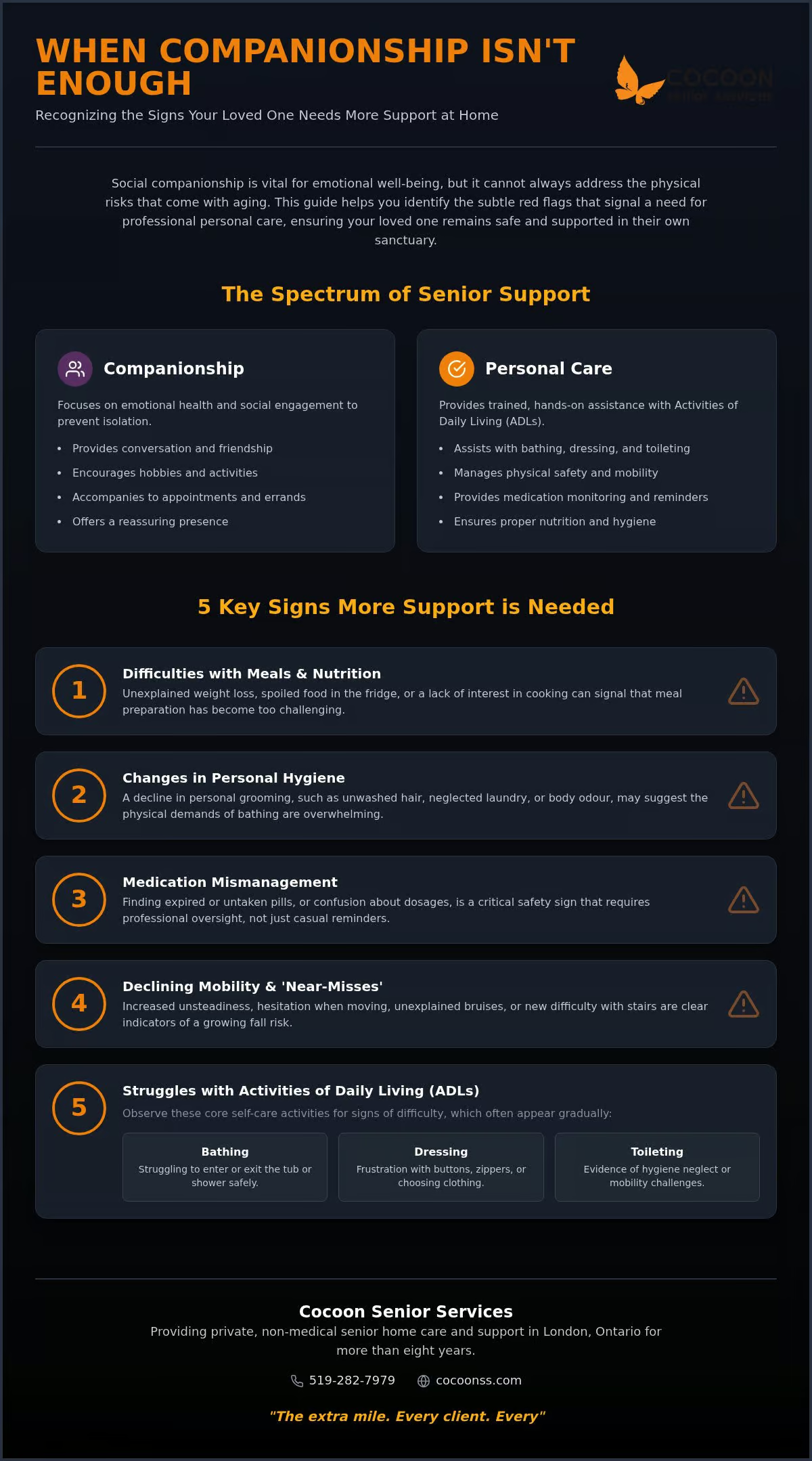
Recognizing the shift from social support to physical assistance is a quiet process of discovery. You might notice the fridge holds spoiled milk or that your parent is losing weight unexpectedly. These are clear signals that meal preparation has become a complex chore rather than a simple routine. Hygiene often follows; a change in laundry cleanliness or unwashed hair suggests that the sensory or physical demands of bathing are becoming overwhelming. If you find yourself asking, “How do I know when companionship is no longer enough?”, look closely at these subtle changes in daily rhythm.
Medication mismanagement is another critical threshold. A social companion offers a pleasant distraction, but they aren’t trained to monitor the precision of dosages. Similarly, increased mobility issues, such as frequent “near-misses” or a sudden hesitation to move between rooms, signal a need for hands-on safety. If you feel uneasy about their safety, it’s time to explore Senior Home Care Services in London, Ontario to restore your peace of mind.
Assessing ADLs: A Practical Checklist for London Families
London is home to many beautiful, older properties. While these houses are full of character, their narrow stairs and high-walled tubs often complicate Activities of Daily Living (ADLs). Use this checklist to evaluate their current needs:
- Bathing: Do they struggle to enter or exit the tub safely?
- Dressing: Are buttons and zippers becoming frustrated hurdles?
- Toileting: Is there evidence of hygiene neglect or difficulty with mobility?
If these challenges are present, a professional assessment from Cocoon Senior Services can provide a roadmap for safe aging at home. We believe in going the extra mile to ensure every client feels secure in their own sanctuary.
Navigating the Transition to Enhanced Home Care in London, Ontario
Introducing the idea of personal care to a parent requires a soft, rhythmic touch. It isn’t about stripping away their independence. Rather, it’s about adding a layer of safety so they can remain in their own sanctuary. Many families ask us, “How do I know when companionship is no longer enough?” The answer often lies in a professional assessment. By identifying the right balance of housekeeping, meal preparation, and personal care early, you prevent the stressful “crisis move” to a nursing home that often follows a fall or medical error. Private home care allows your loved one to stay at their own centre, surrounded by the textures and memories that define their life.
Institutional settings often feel sterile and hurried. In contrast, private care provides a quiet, meditative flow that respects the individual’s history. Upgrading support levels now is an act of love. It ensures that the home remains a place of peace rather than a source of anxiety or hidden danger. When you realize the current rhythm is shifting, it’s natural to wonder, “How do I know when companionship is no longer enough?” We are here to guide you through that transition with patience and expertise.
How Cocoon Senior Services Goes the Extra Mile
Our founder’s approach as a certified dementia professional ensures that every care plan is built with a deep understanding of how cognitive changes affect daily life. We don’t just provide physical help; we nurture the soul. We offer unique lifestyle supports like in-home dental care and pet services to ensure your loved one’s joy and routines remain intact. We’ve served London families for over eight years, and we’re here to help you bridge this gap with grace. Please call us at 519-282-7979 for a compassionate conversation before a crisis occurs. We believe in providing the support you need to breathe a little easier.
The extra mile. Every client. Every.
Choosing Peace of Mind for Your Loved One’s Future
Aging at home should feel like a soft retreat, not a source of constant worry. By recognizing the subtle shift from needing a friend to needing physical support, you’re protecting the dignity of your loved one. You’ve learned how to spot red flags like medication errors and hygiene changes while understanding the value of a professional assessment. When you find yourself asking, “How do I know when companionship is no longer enough?”, remember that seeking help is a proactive act of love. Cocoon Senior Services has provided award-winning private care for over eight years, specializing in dementia and Alzheimer’s support. Don’t wait for a crisis. Contact Cocoon Senior Services today or call 519-282-7979 to discuss a personalized care plan for your loved one. You don’t have to navigate this alone. We keep your home at the centre of your world.
The extra mile. Every client. Every.
Frequently Asked Questions
Is it normal to feel guilty when companionship care is no longer enough?
Guilt is an incredibly common emotion for family caregivers in London. It’s natural to feel like you should be able to do it all, but asking, “how do I know when companionship is no longer enough?” is actually a sign of your success as an advocate. Recognizing that your parent needs professional physical support is an act of love that prevents future accidents and preserves their dignity.
What is the main difference between companionship and personal care in Ontario?
The primary difference lies in the level of physical assistance. Companionship focuses on social connection and emotional well-being, like sharing tea or stories. Personal care involves hands-on support for Activities of Daily Living, including bathing, dressing, and toileting. Our team at Cocoon Senior Services integrates both, ensuring your loved one’s physical safety is managed with the same warmth and respect as a social visit.
Can my parent stay at home if they need help with bathing and medications?
Yes, your parent can stay in the home they love even when their needs evolve. We provide specialized support like medication reminders and personal care to ensure seniors in London remain safe in their own sanctuary. Professional help maintains their independence and prevents the “crisis move” to an institutional facility that often follows an avoidable fall or a serious medication error.
How do I talk to my parent about bringing in a personal care worker?
Approach the topic with warmth and focus on “preserving independence” rather than “losing control.” Suggest that professional help with bathing or meal preparation allows your time together to be about joy rather than chores. Introducing a care worker gradually often feels more natural. Framing the transition as a way to stay at home longer usually resonates deeply with seniors across the London area.
The extra mile. Every client. Every.
Disclaimer
We aim to provide helpful guidance for seniors and families, but this content should not replace professional medical advice. Some links may be affiliate links, and we are not responsible for third-party content.