Ways to Make London Homes More Sensory-Friendly
The afternoon sun streams through the kitchen window, but instead of warmth, your father feels only the sharp sting of glare. The hum of the dishwasher, once a background rhythm, now feels like a physical weight on his nerves. At Cocoon Senior Services, we understand that a home should be a sanctuary, not a source of agitation. It is heart-wrenching to watch a loved one retreat because their environment feels overwhelming or confusing.
In this guide, we explore simple ways to make homes more sensory-friendly or supportive for families in London. You’ll discover how subtle shifts in lighting, sound, and layout can restore a sense of calm and dignity. We will look at low-cost, tactile adjustments that reduce caregiver stress and help prevent the fear of falls. Let’s transform these daily frustrations into a quiet, dignified retreat that supports independence today before a crisis occurs.
Key Takeaways
- Understand how age-related sensory changes impact daily life and why “organizing for peace” is more effective than simple cleaning for cognitive health.
- Discover simple ways to make homes more sensory-friendly or supportive for seniors by adjusting lighting, sound, and visual cues to create a safer space.
- Learn how to reduce caregiver stress and prevent falls by creating a predictable environment that minimizes distressing stimuli and supports dignity.
- See how integrating professional companionship can help sustain a sensory-safe sanctuary while providing the social engagement necessary for long-term independence.
Understanding Sensory Processing in Seniors: Why Your Home Environment Matters
A sensory-friendly home is a sanctuary that filters out the static of the modern world. It is a space where we intentionally minimize distressing stimuli and highlight the essential cues a senior needs to feel safe. As we age, our senses often become less reliable. Macular degeneration blurs the edges of a room, while hearing loss turns a simple conversation into a tiring puzzle. This creates a "noisy" environment where the brain works overtime just to make sense of its surroundings.
For those living with dementia, this sensory static can be overwhelming. It often mirrors the challenges of sensory processing disorder, making everyday tasks feel like a mountain to climb. In the late afternoon, the "sundowning" effect can turn long shadows into frightening shapes. We strive to create a "Cocoon" for our clients. This is a home that offers a soft, protective embrace instead of a confusing maze. Understanding these needs leads us to the** simple ways to make homes more sensory-friendly or** safe that we implement for families.
The Impact of Sensory Overload on Dementia Care
In my experience as a Care Coordinator, I’ve seen how sensory overload leads to "responsive behaviours." Agitation and withdrawal are often just a reaction to a chaotic room. We focus on "sensory joy" by introducing familiar textures, like a soft wool throw, or the gentle scent of lavender. These cues provide emotional security and ground the individual. A sensory-friendly home in London is the first step in preserving the independence and dignity of our aging neighbours.
4 Simple Ways to Make Homes More Sensory-Friendly for Seniors
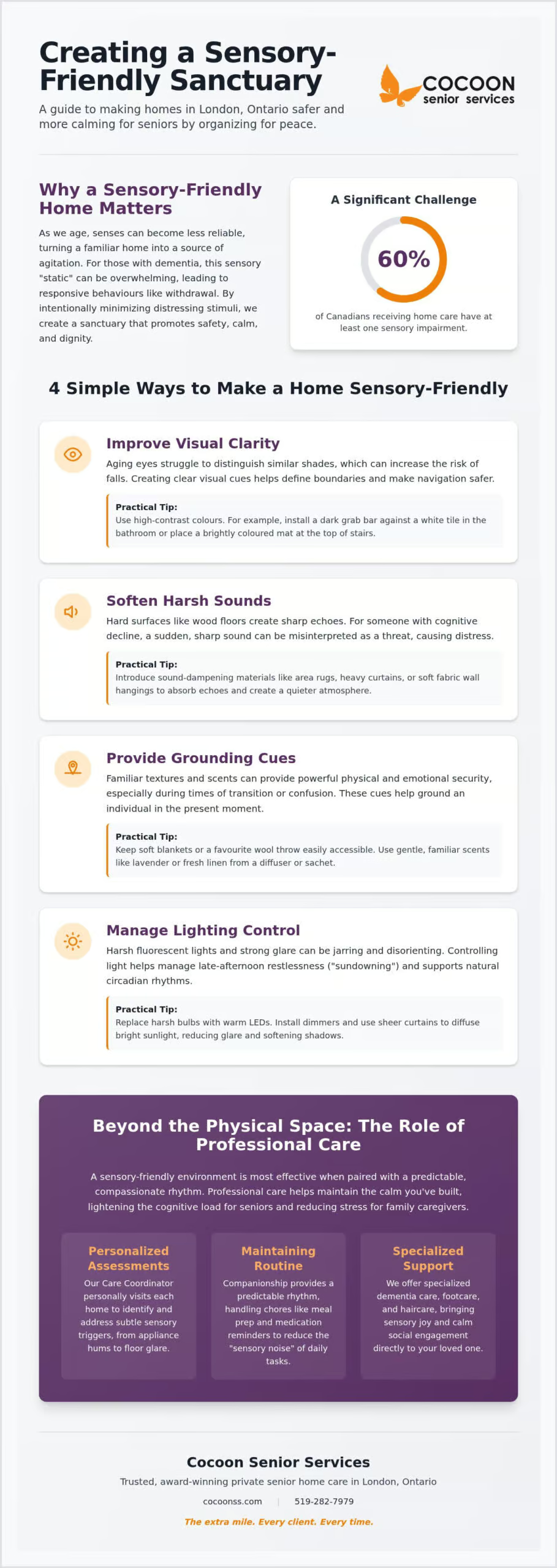
Transforming a living space doesn’t require a major renovation. These are practical, low-cost shifts any London family can manage this weekend. We aren’t just cleaning up; we are organizing for peace. This approach gives caregivers a sense of control over the home atmosphere. Since 60% of Canadians receiving home care have at least one sensory impairment, these small changes have a massive impact on daily comfort.
Step-by-Step Environmental Adjustments
- Visual Clarity: Aging eyes struggle to distinguish similar shades. Use high-contrast colours, like a dark grab bar against white tile, to define boundaries and prevent falls.
- Auditory Softening: Hardwood floors create sharp echoes. Introduce area rugs and heavy curtains to dampen sounds. A sudden echo can be misinterpreted as a threat by someone with cognitive decline.
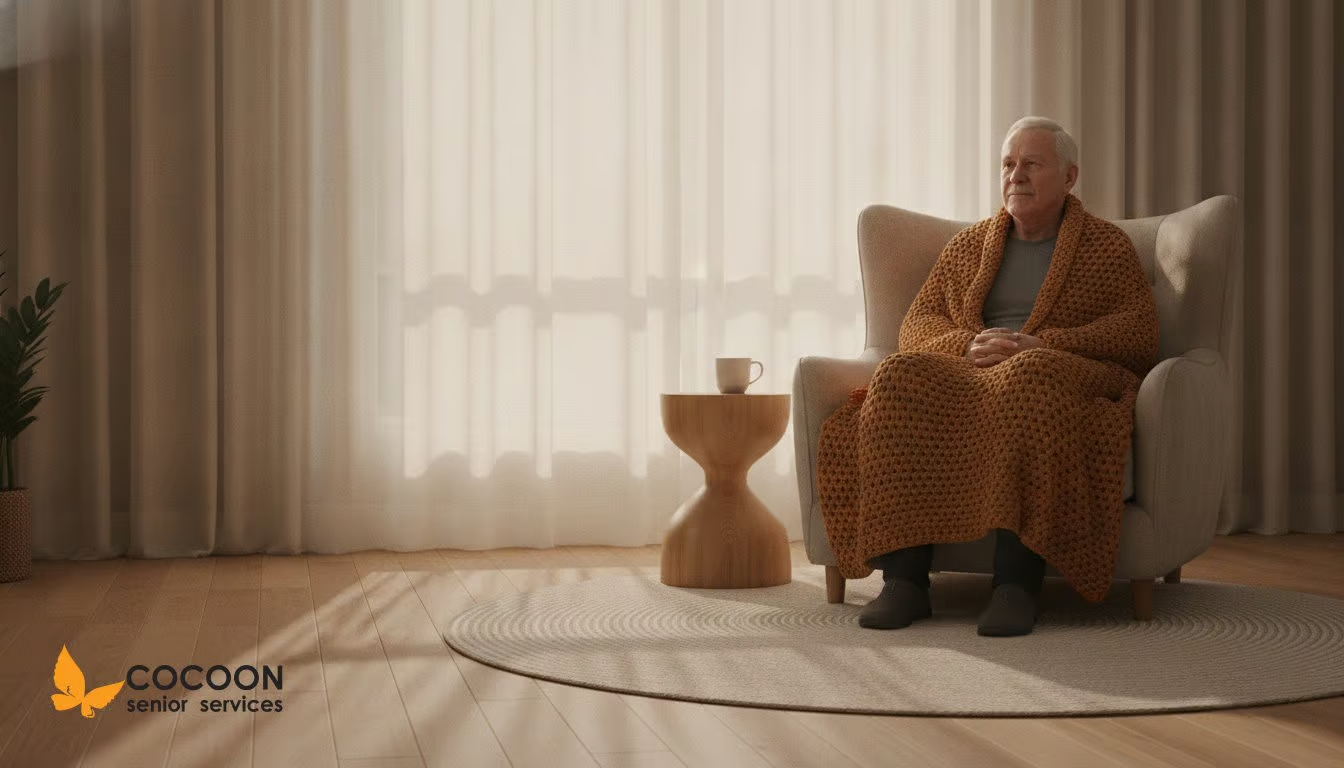
- Tactile and Olfactory Grounding: Soft blankets and familiar scents, like lavender or fresh linen, provide grounding. These sensory cues offer physical and emotional security during transitions, making a senior feel held and safe.
- Lighting Control: Harsh fluorescent lights are jarring. Replace them with warm LEDs and install dimmers to mimic natural circadian rhythms. This is essential for managing late-afternoon restlessness.
Implementing these** simple ways to make homes more sensory-friendly or** supportive is a proactive step toward safer aging. If you’re looking for ways to sustain this calm, discovering how private senior home care supports these environmental shifts can provide lasting peace of mind. We believe in creating a sanctuary before a crisis occurs, ensuring every client feels a sense of belonging in their own space.
Beyond the Physical Space: Integrating Professional Care and Routine
A physical sanctuary is only the foundation. True peace comes when the environment is paired with a predictable, compassionate rhythm. When a senior knows what to expect, their cognitive load lightens. Professional companionship ensures these sensory standards don’t slip. We help maintain the calm you’ve built. By handling meal preparation and medication reminders, we remove the "sensory noise" of frantic daily chores. This allows the senior to focus on social engagement and meaningful moments rather than the stress of "what comes next."
Many caregivers feel they should do everything themselves. It’s a heavy burden. Choosing proactive care coordination isn’t a sign of failure. It’s a way to preserve your own well-being while ensuring your loved one thrives. These** 4 simple ways to make homes more sensory-friendly or** supportive are most effective when supported by a steady, professional hand. We act as partners in your care journey, ensuring the home remains a place of rest for everyone involved.
How Cocoon Senior Services Supports London Families
At Cocoon Senior Services, our process begins with a personal touch. I personally visit each home to identify subtle sensory triggers that might cause agitation. We look for everything from glare on a polished floor to the hum of an old refrigerator. Our specialized offerings bring sensory joy directly to your door:
- Footcare and haircare that provide a spa-like experience.
- Companionship that focuses on meaningful, calm social engagement.
- Specialized dementia and Alzheimer’s care tailored to individual triggers.
For a deeper look at how we help, explore our Senior Home Care Services in London, Ontario guide. We believe in providing the extra mile. Every client. Every time. Contact Lisa Brooks at 519-282-7979 to discuss a personalized care plan that honours your family’s needs today.
Creating Your Sanctuary in London Today
Your home should be a place where the world feels manageable and kind. By implementing these 4 simple ways to make homes more sensory-friendly or supportive, you’re choosing to honour your loved one’s dignity. We’ve seen how reducing glare and dampening echoes can transform a senior’s daily life from one of confusion to one of quiet peace. At Cocoon Senior Services, we’ve spent over 8 years helping London families navigate these transitions with award-winning care. As a certified dementia specialist, I understand that every small adjustment is a vital step toward preserving independence. Don’t wait for a crisis to start organizing for peace.
Ready to create a calmer home for your loved one? Book a free care consultation with Cocoon Senior Services today. You deserve the peace of mind that comes with professional, compassionate support. The extra mile. Every client. Every time.
Frequently Asked Questions
What are the first signs that my parent’s home is not sensory-friendly?
Increased agitation or squinting at glares are primary indicators that an environment is overstimulating. You might notice your parent retreating from rooms with echoes or becoming restless during the late afternoon sundowning period. If background noises like a buzzing fan cause visible distress, it’s a sign to look into 4 simple ways to make homes more sensory-friendly or safer through intentional environmental changes.
How can I reduce noise in a senior’s home without expensive renovations?
You can dampen intrusive sounds by introducing rich textures into the living space. Hanging heavy curtains and placing plush area rugs are effective ways to absorb echoes that often confuse aging ears. Felt pads on furniture legs and draught excluders on doors also help eliminate sharp, rattling noises. These simple additions create a quieter atmosphere without the need for structural changes.
Are there specific colours that help seniors with dementia feel more calm?
Soft, earth-toned colours like muted greens and blues are exceptionally grounding for those with dementia. It’s best to avoid busy patterns on rugs or walls, as these can cause visual distortion and anxiety. Solid, calming colours help define a space as a sanctuary. Using high-contrast colours for essential items, like dark blue mugs on a light tray, also assists with visual recognition.
How does lighting affect sleep patterns in seniors with Alzheimer’s?
Lighting plays a crucial role in managing the circadian rhythms that govern sleep. Exposure to harsh, cool-toned light in the evening can disrupt melatonin production, leading to increased nighttime wakefulness and agitation. Transitioning to warm, amber-toned LEDs as evening approaches helps the brain prepare for rest. This adjustment is one of the 4 simple ways to make homes more sensory-friendly or conducive to deep, restorative sleep.
Disclaimer
We aim to provide helpful guidance for seniors and families, but this content should not replace professional medical advice. Some links may be affiliate links, and we are not responsible for third-party content.