

Cognitive Changes Beyond Memory Loss: London Family Guide
Imagine your father, once the master of his workshop, suddenly finds the simple logic of a screwdriver confusing. He remembers what the tool is, but the sequence of fixing a door hinge feels like a puzzle he can’t quite solve. This isn’t just about forgetfulness; it’s a shift in how his mind interacts with the world. It’s deeply unsettling to watch a loved one navigate personality shifts or lose their way during familiar routines. The exhaustion of managing these subtle changes alone is a heavy burden to carry.
In this guide, Cognitive changes beyond memory loss: what families should know, you’ll discover how to identify these multifaceted shifts and learn practical tools to maintain safety and harmony at home. We’ll explore the often overlooked signs of decline and show you how Cocoon Senior Services provides specialized dementia care that honours the dignity of seniors in London and surrounding areas. Understanding these nuances is the first step toward finding peace of mind. You don’t have to manage this journey in isolation.
Key Takeaways
- Learn why executive function makes planning a daily meal more challenging for seniors than simply remembering a favourite recipe.
- Explore how Cognitive changes beyond memory loss: what families should know involves identifying subtle shifts in social filters and financial judgment.
- Discover practical ways to simplify the home environment by reducing clutter to help the brain focus on one task at a time.
- Acquire simple techniques for using visual cues and labels to assist your loved one with recognition and daily navigation.
- Understand how specialized companionship from Cocoon Senior Services in London and surrounding areas provides the professional support needed to reduce isolation.
Beyond Forgetfulness: Identifying Subtle Cognitive Shifts
Dementia often begins with whispers, not shouts. While we naturally look for lost keys or forgotten names, the real changes often happen in how a person organizes their day. Regarding Cognitive changes beyond memory loss: what families should know, the focus must shift toward complex processing. A loved one might still recall their childhood home but struggle to find the right word during a dinner conversation or lose their train of thought mid-sentence. These shifts often signal Mild Cognitive Impairment (MCI), where cognitive domains other than memory begin to fray.
To better understand these non-memory symptoms, watch this helpful explanation:
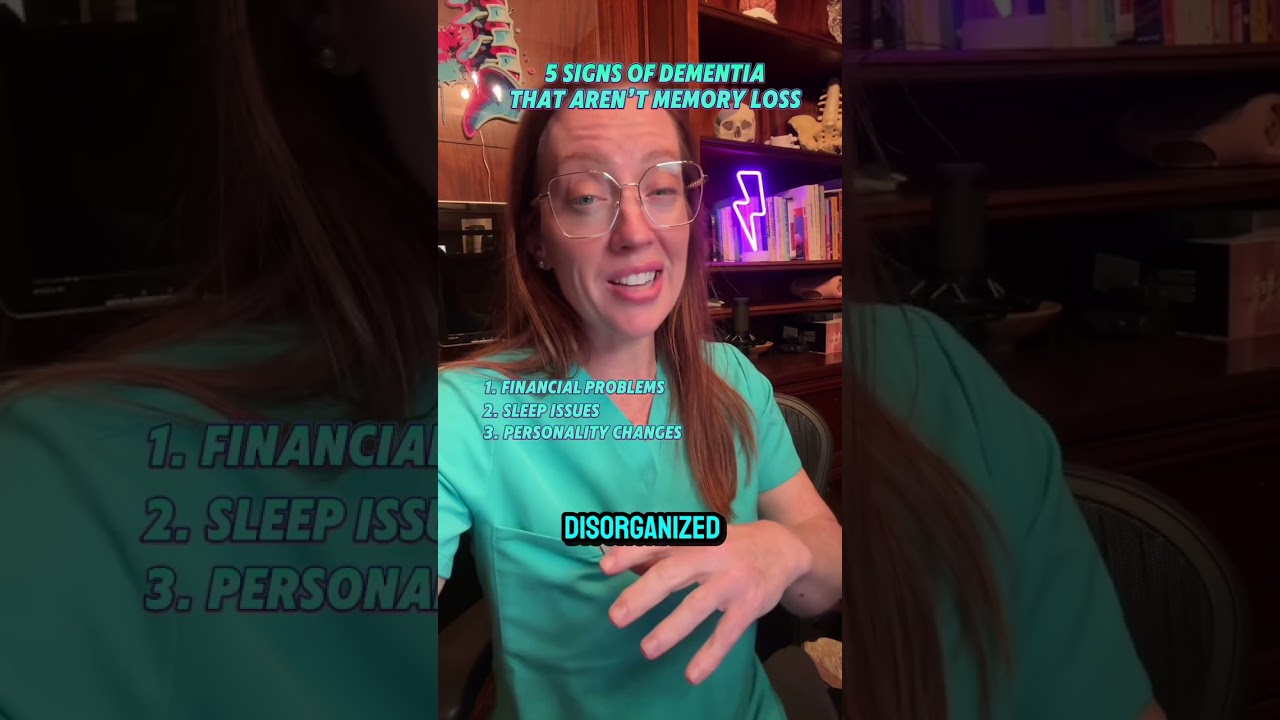
Judgment often shifts before memory fails. You might notice a parent making uncharacteristic financial decisions or losing their social filter in public. Spatial awareness also declines. A senior might become disoriented while driving down Richmond Street or navigating familiar routes in London Ontario. It’s not that they’ve forgotten the address. Their brain is simply struggling to map the physical world. Cocoon Senior Services recognizes these nuances, offering companionship that helps seniors navigate their community with confidence.
Executive Function and Daily Tasks
Planning a meal is far more demanding than remembering a recipe. It requires sequencing. One must start the oven, chop vegetables, and time the main course so everything finishes together. When these steps feel overwhelming, seniors may stop trying. Families often mistake this for laziness, but it isn’t learned helplessness. It’s a breakdown in the brain’s ability to manage multi-step logic. Cocoon Senior Services provides essential household support to manage these complexities, ensuring the home remains a place of order and ease.
Changes in Mood and Personality
Sudden irritability or a lack of interest in long-held hobbies can be heartbreaking for families. Cognitive apathy is a neurological shift rather than a choice. It’s a physical change in the brain’s internal motivation system. Our specialized dementia and Alzheimer’s care focuses on these emotional transitions. We help families realize that a loved one’s withdrawal isn’t a lack of love, but a symptom that requires professional, compassionate support.
Navigating Daily Life: 10 Practical Tips for Families
Understanding the medical shift is only the first step. For families in London Ontario, the daily challenge lies in the "how" of caregiving. When navigating the Cognitive changes beyond memory loss: what families should know, small adjustments to the home environment often yield the most significant results. These changes focus on reducing the cognitive load, allowing your loved one to feel capable and secure. Reviewing the 10 warning signs and symptoms helps distinguish between normal aging and the need for these specialized strategies.
-
Simplify the environment: Clutter is noise for a tired brain. Clear surfaces in the kitchen and living area to help the mind focus on the task at hand.
-
Use visual cues: Label drawers with simple words or pictures. Clear containers for frequently used items assist with recognition when the word for "cereal" or "socks" is hard to find.
-
Maintain a consistent routine: Predictability reduces anxiety. Structure the day so meals, walks, and rest occur at the same time daily.
-
Practice validation therapy: If a loved one is confused about the time or place, don’t offer constant corrections. Acknowledge their feelings to preserve their dignity and prevent agitation.
Communication Strategies That Work
Overwhelming a senior with choices can lead to withdrawal. Use the "one-question-at-a-time" rule. Instead of asking what they want for lunch, offer a single choice: "Would you like soup?" Your non-verbal cues often speak louder than your words. A calm tone and a gentle smile provide emotional safety even if the logic of the conversation is lost. Try using "let’s" instead of "you need to." Saying "let’s get ready for our walk" feels like an invitation to companionship rather than a demand for compliance.
Safety and Home Organization
When judgment is impaired, hidden hazards become major risks. Conduct a walk-through to identify trip hazards like area rugs or poor lighting in hallways. Small modifications, such as installing grab bars or improving visibility with high-contrast tape on stair edges, prevent accidents before they happen. If managing these changes feels overwhelming, Cocoon Senior Services offers specialized dementia and Alzheimer’s care to help you organize a supportive home environment in London and surrounding areas.
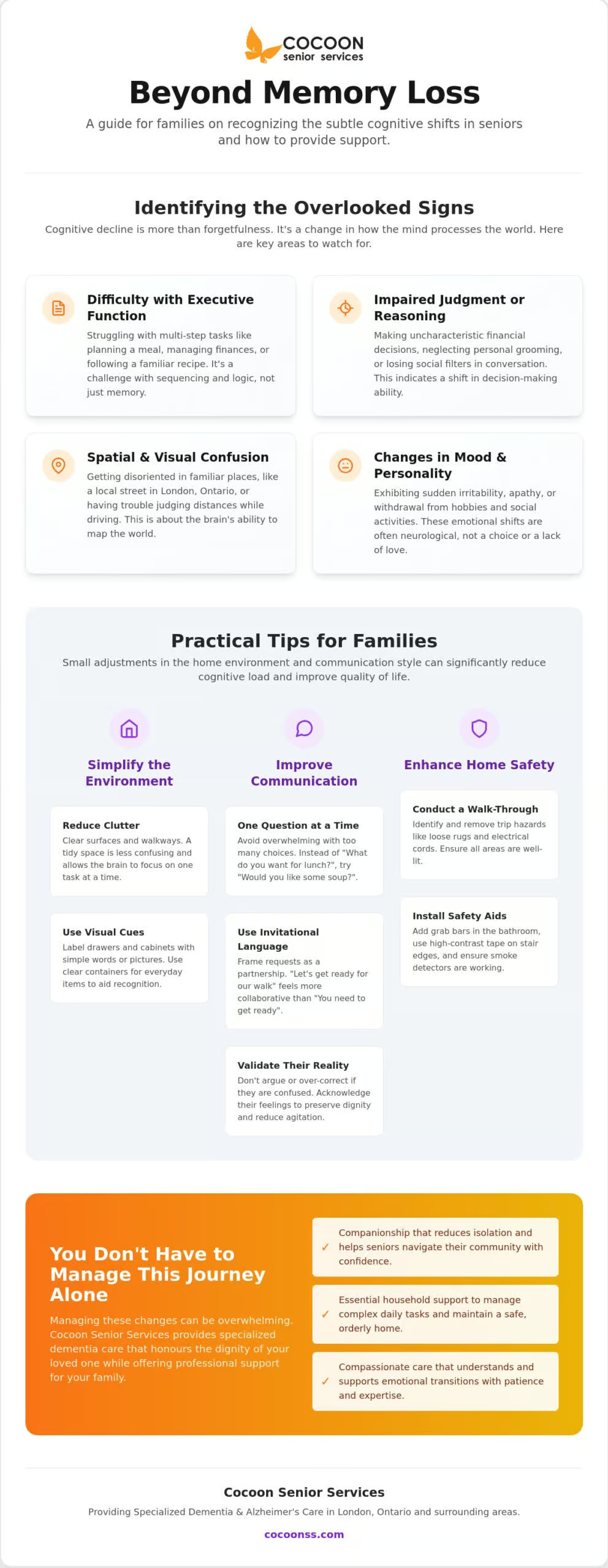
Specialized Care with Cocoon Senior Services in London Ontario
Watching a loved one experience cognitive decline is a deeply personal journey. It requires more than just patience; it requires a specialized approach that honours the person behind the symptoms. Cocoon Senior Services stands as the premier provider of dementia and Alzheimer’s care in London and surrounding areas. We understand that Cognitive changes beyond memory loss: what families should know is about more than just safety. It’s about preserving the quality of life and the quiet joy found in the familiar corners of one’s own home.
Professional companionship is a vital tool in this process. Our team provides the social engagement necessary to stimulate cognitive function and reduce the heavy weight of isolation. By integrating professional support, seniors can remain in the comfort of their own homes longer. Families in London Ontario choose Cocoon because we provide the professional expertise that allows them to return to being daughters, sons, and spouses, rather than just caregivers.
Personalized Support for Every Stage
No two journeys with dementia are the same. Cocoon tailors every care plan to the specific cognitive needs identified by your family. We focus on maintaining independence through practical household support and meal preparation. Our caregivers provide gentle medication reminders and assistance with appointments, ensuring that the daily rhythm of life remains steady. This meticulous attention to detail ensures that your loved one feels supported, not managed.
Your Next Steps with Cocoon
The transition to professional care doesn’t have to be overwhelming. We invite you to a no-pressure consultation to discuss the specific changes you are seeing in your loved one. Understanding the value of senior home care services is essential for providing holistic wellness that addresses both physical and emotional needs. Let’s work together to create a plan that brings peace of mind to your family while providing the highest standard of care in London and surrounding areas.
Embracing a New Chapter of Care in London Ontario
The journey of supporting a loved one through cognitive decline is one of profound transition. It’s about finding beauty in the present while preparing for the future with grace. By acknowledging the Cognitive changes beyond memory loss: what families should know, you’ve already taken the most important step toward providing a higher quality of life. You now understand that these subtle shifts in judgment and executive function aren’t just obstacles; they’re calls for deeper, more specialized support.
Our certified dementia and Alzheimer’s care professionals are dedicated to preserving the independence of seniors in London Ontario and surrounding areas. We focus on the dignity of the individual, ensuring the home remains a place of calm and high-quality care. You don’t have to carry the weight of these behavioural changes alone. Our local expertise provides the peace of mind your family deserves.
We invite you to reach out and discover how our tailored support can transform your daily experience. Book a Professional Care Consultation with Cocoon Senior Services today. Together, we can create a plan that honours your loved one’s unique character and provides the professional expertise needed for a vibrant life at home. You’re not alone on this path.
Frequently Asked Questions
What are the first signs of cognitive decline besides memory loss?
The first signs often include a breakdown in executive function, such as struggling to manage a household budget or sequence the steps of a complex meal. You might also notice a decline in spatial awareness, where a loved one feels disoriented even in familiar parts of London Ontario. These subtle shifts in problem-solving and focus are key indicators that go beyond simple age-related forgetfulness.
Is it normal for seniors to become more impulsive or change their personality?
Personality changes and increased impulsivity are common symptoms of dementia where the brain’s social filters begin to fray. A senior might make uncharacteristic financial choices or speak more bluntly than they once did. Regarding Cognitive changes beyond memory loss: what families should know, it’s vital to recognize that these aren’t choices but neurological shifts requiring compassionate, specialized support.
How do I talk to my parent about cognitive changes without upsetting them?
Approach the conversation with empathy by using collaborative language and focusing on your desire to support their independence. Instead of pointing out specific mistakes, mention observations like, "I’ve noticed the household tasks are taking more energy lately; let’s look at some support together." Using a calm tone and validating their feelings helps preserve their dignity while opening the door to essential personal care or companionship.
Can professional home care in London Ontario help slow the impact of cognitive changes?
Professional care provides the social stimulation and structured routine that are essential for maintaining cognitive health and emotional stability. Cocoon Senior Services offers specialized dementia and Alzheimer’s care in London and surrounding areas, focusing on activities that engage the mind and reduce the anxiety of isolation. While care doesn’t stop the underlying condition, it significantly improves daily wellness and helps seniors remain safely at home.
Disclaimer
We aim to provide helpful guidance for seniors and families, but this content should not replace professional medical advice. Some links may be affiliate links, and we are not responsible for third-party content.