

Storytelling for Emotional Connection with Parents in London
You sit across from your mother in her quiet living room in London, Ontario, but the conversation feels heavy with the weight of care schedules. The woman who once shared every secret now seems distant, hidden behind the tasks of aging. It’s a frustrating shift. You want to be a child again, not just a manager. Learning how to use storytelling for emotional connection with aging parents allows you to reach beyond the routine. Many families in London and surrounding areas struggle with this loss of intimacy as roles reverse.
We believe maintaining a deep bond requires more than meeting physical needs. You’ll discover techniques to preserve your family legacy and reduce caregiver stress through meaningful interaction. By shifting the focus from chores to shared history, you can ensure your loved one’s dignity remains the centre of every conversation while Cocoon Senior Services supports the daily routine.
Key Takeaways
- Reframe repetitive stories as a vital way for your loved ones to anchor their identity and share enduring family values.
- Master how to use storytelling for emotional connection with aging parents through open-ended questions that explore their most formative life experiences.
- Create dedicated “connection blocks” to separate the logistics of care from the intimacy of shared history in London, Ontario and surrounding areas.
- Discover how professional companionship allows you to step back from housekeeping tasks and focus on preserving your parent’s unique legacy.
Why Aging Parents Repeat Stories: A Key to Emotional Connection
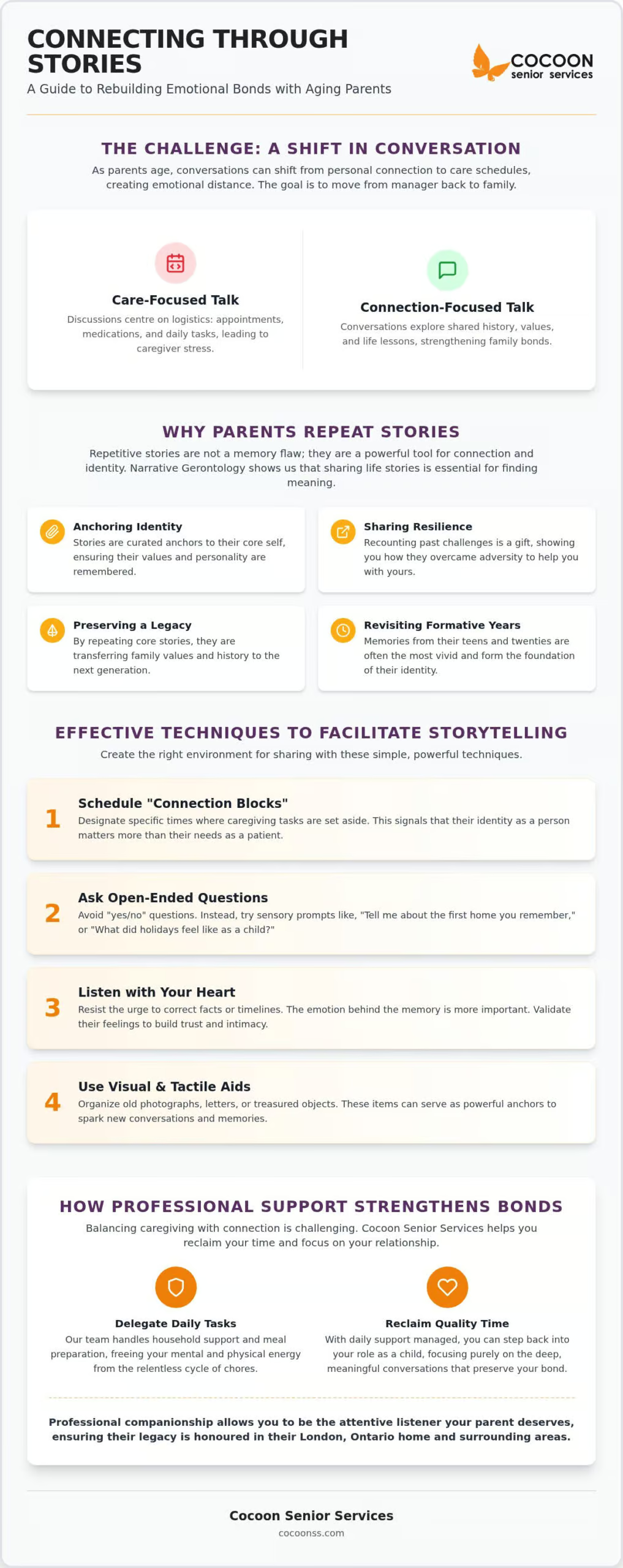
Hearing the same story about a summer in 1964 can feel tedious while sitting in a kitchen in London, Ontario. However, understanding how to use storytelling for emotional connection with aging parents begins with a shift in perspective. These repetitions aren’t merely glitches in memory. They’re curated anchors. In the field of Narrative Gerontology, we see that sharing life stories is essential for finding meaning, even when navigating the complexities of dementia. Your parent is likely sharing these specific moments because they contain the essence of who they are. It’s their way of ensuring their core values survive the test of time.
Research often highlights that memories from a person’s teens and twenties remain the most vivid. This period forms the bedrock of their adult identity. When your parent recounts these years, they’re inviting you to see the foundation of their resilience. These stories are gifts. They’re often told to help you navigate your own life challenges by showing how they overcame theirs. Recognizing this intent transforms a repetitive conversation into an act of deep connection.
Identifying the Core Stories of Your Family History
To capture these moments, focus on the lesson learned in the narrative rather than the factual accuracy of the timeline. It doesn’t matter if the event happened in June or July. What matters is the recurring theme of resilience, humour during hard times, or family loyalty. By documenting these patterns, you preserve a legacy that transcends dates. Cocoon Senior Services provides professional companionship that creates the necessary space for these exchanges in London, Ontario and surrounding areas.
Effective Techniques to Facilitate Storytelling at Home
Creating a space for sharing starts with scheduling “connection blocks.” These are dedicated times when you set aside caregiving tasks like meal prep or housekeeping. By focusing entirely on the person rather than the patient, you signal that their identity matters more than their immediate needs. Understanding how to use storytelling for emotional connection with aging parents often requires this intentional shift in focus. It allows for a deeper level of intimacy that daily chores often obscure.
Open-ended prompts are your best tools for sparking fresh memories. Avoid “yes” or “no” questions. Instead, try asking, “Tell me about the first time you realized you were an adult,” or “What did your first home in London, Ontario smell like?” These sensory questions bypass the standard narrative. According to research from Queen’s University, this process helps seniors transfer their values to younger generations, reinforcing their sense of purpose and worth.
Listen with your heart, not just your ears. When details seem incorrect, resist the urge to correct the timeline. Validating the emotions behind the story is far more important than factual accuracy. If you find your schedule is too full to provide this focused time, professional companionship services can help by managing daily support while you focus on the bond.
Using Visual Aids and Modern Tools to Anchor Memories
Tactile objects often serve as powerful anchors. Organize old photographs, letters, or even a piece of vintage fabric to provide a visual centre for your talks. You can also use digital recording tools to preserve these narratives for future generations. For more ideas on engaging with seniors, you can explore Cocoon’s YouTube channel for visual inspiration on senior engagement in London and surrounding areas.
Strengthening Bonds Through Shared History and Professional Support
The transition from being a child to a primary caregiver is often emotionally heavy. It’s a role reversal that can feel draining for everyone involved. Storytelling helps reclaim the traditional parent-child hierarchy. When you listen to their history, you become the student again. This simple act restores their dignity and sense of authority. Research from the Benjamin Rose Institute on Aging suggests that reminiscence improves the well-being of both the senior and the caregiver. It reduces daily stress by shifting the focus from medical needs back to the human connection that defines your family.
Caregiver burnout often stems from the relentless cycle of physical tasks. You can’t truly focus on how to use storytelling for emotional connection with aging parents if your mind is preoccupied with laundry or medication schedules. Balancing these demands is vital for your own mental health. By delegating physical care, you buy back the quality time required for the deep, soul-nourishing conversations that preserve a legacy.
How Professional Companionship Supports Family Connections
Choosing senior home care services in London, Ontario allows you to step away from the exhausting role of household manager. Cocoon Senior Services provides essential household support and meal preparation, ensuring the home remains a place of peace. This leaves you free to be the attentive listener your parent deserves. A professional caregiver also provides a fresh, engaged audience for your parent’s narratives. They listen to those cherished memories with new ears, which significantly boosts cognitive engagement and social confidence for seniors throughout London and surrounding areas.
Preserving Your Family Legacy Today
Sharing stories is more than a pastime. It’s an act of love. By reframing repeated memories as gifts, you create a space where your parent’s identity thrives. Mastering how to use storytelling for emotional connection with aging parents allows you to move past the stress of care tasks. You can be a child again. Cocoon Senior Services is here to help you find that balance. Our certified dementia and Alzheimer’s care professionals provide personalized companionship tailored to families in London, Ontario. We focus on holistic well-being and dignity. We handle the household support so you can focus on the history that binds you together. Contact Cocoon Senior Services for a free consultation in London, Ontario. Your parent’s stories are a treasure. We’ll help you find the time to listen.
Frequently Asked Questions
How do I handle it when my parent tells the same story for the third time in an hour?
Listen with patience and focus on the feeling the story evokes rather than the facts. Repetition is often a way for seniors to feel safe and heard. Instead of pointing out they’ve told it before, try asking a follow-up question about a specific detail. This helps them feel valued while gently steering the conversation toward a new aspect of their history.
Can storytelling help a parent with early-stage dementia or Alzheimer’s?
Storytelling is a powerful non-pharmacological tool for those with cognitive decline. It taps into long-term memories that often remain intact longer than recent ones. This process can reduce anxiety and improve self-worth. Cocoon Senior Services specializes in dementia and Alzheimer’s care, helping families understand how to use storytelling for emotional connection with aging parents to maintain their dignity throughout the journey.
What are the best questions to ask to get my aging parent talking about their past?
Focus on sensory details and significant life transitions to spark vivid memories. Ask questions like “What did your grandmother’s kitchen smell like?” or “What was the most adventurous thing you did in your twenties?” These prompts encourage descriptive responses. Learning how to use storytelling for emotional connection with aging parents is most effective when you explore the emotions behind their formative experiences.
Is professional companionship available for seniors in London and surrounding areas?
Cocoon Senior Services provides professional companionship and personal care throughout London, Ontario and surrounding areas. Our services are designed to alleviate the burden of daily chores, allowing you to focus on your relationship. Whether your loved one needs help with meal preparation or simply a fresh audience for their cherished stories, our local team supports their independence and your peace of mind.
Disclaimer
We aim to provide helpful guidance for seniors and families, but this content should not replace professional medical advice. Some links may be affiliate links, and we are not responsible for third-party content.