

Senior Nutrition Deficiency Signs: London & St Thomas Guide
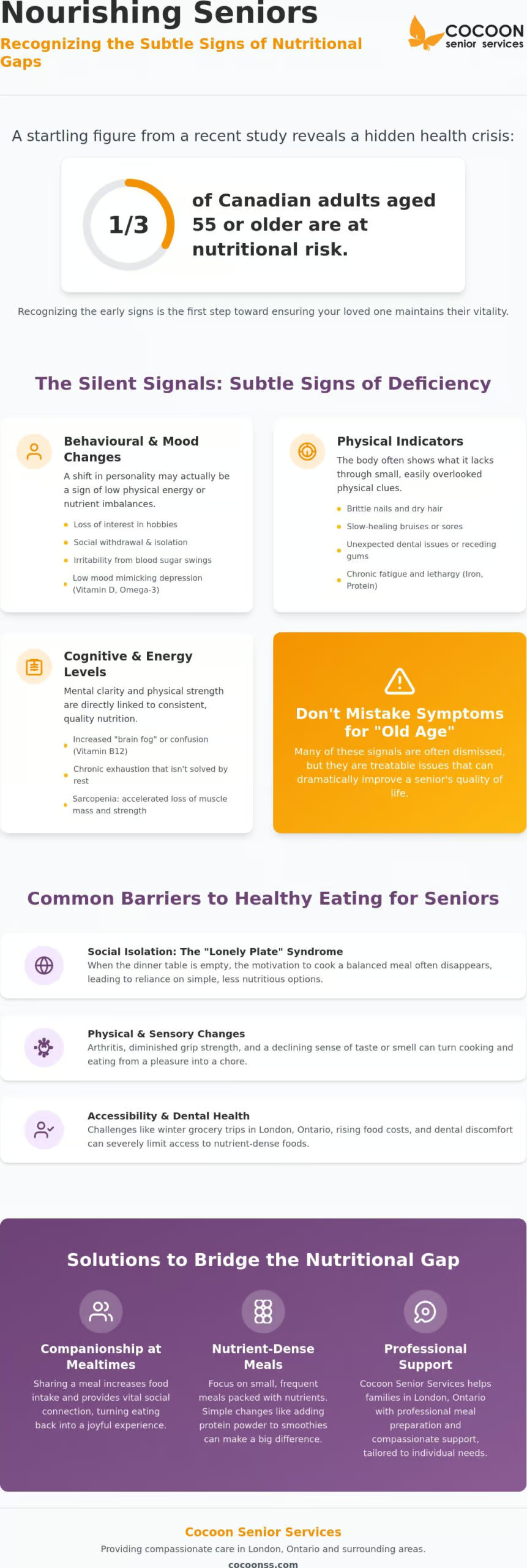
Did you know that one-third of Canadian adults aged 55 or older are currently at nutritional risk? It’s a startling figure from a 2025 study that reminds us how easily health can slip away when the kitchen feels overwhelming or the dinner table feels lonely. Recognizing Nutrition deficiencies in seniors: subtle signs and solutions is the first step toward ensuring your loved one maintains their vitality. Often, the red flags aren’t obvious. They’re hidden in a fridge full of expired milk or a sudden lack of interest in a once-favourite hobby.
We understand the quiet worry that comes with watching a parent lose weight or hearing them say they just aren’t hungry. It’s frustrating to navigate conflicting advice while trying to respect their independence. This article provides a clear checklist of signs to watch for and actionable ways to improve a senior’s diet without causing conflict. You’ll discover how Cocoon Senior Services uses professional meal preparation and household support to bridge these nutritional gaps. We’ll explore how to bring back the joy of eating through simple, high-quality changes that prioritize both health and dignity for those living in London Ontario.
Key Takeaways
- Learn to identify behavioural changes, such as social withdrawal or a loss of interest in hobbies, which often signal a deeper nutritional gap.
- Explore 9. Nutrition deficiencies in seniors: subtle signs and solutions that address common physical barriers like arthritis or the challenges of cooking for one.
- Discover how companionship during mealtime can increase food intake and why social connection is as vital as the food on the plate.
- Get practical tips on increasing nutrient density with small, frequent meals that are easy to prepare and digest.
- See how Cocoon Senior Services supports families in London Ontario and surrounding areas through professional meal preparation and compassionate household support.
The Silent Signals: Identifying Subtle Nutrition Deficiencies in Seniors
Many families in London Ontario notice a parent becoming quieter or less active and assume it’s simply a part of the aging process. However, Undernutrition in older adults is frequently masked by these "normal" shifts. When exploring Nutrition deficiencies in seniors: subtle signs and solutions, it’s vital to recognize that a sudden loss of interest in long-held hobbies or a withdrawal from social circles can stem from a lack of physical energy rather than a change in personality. These behavioral changes are often the body’s way of conserving limited resources.
To better understand these physical and internal shifts, watch this helpful video:
Physical indicators often hide in plain sight. You might notice brittle nails that crack easily, slow-healing bruises from minor bumps, or unexpected dental issues like receding gums. These aren’t just cosmetic concerns; they’re signals that the body lacks the building blocks for repair. Similarly, increased "brain fog" or confusion is often a direct result of Vitamin B12 deficiency. This is particularly common in seniors because the body becomes less efficient at absorbing this essential nutrient as we age, leading to cognitive symptoms that are easily mistaken for early dementia.
The Connection Between Mood and Micronutrients
A senior’s emotional well-being is deeply tied to their plate. Low levels of Vitamin D and Omega-3 fatty acids can mimic symptoms of depression, leading to a heavy, low-energy mood that feels impossible to shake. Even irritability can be a physical signal, often caused by fluctuating blood sugar or chronic dehydration. Ensuring consistent, high-quality nourishment helps stabilize these emotional peaks and valleys, restoring a sense of inner peace.
When Fatigue Becomes a Warning Sign
It’s easy to dismiss lethargy as being "tired from the day," but chronic exhaustion often points to gaps in iron or protein intake. Sarcopenia is the progressive loss of skeletal muscle mass and strength that typically accelerates in adults over 70 when protein consumption fails to meet the body’s maintenance needs. Addressing these gaps early through professional meal preparation helps preserve independence and physical strength, making daily movements feel effortless once again.
Common Barriers to Healthy Eating for Seniors in London, Ontario
Eating is fundamentally a social act. When a spouse passes or children move away, the motivation to prepare a complete, balanced meal often vanishes. This "Lonely Plate" syndrome is a significant factor in London Ontario and surrounding areas, where social isolation frequently leads to skipping meals or relying on simple tea and toast. When the table feels empty, the effort required to cook seems unjustified. This emotional barrier is a primary reason why we must look closer at Nutrition deficiencies in seniors: subtle signs and solutions that prioritize connection alongside calories.
Physical limitations also transform the kitchen from a place of creativity into one of frustration. Arthritis or diminished grip strength makes simple tasks like peeling a potato or opening a jar feel impossible. Sensory changes further complicate matters. As taste buds and the sense of smell decline with age, food can begin to taste bland or unappealing. If eating no longer provides pleasure, it’s natural for a senior to lose interest in mealtime altogether. For those living with early-stage dementia, the cognitive load of planning a menu and following a recipe can become an insurmountable hurdle.
Financial and Accessibility Hurdles
Winter months in London Ontario present unique challenges for grocery shopping. Navigating icy sidewalks or waiting for transit in freezing temperatures is a genuine safety risk for those with limited mobility. These environmental factors, combined with the rising cost of fresh produce across Canada, often force seniors to choose shelf-stable, processed options over nutrient-dense whole foods. Finding practical solutions for healthy eating often requires a community-based approach to ensure fresh ingredients remain accessible year-round.
Dental Health and Swallowing Difficulties
Dental discomfort or ill-fitting dentures often cause seniors to avoid essential food groups like fibre-rich vegetables or lean meats. This avoidance creates significant gaps in their daily intake. Modifying textures is a helpful way to overcome this. Softening vegetables or mincing proteins ensures the meal remains vibrant and nutritious without causing pain. If you notice your loved one struggling with the physical act of eating, Cocoon Senior Services provides supportive meal preparation tailored to these specific needs, ensuring every meal is both safe and satisfying.
Practical Solutions: How to Restore Nutritional Balance at Home
Restoring balance doesn’t require a clinical overhaul of your loved one’s kitchen. It starts with small, thoughtful adjustments that prioritize quality over quantity. When addressing Nutrition deficiencies in seniors: subtle signs and solutions, the focus should shift toward nutrient density. Instead of overwhelming a senior with a large dinner, offer small, frequent meals packed with healthy fats and proteins. Incorporating Healthy meal planning tips, such as adding avocado to toast or protein powder to a morning muffin, ensures every bite supports their physical strength.
Companionship is perhaps the most underrated tool in nutritional health. Studies show that seniors often eat up to 30% more when they have someone to talk to at the table. The presence of another person transforms a chore into a social event, naturally encouraging them to linger over their meal. Safety and ease of use are also vital. Organize the kitchen so that healthy snacks are at eye level and heavy pots are replaced with lightweight alternatives, making independent snacking feel effortless and safe.
How Cocoon Senior Services Supports Healthy Aging
Our meal preparation services in London Ontario are designed around the individual. We don’t just follow a generic plan; we focus on fresh, preferred flavours and specific nutritional needs to solve 9. Nutrition deficiencies in seniors: subtle signs and solutions. Our caregivers provide more than just a prepared plate. They offer the social stimulation and conversation that makes mealtime a highlight of the day. To learn more about how we integrate nutrition into daily life, explore our Senior Home Care Services in London, Ontario.
Tips for Family Caregivers to Encourage Better Habits
Consistency is key to preventing dehydration and fatigue. Use simple reminder services or phone alarms to prompt regular hydration and snack times throughout the day. It’s also helpful to involve seniors in the menu-planning process. Giving them a sense of control over what they eat fosters interest and dignity. For more ideas on maintaining vitality, check out our guide on Senior Wellness Programs in London, Ontario.
Bringing Vitality Back to the Table
Nourishment is about more than just vitamins. It’s about the security of a well-prepared meal and the warmth of a shared conversation. By understanding Nutrition deficiencies in seniors: subtle signs and solutions, you can help your loved one regain their physical strength and their spirit. We’ve seen how small shifts in mood or physical health often point to deeper nutritional needs. Addressing these gaps early isn’t just about food; it’s about restoring a sense of internal peace and independence within the home.
Cocoon Senior Services provides professional meal preparation tailored to unique dietary needs and personal tastes. Our London Ontario-based caregivers focus on holistic well-being, ensuring that social connection is as much a priority as the nutrition itself. We help families move past the frustration of mealtime conflict toward a place of health and harmony. Take the first step toward better health today. Contact Cocoon Senior Services for a free consultation on meal preparation and home care in London Ontario. Every senior deserves to feel supported, nourished, and truly at home.
Frequently Asked Questions
What are the most common vitamin deficiencies in Canadian seniors?
Canadian seniors are most frequently deficient in Vitamin B12, Vitamin D, and iron. A 2022 study found that up to 13% of healthy older adults lack sufficient B12, often because the body’s ability to absorb this nutrient decreases with age. Vitamin D is another significant concern, particularly during Ontario winters when limited sun exposure can impact bone health and immune function.
How can I tell if my parent is dehydrated if they say they aren’t thirsty?
Look for physical indicators such as dry mouth, dark-coloured urine, or sudden dizziness rather than relying on their sense of thirst. Thirst receptors often become less sensitive as we age, meaning many seniors don’t realize they need fluids until they feel fatigued or confused. Monitoring these subtle shifts is a key part of identifying 9. Nutrition deficiencies in seniors: subtle signs and solutions.
Does Cocoon Senior Services help with grocery shopping and meal planning in London, Ontario?
Yes, Cocoon Senior Services provides comprehensive household support and meal preparation for families in London Ontario and surrounding areas. Our team manages the cognitive load of meal planning and the physical effort of grocery shopping. We focus on creating fresh, nutrient-dense meals that align with personal preferences, ensuring your loved one enjoys high-quality nourishment without the stress of navigating a kitchen or icy sidewalks.
What should I do if my parent refuses to eat healthy food?
Focus on enhancing natural flavours and providing social connection rather than engaging in a conflict over specific ingredients. Often, a refusal to eat is linked to sensory changes or the isolation of eating alone. Involving a caregiver from Cocoon Senior Services can help, as the presence of a companion often encourages seniors to eat more. Nutrition deficiencies in seniors: subtle signs and solutions by making healthy meals a dignified, pleasurable experience.
Disclaimer
We aim to provide helpful guidance for seniors and families, but this content should not replace professional medical advice. Some links may be affiliate links, and we are not responsible for third-party content.