

What to Do When a Parent is Discharged from Hospital but Can’t Cope: A 2026 Checklist
In early 2026, patients each day remained in hospitals despite being medically fit for discharge, often because the path home felt too steep to climb alone. It’s a heavy realization when you see your parent ready to leave the ward but clearly unable to manage the stairs or their own medications. You likely feel a mix of relief and deep anxiety, wondering how you’ll bridge the gap between clinical care and the quiet comfort of home. Understanding exactly what to do when parent is discharged from hospital but can’t cope is the essential first step toward restoring their independence and your own peace of mind.
At Cocoon Senior Services, we believe every transition should feel like a gentle return to grace rather than a chaotic scramble. This guide provides a comprehensive checklist designed to navigate those first critical days with confidence. We’ll walk you through securing professional personal care in London and surrounding areas, preventing hospital-acquired deconditioning, and creating a structured plan that prioritizes safety. You’ll gain a clear roadmap to reduce your stress and ensure your parent is truly cared for in the place they love most.
Key Takeaways
- Secure a written discharge plan and reconcile all medications to prevent dangerous interactions before your parent leaves the hospital ward.
- Establish a dedicated recovery zone and clear all walking paths to minimize fall risks during the critical first 72 hours at home.
- Learn exactly what to do when parent is discharged from hospital but can’t cope by following a structured checklist that ensures safety and emotional peace.
- Discover how Cocoon Senior Services provides professional personal care in London and surrounding areas to support dignified daily living and hygiene.
- Recognize the early signs of caregiver burnout to ensure the support system you build remains sustainable and healthy for the whole family.
Essential Steps Before Leaving the Hospital: The Discharge Planning Checklist
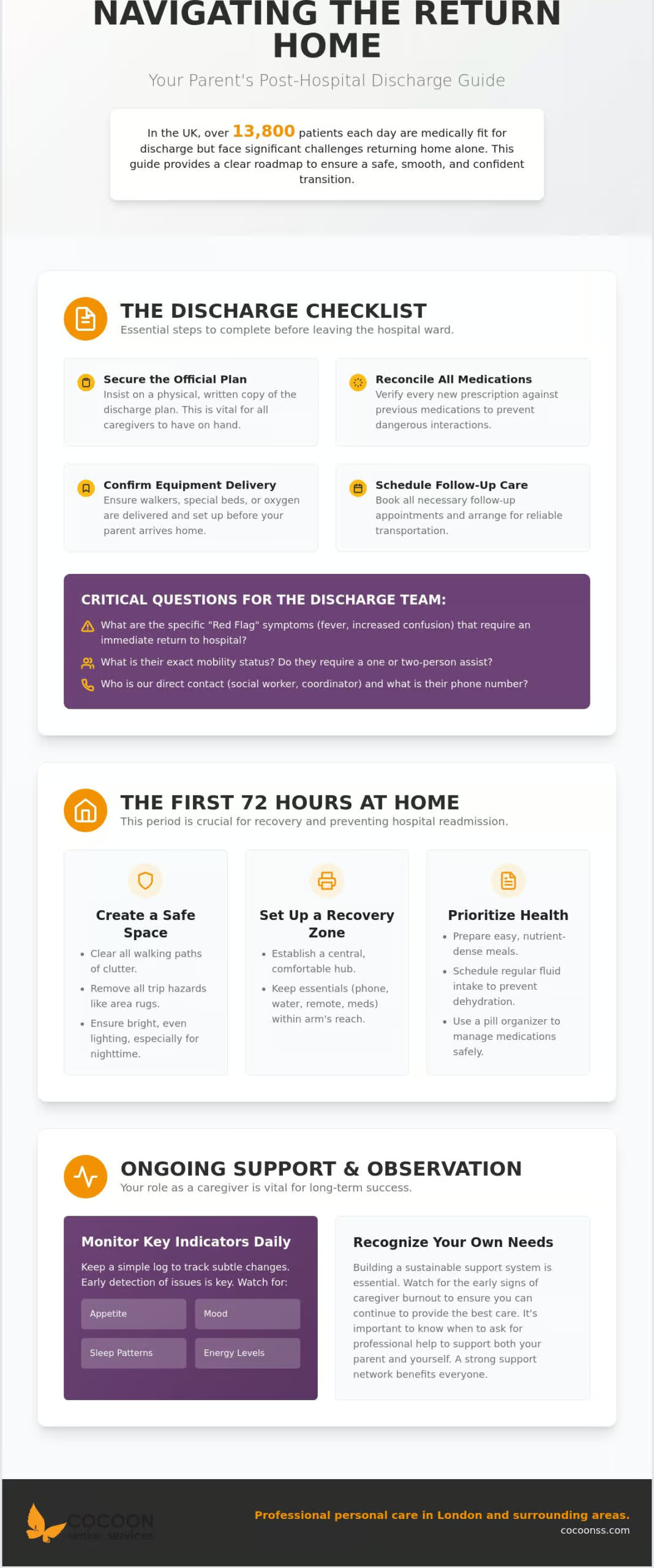
The transition begins long before the car pulls up to the hospital entrance. It’s a delicate time. Clarity is your best ally when figuring out what to do when parent is discharged from hospital but can’t cope. Planning for patient discharge ensures that the medical team’s hard work isn’t lost during the journey home. You must insist on a physical copy of the written discharge plan. It should contain the diagnosis, treatment summary, and specific care instructions. While digital portals are helpful, a paper copy in the home ensures everyone, including visiting support from Cocoon Senior Services, stays informed.
Medication reconciliation is your next priority. Verify every new prescription against what your parent took before admission. This step prevents dangerous drug interactions or missed doses that often lead to readmission. If the hospital suggests new equipment like walkers, specialized beds, or oxygen, confirm these items will be delivered to the home first. Cocoon can help families in London and surrounding areas coordinate these logistics so the house is ready. Finally, secure a follow-up appointment log. Knowing exactly when specialist visits occur and arranging transportation for the first week removes a significant layer of anxiety.
Key Questions for the Hospital Discharge Team
Ask specifically about "Red Flags." You need to know which symptoms, such as a sudden fever, increased confusion, or shortness of breath, require an immediate return to the emergency room. Understanding what to do when parent is discharged from hospital but can’t cope means knowing when the situation has moved beyond home care. You should also verify their mobility status. Confirm if they can transition from a bed to a chair independently or if they now require a two-person assist for safety.
The Final Walk-Through
Before leaving the ward, write a single sentence summarizing your parent’s current cognitive and physical baseline. This snapshot is invaluable for future caregivers who didn’t see them before the illness. Ensure you have the direct phone number for the hospital unit’s social worker or discharge coordinator. Having a direct line of communication provides a safety net if questions arise after you settle back into the quiet of home.
Preparing for the First 72 Hours: A Home Safety and Medication Checklist
The first 72 hours at home are the most delicate. This period often reveals the true extent of hospital-acquired deconditioning, where muscle strength and mobility have faded during the stay. You might feel a sudden weight of responsibility as you learn exactly what to do when parent is discharged from hospital but can’t cope. Success lies in quiet preparation and a focus on the home as a place of recovery. Start by fall-proofing the living space. Remove all area rugs, as they are significant trip hazards. Clear the walking paths of any clutter. Ensure every corner is bathed in light. Nighttime navigation must be effortless and safe.
Next, establish a recovery zone. This is a central hub where your parent spends most of their time. Place the phone, water, remote, and medications within arm’s reach to minimize the need for exhausting movement. Nutrition and hydration are equally critical. Prepare nutrient-dense meals that are easy to reheat and set a strict schedule for water intake. Post-hospital dehydration is a common reason for readmission. For medication management, use a pill organizer or a digital log. Automatic pill dispensers, provide an extra layer of safety for complex schedules.
Safety Modifications You Can Do Today
Focus on the high-risk areas immediately. Install temporary grab bars in the bathroom and ensure a non-slip mat is firmly in place in the shower. These small changes create a sense of physical security and peace. Check that all stairs have secure handrails and that your parent has supportive, non-slip footwear. These practical steps are detailed in A Guide for Families and Caregivers, which highlights the caregiver’s vital role in the home environment.
Monitoring the Transition
Keep a simple daily log to track appetite, mood, and sleep patterns. Subtle declines often signal a need for more support before a crisis occurs. If you notice a persistent lack of energy or confusion, these might be Signs Your Parent Needs In-Home Care. Early intervention ensures they stay safe and comfortable. If the physical demands become too much for you to manage alone, Cocoon offers professional personal care and companionship in London and surrounding areas. You can learn more about our approach on our Facebook page, where we share tips for maintaining a calm home environment.
Evaluating Long-Term Solutions: Professional Care in London and surrounding areas
The journey home is often a marathon, not a sprint. While the initial days focus on immediate safety, the weeks that follow demand a sustainable pace for the entire family. It’s common to feel a sense of overwhelming responsibility. If you find yourself unable to sleep or feeling a constant weight of dread, it is a clear sign that the current care plan needs adjustment. Admitting you need help isn’t a failure. It is an act of love. Knowing what to do when parent is discharged from hospital but can’t cope involves recognizing when professional support is required to maintain the quality of life your parent deserves.
Professional personal care allows you to step back from the role of a clinical provider and return to being a supportive family member. Cocoon Senior Services offers dignified assistance with bathing, dressing, and hygiene during the recovery phase. We handle the heavy lifting of daily routines so the home remains a place of peace. Additionally, our team provides household and meal support. By reducing the burden of housekeeping and meal preparation, we ensure your parent receives proper nutrition without the stress of chores. Respite care serves as a vital bridge, giving you the time needed to rest and recharge while knowing your loved one is safe.
Aligning with government hospital discharge guidance ensures that the transition from ward to home is managed with professional oversight. This guidance emphasizes the importance of community support in preventing a return to the hospital. By integrating professional care early, you create a protective environment that fosters true healing.
How Cocoon Senior Services Bridges the Gap
Cocoon provides more than just physical help. We offer medication reminders and companionship to ensure your parent never feels isolated during their recovery. Our team is trained to provide specialized support for those recovering from complex surgeries or those living with dementia. We focus on the small details that create a sense of security and emotional well-being in London Ontario and surrounding areas.
Creating a Sustainable Care Plan
Every family has a unique story. We offer a free care consultation to tailor our services to your specific situation, ensuring a perfect fit for your parent’s needs. This plan evolves as they regain their strength. For more insights into managing this transition, watch our Caregiver Support Videos. These resources offer practical tips to help you find balance and ensure your parent is beautifully cared for at home.
Restoring Peace and Independence at Home
Navigating the return from a hospital ward requires more than just physical preparation. It demands a shift in focus toward long-term stability and emotional well-being. By securing a detailed discharge plan and establishing a safe recovery zone, you provide your parent with the foundation they need to heal. Recognizing the signs of caregiver burnout early is equally vital. It ensures that the support you provide remains a source of comfort rather than a cause of exhaustion.
Understanding exactly what to do when parent is discharged from hospital but can’t cope is about building a bridge between clinical care and the quiet dignity of home life. Cocoon Senior Services, founded by a certified dementia care professional, offers tailored support for families in London and surrounding areas. We focus on maintaining independence through personal care and companionship. You deserve to feel confident and supported during this transition.
Take the first step toward a more sustainable and peaceful recovery plan today. Request a Free Care Consultation with Cocoon Senior Services and discover how we can help your family find balance. You have the strength to guide them home, and we are here to walk beside you.
Frequently Asked Questions
Can I refuse a hospital discharge if I feel my parent is not ready?
You have the right to challenge a discharge if you believe the transition home is unsafe. Speak with the hospital discharge coordinator or the Patient Advice and Liaison Service immediately to express your concerns. If you have a specific safeguarding concern about what to do when parent is discharged from hospital but can’t cope, the local authority has a legal duty to reassess the situation to ensure your parent is not at risk.
Who is responsible for arranging home care after a hospital stay?
The hospital discharge team is responsible for coordinating the initial support plan before your parent leaves the ward. This often includes arranging a free reablement service for up to six weeks to help them regain independence. For long-term needs, the local council or health authority will conduct a means-tested assessment. Many families in London and surrounding areas also choose to secure private personal care through Cocoon to ensure consistent, high-quality support.
What is the most common reason for hospital readmission in seniors?
Medication errors and falls are the most frequent causes of readmission within the first 30 days of returning home. Hospital-acquired deconditioning often leads to a significant loss of muscle strength, which increases the risk of accidents. Ensuring a structured medication log and removing household hazards like area rugs are the most effective ways to prevent a return to the hospital. A clear plan for the first 72 hours is essential for safety.
How do I know if my parent needs professional help or just more rest?
If your parent cannot manage basic hygiene, dressing, or meal preparation independently, they likely require professional assistance rather than just rest. Fatigue is normal after a hospital stay, but an inability to perform daily activities indicates that they aren’t coping with the transition. Cocoon Senior Services offers a free consultation to help families in London and surrounding areas determine the appropriate level of support needed to maintain dignity and safety at home.
Disclaimer
We aim to provide helpful guidance for seniors and families, but this content should not replace professional medical advice. Some links may be affiliate links, and we are not responsible for third-party content.