
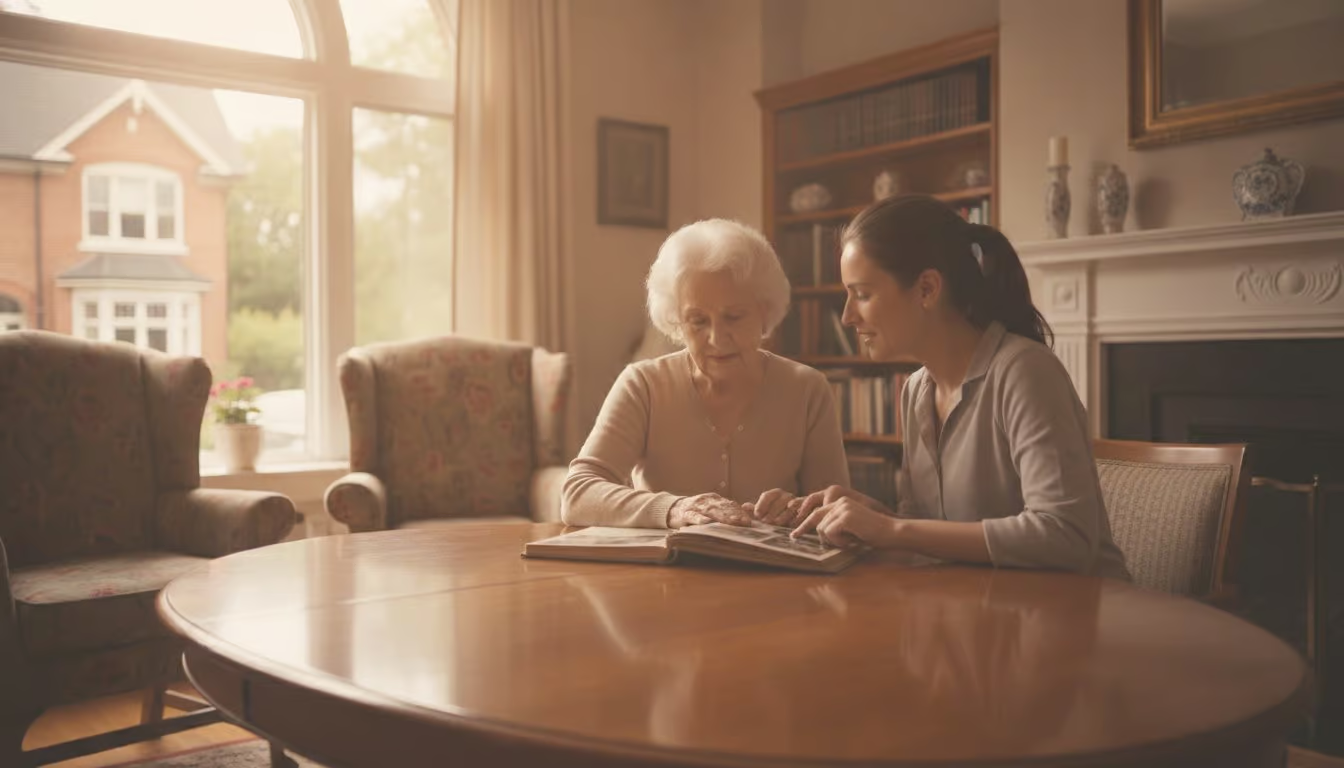
Early Signs of Dementia: A Guide for London Families
You noticed it during a quiet afternoon tea in London and surrounding areas. A pause that lasted a second too long. A familiar word that suddenly felt out of reach. These moments often spark a quiet fear, making you wonder if you’re seeing the dementia first signs or simply the natural slowing of time. It’s a heavy realization to carry alone. You might feel a surge of guilt for even noticing, or perhaps you’re already feeling the weight of early-stage caregiving.
We believe home is a place of history and heart. It’s where memories live in the grain of the furniture and the soft light of the window. You don’t have to navigate this transition without a map. This guide identifies the early indicators of cognitive decline and shows you how to support your loved one’s independence at home. We’ll cover the specific symptoms to watch for, actionable steps for home safety, and how Cocoon Senior Services offers the specialized care your family deserves. You can move forward with confidence, knowing that professional support can restore a sense of peace to your daily life.
Key Takeaways
- Learn to identify the subtle shifts in memory and problem-solving that distinguish dementia first signs from the occasional forgetfulness of natural aging.
- Gain clarity on the difference between typical age-related changes and persistent shifts in judgment or daily grooming habits.
- Discover practical ways to simplify the home environment in London and surrounding areas to preserve your loved one’s dignity and independence.
- Understand how implementing medication reminders and reducing household clutter can create a safer, more predictable daily routine.
- Explore how specialized companionship and professional support from Cocoon can ease the emotional weight of early-stage caregiving.
10 Early Warning Signs of Dementia to Watch For
Home is a place of comfort and history. When the familiar starts to feel foreign, it’s often the dementia first signs making themselves known. This transition isn’t just about forgetting where the keys are. It’s a disruption of a lifetime of habits and the quiet ease of daily life. You might notice your parent forgetting recently learned information or missing important family dates they once cherished. For a deeper understanding of these neurological changes, this Comprehensive guide to dementia provides a foundational look at how the condition develops.
To better understand these changes, watch this helpful video:

Challenges often extend to logic and spatial awareness. Following a familiar recipe or managing monthly bills can become overwhelming hurdles. Tasks that were once second nature, like using the microwave or finding the way to a local shop in London and surrounding areas, may suddenly feel complex. This confusion often ripples into their sense of time. The passage of seasons or the date on the calendar can feel untethered from reality, leading to a sense of disorientation in their own living room.
Subtle Changes in Communication and Social Interaction
The flow of a group conversation can become difficult to follow. Your loved one might struggle to find the right words or simply stop talking mid-sentence, lost in the search for a thought. You may see them withdrawing from the hobbies and social circles they once loved. Cocoon Senior Services uses companionship to bridge these social gaps, providing a gentle presence that encourages engagement without pressure.
Shifts in Mood and Personality
A person’s inner world can shift significantly during the early stages. You might observe increased confusion, suspicion, or anxiety, even in the safety of a familiar environment. These dementia first signs often manifest as irritability when a long-standing routine is disrupted. A late lunch or a moved chair can trigger a level of upset that seems disproportionate, reflecting the internal struggle to maintain a sense of order and safety.
Distinguishing Between Typical Aging and Cognitive Decline
Understanding the difference between a senior moment and dementia first signs requires a gentle, observant eye. We all forget a name occasionally. It’s common to miss an appointment only to remember it a few hours later. This is simply the mind’s natural pace as we age. True cognitive decline feels different. It’s the persistent inability to retrace one’s steps to find a lost item or the total disappearance of a once-familiar face from memory. It’s a shift from an occasional lapse to a consistent pattern that alters the texture of daily life.
Before jumping to conclusions, a professional assessment is vital. Sometimes, symptoms that mirror cognitive decline are actually caused by treatable issues. A Vitamin B12 deficiency or a minor infection can often cause temporary confusion. Consulting the UK government’s guide to dementia signs can provide you with additional clarity before speaking with a professional. Ruling out reversible conditions ensures your loved one receives the exact care they need without unnecessary worry.
The Role of Judgment and Problem Solving
The nuance lies in the complexity of the task. Making a mathematical error on a single utility bill is a typical mistake. However, a sudden inability to manage a monthly budget or understand the concept of money is a more significant indicator. You might also notice a quiet decline in personal hygiene. Choosing inappropriate clothing for the weather or neglecting grooming routines are often the first visible signals that the mind is struggling to process the environment. These changes aren’t about laziness; they’re about a loss of the cognitive tools required for self-care.
When to Seek Professional Guidance
Initiating a conversation about health should always be done with grace and patience. Schedule a quiet time to talk with a family physician in London and surrounding areas to discuss your observations. Early intervention opens doors to support that preserves dignity. Engaging in senior wellness programs can also provide holistic support for cognitive health and emotional well-being. If you feel overwhelmed by these changes, the team at Cocoon is here to offer the compassionate guidance your family needs during this transition.

Practical Steps for Supporting a Loved One at Home
Home remains the heart of a person’s story. When you recognize the dementia first signs, the focus shifts toward preserving the quiet beauty of that environment. Simplifying daily tasks and reducing physical clutter can significantly lower the cognitive load on your loved one. It’s about creating an atmosphere where they feel capable and secure. Clear pathways and organized spaces aren’t just practical; they offer a sense of calm in a world that might feel increasingly complex. For a deeper look at specific behavioral changes, these Dementia symptoms explained by government resources can guide your observations.
Maintaining health stability is a delicate balance. Medication reminders allow for safety without stripping away a senior’s sense of autonomy. It ensures they stay on track with their wellness while remaining the lead character in their own life. As conditions progress, the value of professional dementia and Alzheimer’s care becomes clear. Cocoon provides specialized support that breathes with the family, adapting gracefully as needs evolve.
Enhancing Safety and Comfort at Home
Practical support often starts in the kitchen and the living room. Professional assistance with meal preparation and housekeeping ensures the home remains a place of nourishment and order. By establishing a predictable daily routine, you can minimize the anxiety that often accompanies memory loss. Consistency is a gift that provides a steady foundation for the day. It allows your loved one to move through their space with a sense of familiarity and ease.
Supporting the Family Caregiver
Caring for a loved one is a journey of deep love, but it shouldn’t be a journey of exhaustion. Respite care is a necessity, not a luxury. It prevents caregiver burnout and ensures that the senior remains safe in expert hands. Cocoon Senior Services acts as a dedicated partner for families in London and surrounding areas. We provide the expertise and warmth required to maintain a high quality of life for everyone involved, ensuring you have the time to simply be a daughter, son, or spouse again.
Moving Forward with Grace and Support
Recognition is the first step toward a life of refined support. Identifying the dementia first signs allows your family to move from uncertainty to a place of prepared calm. We’ve seen how distinguishing between typical aging and cognitive decline provides the clarity needed to make informed decisions about home safety and daily routines. These small, intentional changes preserve the comfort of the environment your loved one has built over a lifetime.
Choosing a partner in care means choosing a future where dignity remains the focus. Our certified dementia and Alzheimer’s care professionals develop personalized support plans that honor the individual history of every senior in London and surrounding areas. We prioritize independence, ensuring that the home remains a place of peace rather than a source of stress. Discover how Cocoon Senior Services provides specialized care for your loved one and let us help you restore balance to your family life. You’re not just finding a service; you’re securing a path toward a gentler, more supported way of living.
Frequently Asked Questions
What is the very first sign of dementia usually noticed by families?
Short-term memory loss, specifically forgetting recently learned information, is often the most common early indicator observed by families. You might notice your loved one asking the same question multiple times within a single afternoon. It’s not just about a misplaced item; it’s about the inability to recall the context of a recent conversation. These subtle shifts often mark the arrival of dementia first signs in the home.
How do I talk to my parent about memory loss without upsetting them?
Start the conversation with empathy and observation rather than a diagnosis. Use “I” statements, such as “I’ve noticed you’ve been struggling with the grocery list lately,” to keep the focus on offering support. Choose a quiet, familiar setting in London and surrounding areas where they feel most at peace. Patience is key. Listening to their perspective helps maintain their dignity while you explore the next steps together.
Is it dementia or just normal old age memory lapses?
The primary difference lies in whether the memory lapse disrupts daily life and if the information is eventually recalled. Forgetting where you put your glasses is typical aging. Forgetting what those glasses are used for or failing to find them after retracing your steps indicates a deeper concern. When these lapses become a frequent barrier to independence, they are likely dementia first signs rather than simple age-related forgetfulness.
What should I do immediately if I notice early warning signs in a loved one?
Schedule an appointment with a family physician to rule out reversible causes like infections or nutritional deficiencies. Early intervention is vital for accessing the latest support frameworks and planning for the future. You don’t have to carry the weight of caregiving alone. Reaching out to Cocoon for specialized companionship or household support can provide the professional expertise needed to keep your loved one safe and comfortable at home.
Disclaimer
We aim to provide helpful guidance for seniors and families, but this content should not replace professional medical advice. Some links may be affiliate links, and we are not responsible for third-party content.