

Government Funded Home Care in Ontario vs. Private: A Guide for Families in London and Surrounding Areas
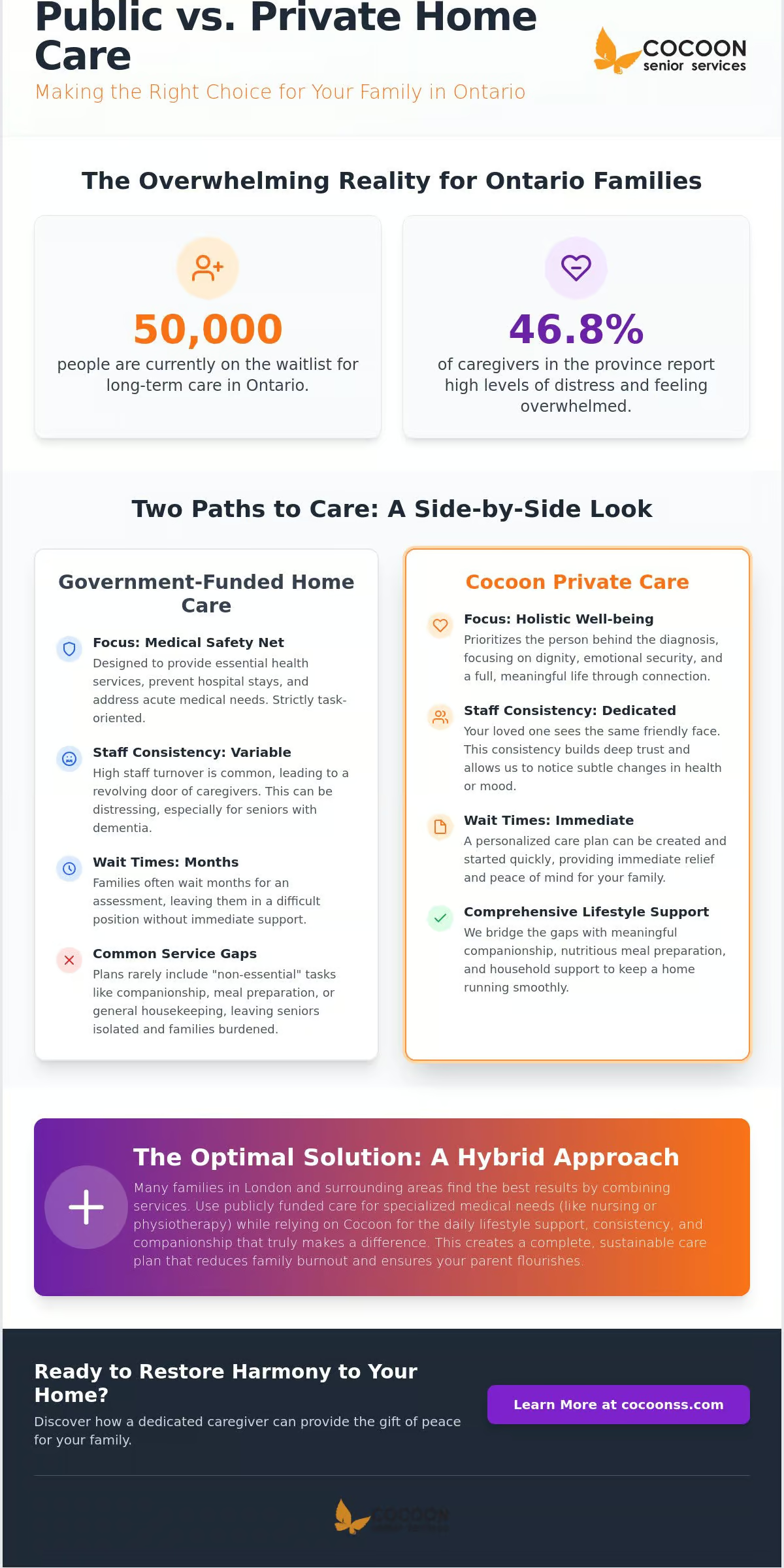
Nearly 50,000 people are currently waiting for long-term care in Ontario, which often leaves families in a difficult position while they wait months for an assessment. This reality forces a thoughtful comparison of government funded home care Ontario vs private, especially when public hours feel insufficient. With 46.8% of caregivers in the province reporting high levels of distress, you’re certainly not alone in feeling overwhelmed. We understand that the inconsistent staffing from public agencies can make an already delicate situation feel even more fragile.
This guide clarifies the differences between public and private options so you can create a plan that brings harmony back to your home. At Cocoon Senior Services, we believe every senior deserves a life of dignity and every adult child deserves the gift of peace. We’ll show you how to combine these services effectively in London and surrounding areas. You’ll learn how to bridge the gap between basic medical needs and the high quality companionship your parent needs to truly flourish.
Key Takeaways
- Navigate the assessment process with Ontario Health atHome to establish a foundational medical safety net for your loved one.
- Evaluate the trade-offs of government funded home care Ontario vs private to determine which combination provides the most reliable support.
- Learn how a dedicated caregiver from Cocoon creates a deep sense of emotional security through familiar faces and meaningful connection.
- Discover practical ways to supplement public hours with personalized meal preparation and household support in London and surrounding areas.
- Create a sustainable care plan that reduces family caregiver burnout while ensuring your parent enjoys a life of dignity and purpose.
Navigating Government-Funded Home Care in Ontario: What to Expect
Public home care in our province is managed by Ontario Health atHome, an organization funded by the Ministry of Health. It serves as a vital starting point for many families in London and surrounding areas. While the provincial government is investing an additional $1.1 billion over three years to bolster these services, the system remains under significant pressure. Eligibility isn’t guaranteed; it’s determined through a professional assessment of medical necessity and physical limitations. It’s a medical safety net designed for those at high risk.
Comparing government funded home care Ontario vs private reveals that public support focuses primarily on safety and survival. Services typically include nursing or physiotherapy for those with acute needs. These visits are often task-oriented and strictly time-capped. This structure often leaves many hours of the day without any support, creating a heavy burden for family members who must step in to fill the silence.
The Assessment Process and Eligibility
A Care Coordinator will visit your home to determine your allotment of hours. Their mandate is to provide what is strictly essential for health and physical safety. This medical focus often overlooks the holistic needs that make a house feel like a home. Many families find the system is geared toward preventing hospital stays rather than supporting the broader landscape of long-term care in Canada. It’s a functional approach that doesn’t always account for emotional well-being.
Common Gaps in Publicly Funded Services
Standard government plans rarely include general housekeeping or meal preparation. These "non-essential" tasks are often the first things to fall behind when a senior’s health declines. At Cocoon, we see these gaps as opportunities to restore peace and order to your daily life. Public funding rarely addresses social isolation. Public workers often have just enough time to complete a medical task before moving to the next appointment. This lack of companionship can leave a parent feeling lonely even if their basic medical needs are technically met.
Comparing Public and Private Home Care: Finding the Right Balance
Choosing between government funded home care Ontario vs private often reveals a significant difference in the daily experience of a senior. Public care acts as a vital resource for medical stability, yet it’s often built on brief, task-focused visits. Private care through Cocoon Senior Services prioritizes the person behind the diagnosis. We focus on building a bridge between essential medical needs and a life that feels full, dignified, and safe. It’s a proactive investment that prevents the small slips or missed meals that often lead to emergency room visits.
A broader Understanding Home Care Services in Ontario helps families see where public support ends and where private partnership begins. While government plans are excellent for nursing, they rarely cover the household support that keeps a home running smoothly. We believe that a clean environment and a nutritious meal are just as important as medical check-ins for maintaining independence.
The Consistency Gap: Why It Matters
Public agencies frequently deal with high staff turnover, which can lead to a revolving door of different caregivers entering a senior’s home. For those living with dementia or Alzheimer’s, this lack of familiarity is often distressing. Cocoon ensures your loved one sees the same friendly face. This consistency builds deep trust and allows our staff to notice subtle changes in health or mood before they become crises. It provides a sense of emotional security that a standardized, task-oriented visit simply cannot match.
Public vs. Private Care Comparison
Many families in London and surrounding areas find that a hybrid model offers the best results. They use government funded home care Ontario vs private by utilizing public funding for specialized medical needs while relying on Cocoon for daily lifestyle support and companionship.
| Feature | Public Home Care | Cocoon Private Care |
|---|---|---|
| Wait Times | Months for assessment | Immediate start possible |
| Staff Consistency | Variable/Assigned | Dedicated caregiver |
| Scope of Work | Medical/Essential tasks | Holistic lifestyle support |
| Personalization | Standardized allotment | Tailored to family needs |
Finding the right balance ensures your parent stays safe without losing the comforts of home. If you’re ready to see how a tailored plan can change your family’s daily life, explore the options at cocoonss.com.
Choosing Personalized Support with Cocoon Senior Services
Cocoon Senior Services understands that home is much more than a physical structure. It’s a place where memories reside and comfort is found in the familiar. While the choice between government funded home care Ontario vs private often centers on hours and assessments, the real distinction lies in the depth of the relationship. We don’t just provide a checklist of tasks. We offer a presence that respects the individual’s history and preferences. Our caregivers are selected for their warmth and professional expertise, ensuring every interaction feels natural and dignified.
Families in London and surrounding areas often reach a point where public support feels too clinical or spread too thin. You might have the medical visits covered, but the house feels quiet and the fridge is empty. This is where Cocoon makes a difference. We create a plan that fits the specific contours of your family’s life, moving beyond the limitations of a public agency. We ensure your loved one isn’t just "cared for" in a medical sense, but truly supported in their daily joy and independence.
Our Core Services for London and Surrounding Areas
We provide a suite of services designed to keep your loved one safe and deeply engaged with life. This includes personal care, palliative support, and post-surgery recovery assistance. Our team excels at meal preparation and medication reminders, which are essential pillars for safe aging at home. For a deeper look at how we approach these needs with heart, read our Senior Home Care Services in London, Ontario guide.
Practical Tips for Families Transitioning to Home Care
Moving from total independence to accepting help can feel daunting for any senior. These steps can help bridge the gap:
-
Build trust slowly. Start with a few hours of companionship each week. This allows your parent to get to know their caregiver before moving to more intensive personal care.
-
Maximize your resources. A hybrid model is often the most effective. Use your government funded home care Ontario vs private comparison to your advantage by using public funding for medical nursing and Cocoon for lifestyle safety and companionship.
-
Stay informed. Knowledge reduces the stress of caregiving. You can find expert advice on senior wellness and dementia care by visiting Cocoon Senior Services on YouTube.
Creating a Path Toward Lasting Peace and Security
Understanding the nuances of government funded home care Ontario vs private allows you to build a support system that truly honors your parent’s legacy. Public care provides the essential medical foundation. Private partnership ensures the home remains a place of warmth, nutrition, and genuine connection. By choosing a hybrid approach, you bridge the gap between basic survival and a life of dignity. You deserve the peace of mind that comes from knowing a professional is watching over the small details that make life beautiful.
At Cocoon Senior Services, we bring specialized expertise to families in London and surrounding areas. Our team includes certified dementia and Alzheimer’s care professionals who understand the delicate nature of memory loss. As a locally owned and operated business, we prioritize the individual stories of our clients. We offer comprehensive, non-medical support tailored specifically to your family’s needs. You don’t have to carry the weight of caregiving alone. We’re here to help you restore the balance and focus on being a daughter or son again.
Ready to provide your loved one with the consistent, warm care they deserve? Contact Cocoon Senior Services for a personalized consultation today. We look forward to helping your family thrive.
Frequently Asked Questions
Is home care free for seniors in Ontario?
Publicly funded home care is free for seniors who qualify through an assessment by Ontario Health atHome. These services are covered by the Ministry of Health to support those with essential medical needs or physical limitations. While this provides a helpful foundation for safety, it doesn’t always cover the lifestyle-oriented support, like meal preparation or consistent companionship, that makes a home feel truly comfortable.
How many hours of home care does the Ontario government provide?
The government provides hours based on a professional assessment of your medical necessity and safety risks. Often, this results in only a few hours of support each week, which can leave families feeling overwhelmed during the many hours left unsupported. When evaluating government funded home care Ontario vs private, many find that private care is necessary to ensure a loved one is socially engaged and safe every single day.
Can I hire a private caregiver if I already have government-funded care?
You can definitely hire a private caregiver to work alongside your government-funded services. Many families in London and surrounding areas use this hybrid model, blending government funded home care Ontario vs private options to ensure their loved one is never lonely. In Ontario, private services can be exempt from the 13% HST if they’re provided alongside government-subsidized care, making it a practical way to enhance your parent’s quality of life.
What is the difference between home care and community care in Ontario?
Home care refers to services provided within your own residence, such as personal support, medication reminders, or post-surgery assistance. Community care includes external resources like transportation, meal programs, or adult day centers. Cocoon focuses on the home as a place of peace and dignity, providing the household support and companionship that allow seniors to age with independence in their most cherished environment.
Disclaimer
We aim to provide helpful guidance for seniors and families, but this content should not replace professional medical advice. Some links may be affiliate links, and we are not responsible for third-party content.