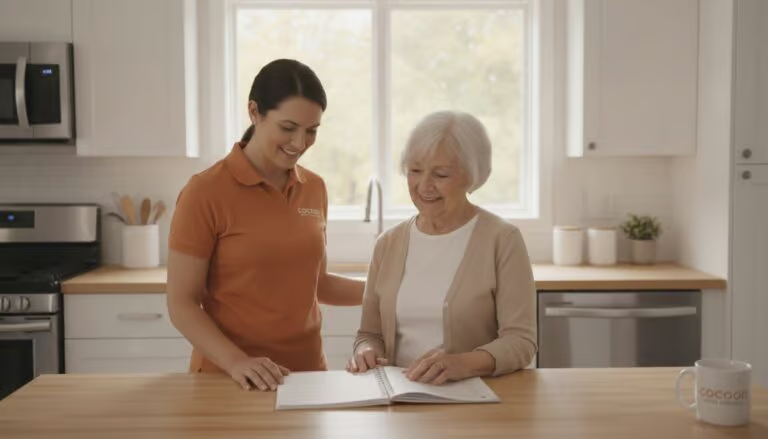

Calming Sensory Tools for Dementia: London ON Guide
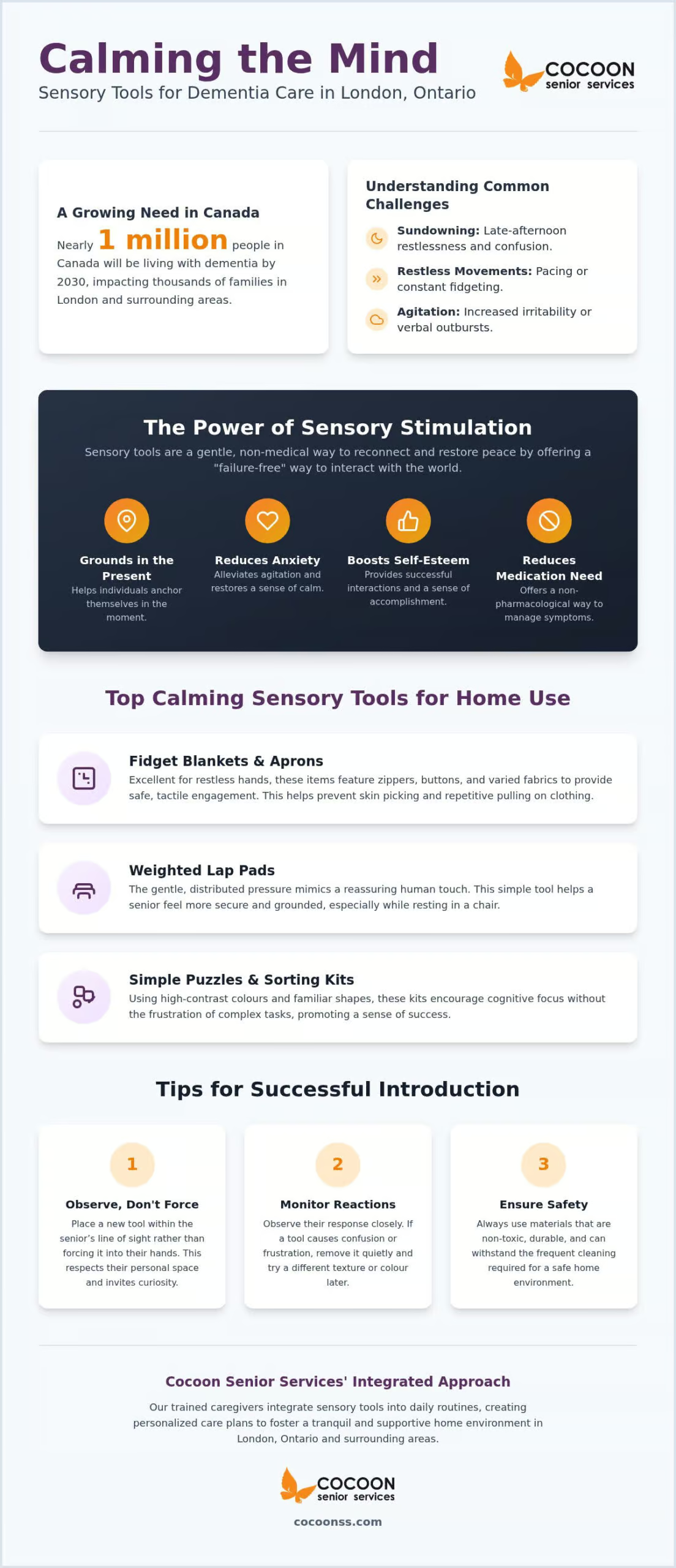
Nearly 1 million people in Canada will live with dementia by 2030. This statistic represents thousands of families in London, Ontario and surrounding areas searching for ways to reconnect, often turning to calming sensory tools for seniors with dementia to find peace. You likely know the weight of watching a loved one pace, feeling unable to offer the right comfort. It is a path where you realize the need for a more natural, gentle way to communicate without relying solely on medication.
Cocoon Senior Services understands that the right environment can transform a restless afternoon into a period of soft, focused calm. In this article, you will discover how specific sensory aids can alleviate agitation and restore dignity. We will explore how textures and visual cues provide a necessary anchor for the mind. These thoughtful interventions help create a quieter, more harmonious life at home.
Key Takeaways
- Understand how sensory engagement helps manage “sundowning” and restless movements for seniors in London and surrounding areas.
- Identify effective calming sensory tools for seniors with dementia, including fidget blankets designed to satisfy the need for tactile exploration.
- Learn how the gentle pressure of weighted lap pads can increase feelings of security and reduce anxiety during periods of restlessness.
- See how Cocoon Senior Services uses professional companionship to effectively introduce and monitor sensory redirection for better daily outcomes.
The Role of Sensory Stimulation in Dementia Care
Sensory tools are more than simple objects. They’re thoughtfully designed items that engage the senses of touch, sight, or sound to help individuals ground themselves in the present moment. In London, Ontario and surrounding areas, caregivers often use these tools to manage “sundowning” symptoms. This period of late-afternoon restlessness often leads to pacing or agitation. By providing calming sensory tools for seniors with dementia, we offer a failure-free way for them to interact with their world. This success boosts self-esteem and reduces the reliance on pharmacological interventions.
Sensory stimulation therapy has long been recognized for its ability to improve mood and cognitive function in aging adults. It offers a path to connection when traditional communication becomes difficult. These tools aren’t just toys; they’re essential bridges to tranquility.
Why Touch and Texture Matter Most
Tactile stimulation is powerful because it bypasses cognitive barriers and reaches the emotional centre of the brain directly. This provides immediate comfort. To keep the mind engaged, it helps to use materials with varied textures:
- Soft fleece for warmth and softness
- Smooth, polished wood for a solid, natural feel
- Textured silicone for interesting tactile feedback
Cocoon professionals use sensory grounding as a specific technique to redirect agitated behaviour by focusing the senior’s attention on these physical sensations. Using calming sensory tools for seniors with dementia helps bridge the gap when words are no longer enough. It creates a moment of peace for both the senior and the caregiver.
Top Calming Sensory Tools for Use at Home
Choosing the right calming sensory tools for seniors with dementia requires understanding their specific daily needs. Fidget blankets and aprons are excellent for those who experience restless hands or constant fidgeting. These textiles feature zippers, buttons, and various fabrics that provide tactile engagement. This activity helps prevent skin picking and repetitive pulling on clothing. According to research on sensory stimulation in dementia care, these non-medical interventions provide meaningful engagement that significantly reduces anxiety.
Weighted lap pads offer another layer of physical comfort. The gentle, distributed pressure mimics a reassuring touch. This helps a senior feel more secure and grounded while resting in a chair or during transport. For cognitive focus, simple puzzles or sorting kits with high-contrast colours and familiar shapes work best. They encourage success without the frustration of complex tasks. If you’re unsure which items might benefit your loved one, Cocoon Senior Services can help you select the most appropriate tools for their specific stage of care.
Tips for Introducing New Tools Successfully
Introduction is everything. Place a new tool within the senior’s line of sight instead of forcing it into their hands. This approach respects their personal space and avoids a defensive response. Observe their reaction closely. If a tool causes confusion or frustration, remove it quietly. You can always try a different texture or colour at a later time. Always ensure materials are non-toxic and durable. High-quality items can withstand frequent use and the necessary cleaning required for a safe home environment in London, Ontario.
Integrating Sensory Support with Cocoon Senior Services
Professional care involves more than just observation. At Cocoon Senior Services, our caregivers are trained to recognize the subtle shifts in mood when a senior in London and surrounding areas needs sensory redirection. We don’t simply provide an object; we facilitate a connection. By incorporating calming sensory tools for seniors with dementia into our companionship and personal care routines, we help create a more tranquil environment for your loved one. This intentional use of sensory aids allows for moments of quiet focus that might otherwise be lost to restlessness.
Our holistic approach ensures that sensory engagement is woven into a broader care plan. Whether we’re assisting with meal preparation or providing medication reminders, we’re always looking for opportunities to ground the senior in their surroundings. This continuity of care helps reduce anxiety. It ensures that every interaction feels supportive and purposeful rather than clinical or rushed. Agitation often starts with small gestures. Our team knows how to respond before those gestures turn into distress.
Personalized Care in London and Surrounding Areas
Every senior is unique. We take the time to assess individual preferences to find the specific scents or textures that bring them the most joy. Some may respond to the cool touch of smooth stone, while others prefer the warmth of a soft knit. We work closely with families to organize the home environment so that calming sensory tools for seniors with dementia are always within reach during difficult times of the day. For a deeper look at how we approach specialized dementia care, visit the Cocoon YouTube channel. Our goal is to ensure your loved one feels safe and understood in the comfort of their own home.
Embracing Tranquility in Dementia Care
Introducing calming sensory tools for seniors with dementia into the home is a gentle, non-medical way to restore peace and focus. Success matters. From the grounding weight of a lap pad to the tactile exploration of a fidget blanket, these items offer immediate comfort. At Cocoon Senior Services, our certified dementia and Alzheimer’s care professionals bring specialized expertise to families in London, Ontario and surrounding areas. We focus on personalized, non-medical support that respects each individual’s unique needs. By organizing the environment and using these tools with intention, we help you and your loved one find harmony in the daily routine. Learn more about our specialized dementia care in London, Ontario. You don’t have to manage this journey alone; a quieter, more connected life is possible.
Frequently Asked Questions
Are sensory tools appropriate for all stages of dementia?
Sensory tools provide value across every stage of the condition. In the early stages, high-contrast puzzles or sorting kits help maintain cognitive focus. As the condition progresses, the focus shifts toward simpler tactile items like soft fabrics or weighted pads. These tools offer a sense of security even when verbal communication or complex task-solving is no longer possible for your loved one.
Can sensory tools help reduce sundowning symptoms in seniors?
These tools are highly effective for managing the late-afternoon restlessness known as sundowning. Introducing calming sensory tools for seniors with dementia during this transition period helps redirect anxious energy into a purposeful activity. A weighted lap pad or a textured fidget blanket provides the physical grounding necessary to lower stress levels and foster a quieter atmosphere as the day ends in your home.
How do I know if a sensory tool is causing more stress than calm?
Observation is your best guide for determining a tool’s effectiveness. If a senior begins to frown, pushes the item away, or shows increased vocalization, the tool may be overstimulating or confusing. It’s best to remove the object immediately without making it a point of conflict. You can introduce a simpler texture or a different colour once they have returned to a calm state later.
What are the best sensory tools for a senior who is non-verbal?
Tactile and auditory tools work best for non-verbal seniors because they communicate through emotion rather than language. Soft, plush materials or smooth wooden objects provide immediate sensory feedback. Music or nature sounds can also evoke positive memories. At Cocoon Senior Services, we often find that calming sensory tools for seniors with dementia that prioritize touch help bridge the communication gap, offering comfort without words.
Disclaimer
We aim to provide helpful guidance for seniors and families, but this content should not replace professional medical advice. Some links may be affiliate links, and we are not responsible for third-party content.