

Connecting with Seniors: Tips for London Care Visits
A successful care visit isn’t measured by the tasks completed, but by the quiet moments of connection shared between two people. When you step into a home in London, Ontario, the goal is to create an environment where time slows down and the individual feels truly valued. Connecting with our elderly clients during visits is more than a professional requirement; it’s an opportunity to honour a lifetime of stories and experiences. We understand that many families feel the weight of awkward silences or the struggle to reach a loved one living with dementia. It’s common to worry that your time together has become a series of boxes to check rather than a meaningful, heart-to-heart exchange.
You’re not alone in wanting more for your loved one. This article shares professional strategies for fostering genuine emotional bonds and deep engagement during home care visits. We’ll explore how to bridge communication gaps, reduce the chill of isolation, and ensure every senior feels seen and respected. By focusing on small, intentional details and the beauty of the present moment, you can transform a standard routine into a source of comfort and lasting joy.
Key Takeaways
- Master the art of intentional communication and eye-level presence to help seniors realize a deeper sense of emotional safety.
- Learn to identify activities that honour a senior’s personal history, turning routine visits into opportunities for shared purpose and accomplishment.
- Discover the professional strategies used for connecting with our elderly clients during visits in London, Ontario and surrounding areas to ensure they feel truly seen.
- Understand how Cocoon Senior Services matches clients with caregivers based on shared interests and temperaments to foster genuine, lasting emotional bonds.
Establishing Trust Through Intentional Communication
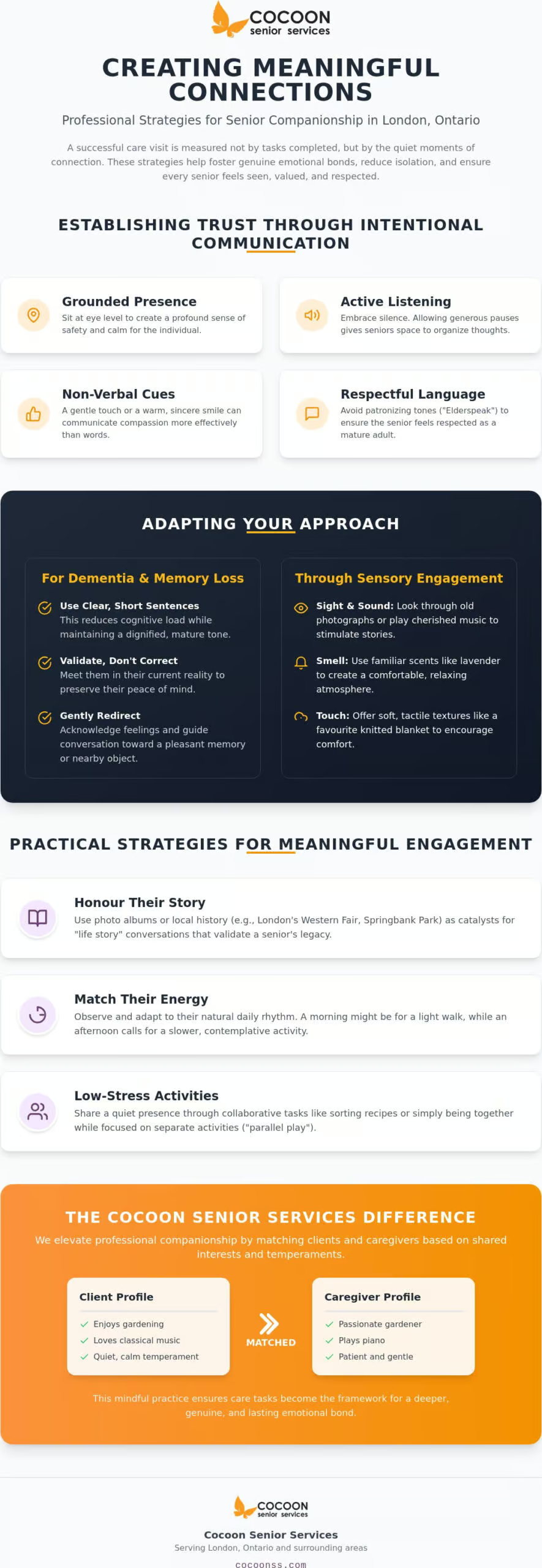
Intentional communication serves as the essential bridge between basic care tasks and true emotional security. It transforms a routine check-in into a moment of genuine human connection. By prioritizing eye level and a grounded physical presence, caregivers help seniors realize a profound sense of safety within their own homes. This approach is fundamental when connecting with our elderly clients during visits in London, Ontario and surrounding areas. It ensures the environment remains calm and focused on the individual’s needs.
Active listening requires more than just hearing words; it involves embracing the silence. Allowing generous pauses gives a senior the space they need to organize their thoughts without feeling rushed or pressured. Non-verbal cues often speak louder than any sentence. A gentle touch on the hand or a warm, sincere smile can communicate compassion more effectively than a long explanation. Understanding Elderspeak is vital here, as avoiding patronizing tones ensures the senior feels respected as a mature adult.
To better understand this concept, watch this helpful video:

Adapting Communication for Dementia and Memory Loss
Clear, short sentences reduce cognitive load while maintaining a dignified, mature tone. Validation therapy is a cornerstone of this practice. Instead of correcting a client who may be confused, we meet them in their current reality to preserve their peace of mind. Gently acknowledge the feeling behind a repetitive question before guiding the conversation toward a familiar, pleasant memory or a nearby object of interest.
The Role of Sensory Engagement in Building Rapport
Engaging the senses creates a rich environment for memory and conversation. Sight and sound play equally important roles; playing a cherished piece of music or looking through old photographs often stimulates stories that might otherwise remain untold. Using familiar scents like lavender or soft, tactile textures like a favourite knitted blanket creates a comfortable atmosphere that encourages the senior to relax during the visit. These sensory details make connecting with our elderly clients during visits feel like a curated experience rather than a clinical appointment.
Practical Strategies for Meaningful Engagement
Meaningful engagement isn’t about filling every minute with noise. It’s about finding the thread that connects a person to their sense of self. When connecting with our elderly clients during visits, we prioritize activities that honour their unique life stories. This might mean discussing the vibrant history of London, Ontario, such as early memories of the Western Fair or quiet afternoons spent at Springbank Park. These local references act as anchors, grounding the conversation in a shared sense of community and belonging.
Energy levels naturally fluctuate throughout the day. A morning visit might involve a light walk near the Thames River, while an afternoon session might call for a slower, more contemplative approach. By observing these shifts, we ensure the senior never feels overwhelmed. This maintains a state of peaceful connection rather than a feeling of performance.
Reminiscence as a Tool for Connection
Photo albums and digital archives are more than just collections of images. They’re catalysts for “life story” conversations that validate a senior’s legacy. Instead of asking “Do you remember this?”, try open-ended questions like, “What was your favourite part of this day?” This encourages a richer narrative flow. To understand how these social supports fit into a broader care plan, you can learn more about What is Companionship Care? through our detailed guides.
Low-Stress Activities for Daily Visits
Engagement doesn’t always require constant conversation. Collaborative tasks, such as sorting through old family recipes or listening to a beloved musical artist, provide a sense of accomplishment. Sometimes, the most profound connection happens through “parallel play.” This involves being together in the same room while focused on separate, quiet tasks. It removes the pressure to speak, allowing for a shared presence that feels natural. This quiet presence is a powerful way of connecting with our elderly clients during visits without the need for constant dialogue. If you’re looking for professional support to facilitate these moments, Cocoon Senior Services offers personalized companionship tailored to each individual’s rhythm.
How Cocoon Senior Services Elevates Professional Companionship
Professional companionship at Cocoon Senior Services is a mindful practice. We believe that care tasks are simply the framework for a deeper human connection. Our caregivers look beyond physical requirements to see the spirit of the individual. Connecting with our elderly clients during visits involves recognizing their personality and respecting their unique life rhythm. We realize that a successful care relationship depends on chemistry. It’s about finding the right person to share the afternoon with.
We match clients with caregivers who share similar temperaments or hobbies. This might be a shared love for gardening or a common interest in London’s local heritage. These connections turn a visit into a meaningful event. Our personalized care plans in London, Ontario and surrounding areas are designed to protect emotional health as much as physical safety. This commitment to consistency provides a foundation of trust that families can rely on every day. It ensures that the senior feels valued and understood, rather than just managed.
A Sophisticated Approach to Senior Support
We maintain high professional standards to ensure every visit is dignified and intentional. Traditional government-funded care in Ontario often lacks the time to foster deep social bonds. Cocoon fills this gap by prioritizing presence over productivity. We provide the slow, focused attention that seniors deserve. For a deeper look at how we support families, see our article on Senior Home Care Services in London, Ontario. Connecting with our elderly clients during visits is the heartbeat of our service, ensuring that no senior in our community feels like a number.
Transforming Every Visit into a Lasting Connection
True companionship is an art that balances professional skill with a heartfelt presence. By focusing on intentional communication and activities that honour a senior’s personal history, you create a space where emotional health can flourish. Connecting with our elderly clients during visits is at the core of what we do, ensuring that every interaction in London, Ontario and surrounding areas is dignified and purposeful. These small, thoughtful shifts in approach help reduce isolation and replace it with a sense of belonging.
Cocoon Senior Services is locally owned and operated, offering a level of care that prioritizes the human spirit. Our certified dementia and Alzheimer’s care expertise ensures that your family receives specialized support tailored to your unique needs. We provide personalized companionship that goes beyond basic housekeeping, focusing on the deep emotional bonds that make life rich. Discover how Cocoon Senior Services can support your family in London, Ontario. Every visit is a new opportunity to bring peace and joy into a loved one’s day.
Frequently Asked Questions
How can I encourage a senior who is reluctant to engage during a visit?
Focus on shared presence rather than forcing a conversation. Sometimes, simply sitting together while listening to soft music or looking at a garden can lower defences. Connecting with our elderly clients during visits often starts with these quiet moments. If reluctance continues, try introducing a tactile activity, like folding warm laundry or sorting a box of old buttons, to provide a low-pressure way to interact without the stress of performance.
What are some good conversation starters for seniors in London, Ontario?
Ask about their memories of local landmarks like the Covent Garden Market or the old downtown department stores. Local history often triggers vivid recollections that help a senior feel connected to their community. You might ask, “Did you ever attend the Western Fair as a child?” or “What was your favourite park to visit in London and surrounding areas?” These specific questions encourage storytelling over simple one-word answers.
How do Cocoon caregivers handle difficult or emotional visits?
Our caregivers use validation therapy to meet the individual in their current emotional state without judgement or correction. We understand that some days are heavier than others, especially for those living with dementia. By maintaining a calm, professional presence and matching the client’s temperament, Cocoon Senior Services ensures that emotional outbursts are handled with grace. We prioritize emotional safety, allowing the senior to express themselves while we provide a steady, supportive anchor.
Is it better to have short, frequent visits or longer, occasional ones?
Short, frequent visits are typically more effective for building trust and reducing the impact of isolation. Consistency helps seniors realize a sense of routine, which is vital for those with memory loss. Longer visits are wonderful for deep engagement, but regular check-ins ensure that connecting with our elderly clients during visits remains a natural part of their weekly rhythm. This frequent contact allows caregivers to notice small changes in health or mood more quickly.
Disclaimer
We aim to provide helpful guidance for seniors and families, but this content should not replace professional medical advice. Some links may be affiliate links, and we are not responsible for third-party content.